English
 中文简体

Author: HUIRUI
Date: Nov 09, 2026
30 x 72 Inches Explained: Table Size, Seating Capacity and Practical Use
Content
When someone asks “how big is 30 x 72,” the first thing to pin down is the unit. In furniture, event planning, and DIY measurements, 30 x 72 almost always means 30 inches by 72 inches. That is a familiar rectangular tabletop size: 2.5 feet wide and 6 feet long. If you are working in centimeters, the same surface is about 76.2 cm by 182.9 cm. If the numbers are centimeters instead, the item is much smaller—roughly 11.8 by 28.3 inches—so it helps to confirm the unit before you order, build, or rent.
For a quick mental picture, think of a standard six-foot banquet table. It is long enough for a row of place settings, a buffet line, or a market display, but narrow enough to fit through most doorways when folded. That combination is why the 30 x 72 size shows up so often in folding furniture.
30 x 72 Inches in Feet, Centimeters, and Square Area
A 30 x 72 inch surface covers 2,160 square inches. That equals 15 square feet, or about 1.39 square meters. The perimeter is 204 inches, or 17 feet, which is useful when you are estimating table skirts, edging, or decorative runners.
- Width: 30 inches = 2.5 feet = 76.2 centimeters
- Length: 72 inches = 6 feet = 182.9 centimeters
- Area: 2,160 square inches = 15 square feet = about 1.39 square meters
- Typical use: a six-foot rectangular folding table, banquet table, or display table
| Measurement | In inches | In feet | In centimeters | Practical meaning |
|---|---|---|---|---|
| Width | 30 | 2.5 | 76.2 | Narrow enough for single-sided seating |
| Length | 72 | 6 | 182.9 | Room for 3 to 4 settings per side |
| Area | 2,160 sq in | 15 sq ft | 1.39 m² | Useful serving or display space |
These numbers matter because a table can be “six feet long” and still feel different depending on width. A 30-inch width is generous enough for plates, glasses, and a serving dish, but it is not as deep as a formal dining table. That is usually an advantage in temporary setups, where you want easy reach from both sides.
What a 30 x 72 Inch Table Looks Like in Practice
In everyday use, a 30 x 72 inch table looks like a long rectangle. It can hold three place settings along each long side with room to spare, or four smaller settings per side if you are using narrow plates and compact chairs. The ends are usually left open for serving, storage, or walkway clearance, though they can seat one person each in a pinch.
The proportions also work well for folding furniture. A table this size can be built with a center fold, a folding leg system, or a double-sided top that opens for extra surface area. For buyers comparing formats, our folding plastic tables overview is a practical place to check how length, width, and folding style affect storage.
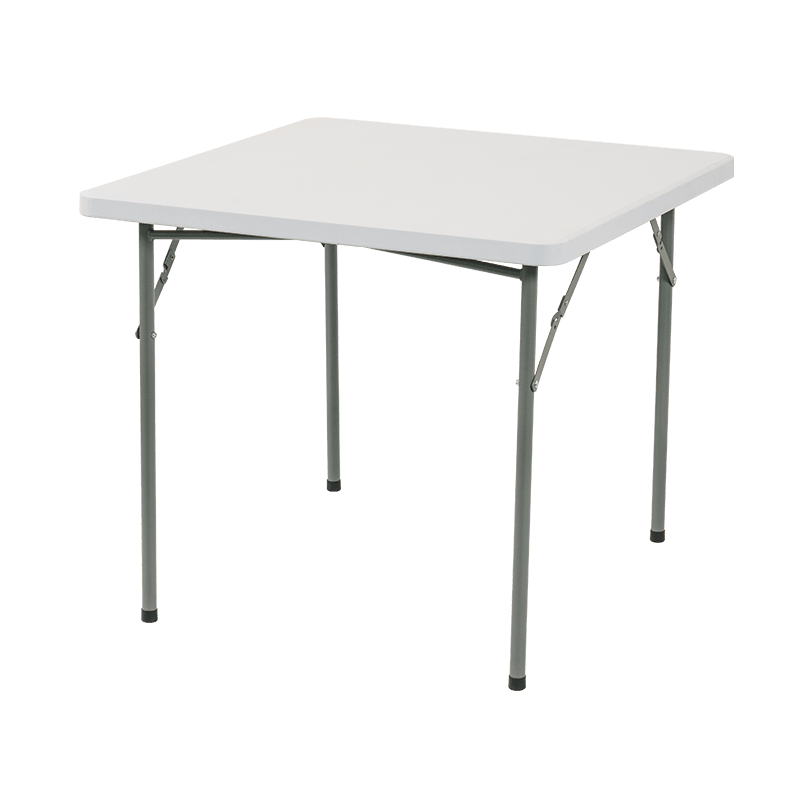
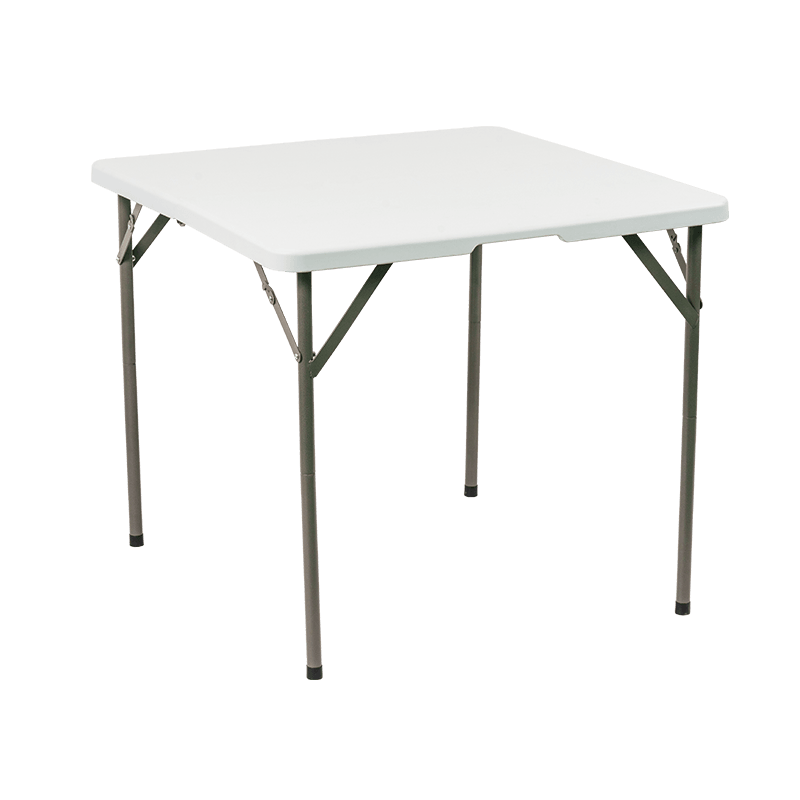
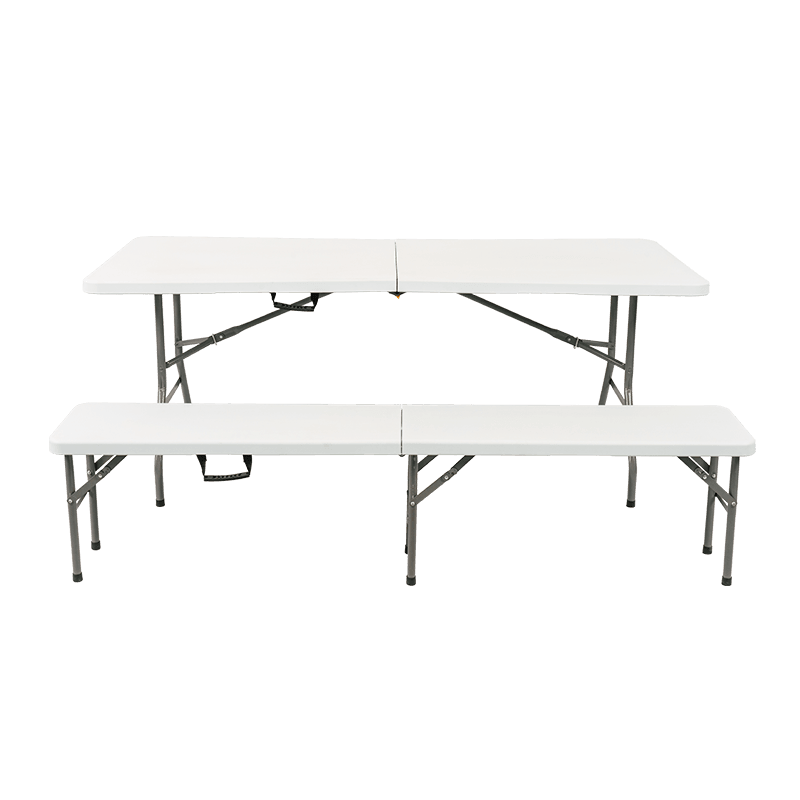 180 cm Double-Sided Plastic Rectangular Folding Dining TableA six-foot-style folding table with two finished faces, seating 6–8 and folding flat for storage or events.View Product →
A 180 cm rectangular table is about 70.9 inches long, so it lands very close to the familiar 72-inch size. That makes it a useful reference if you are planning a six-foot layout but want the flexibility of a double-sided plastic top.
How Many People Fit Around a 30 x 72 Inch Table?
For comfortable dining, plan on six to eight adults. Six people get a roomy 24 inches of table edge each along the long sides, while eight people fit with about 18 inches per person if you use the ends or squeeze in. For a more relaxed event setup, six people is the safer number; for buffet-style gatherings or casual parties, eight is workable.
Seating capacity also depends on chair width. Standard folding chairs are usually 17 to 19 inches wide, while armchairs take more space. If you use stackable chairs, you can keep spare seating nearby without turning the table into a tight fit. Our stackable event chairs are designed for that kind of flexible overflow seating.
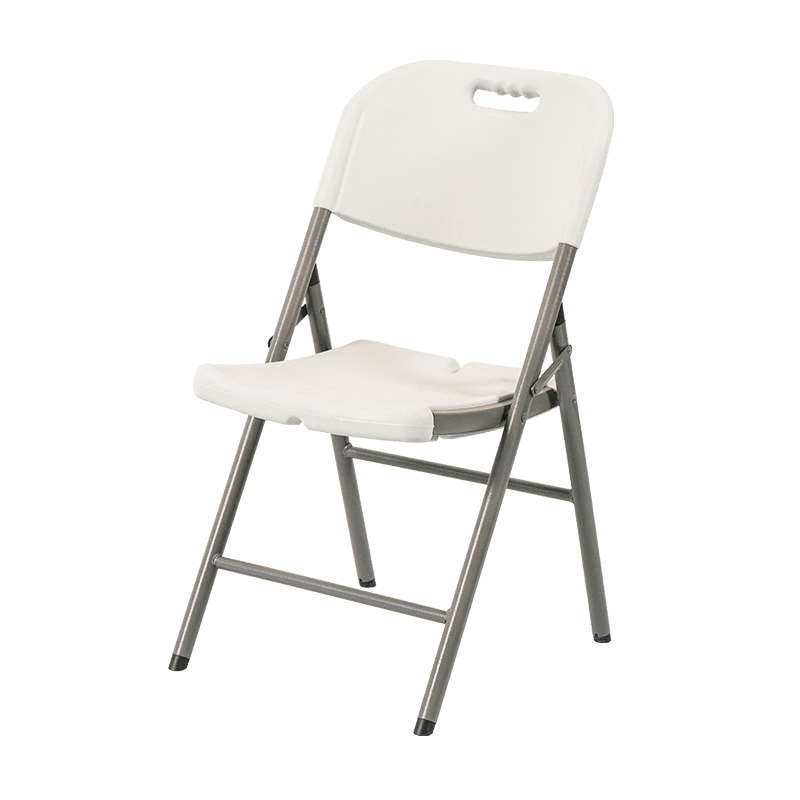
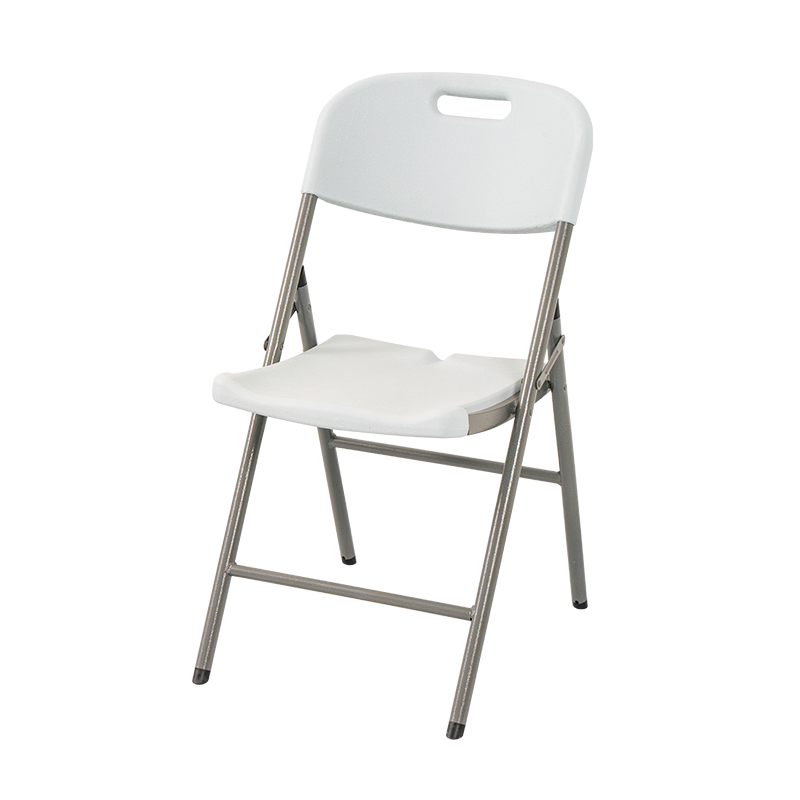
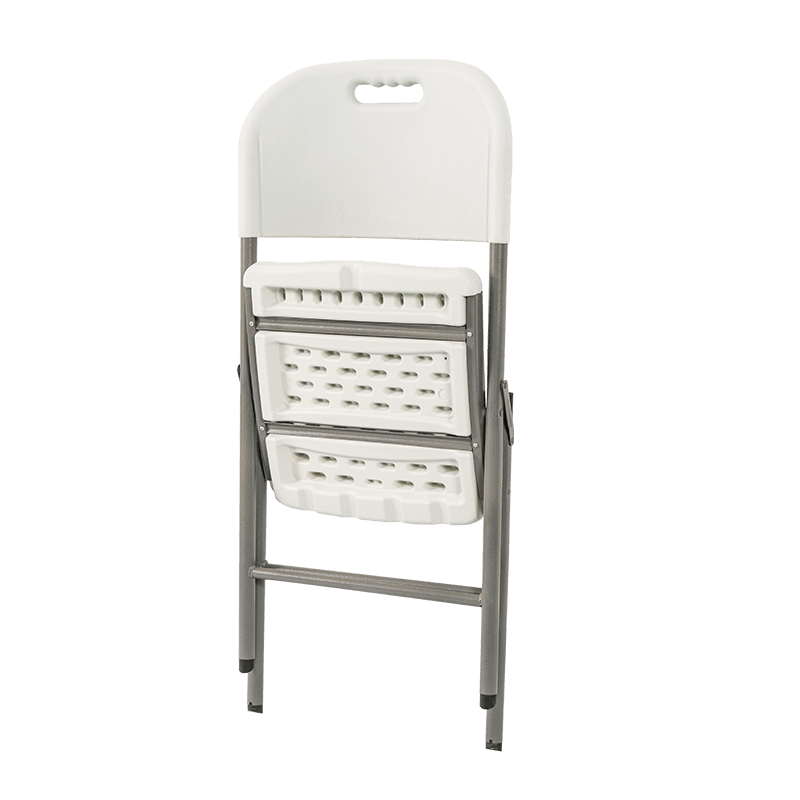 White Plastic Stackable Folding Chair for EventsA UV-stabilised stackable chair for flexible event seating, with a curved seat, tilted backrest and compact nested storage.View Product →
A simple rule is to allow 24 inches of table edge per adult for dining and 18 to 20 inches for casual seating. On a 72-inch table, that means three adults per long side at a comfortable spacing, or four per side for a compact event layout.
Seating, Serving, and Walking Space
The tabletop is only part of the footprint. If people sit on both long sides, allow about 36 inches behind each chair for pushing back and walking. That turns a 30 x 72 inch table into a practical room footprint closer to 8.5 feet by 12 feet when fully seated. In a tight room, leave one long side against a wall or use benches so people can slide in from the ends.
For serving, keep at least 24 inches of clear space at one end for a buffet line or drink station. A 30-inch width gives you enough depth for chafing dishes, but not so much that guests have to reach far. If the table is also a display surface, group items in shallow trays so the back row stays visible.
30 x 72 vs Other Common Table Sizes
- 30 x 60 inches: Five feet long, seats four to six. Easier in small rooms but less generous for buffets.
- 30 x 72 inches: Six feet long, seats six to eight. A strong balance of capacity and portability.
- 30 x 96 inches: Eight feet long, seats eight to ten. Better for long banquet rows but harder to move and store.
- 36 x 72 inches: Same length, wider top. More serving depth, but it takes up more floor space and can be harder to reach across.
The 30 x 72 size is often the sweet spot for homes, clubs, cafes, and event rentals because it offers six feet of usable length without becoming a two-person lift. In plastic folding furniture, that balance is especially useful for seasonal patios and pop-up dining areas.
What to Check Before Buying or Renting a 30 x 72 Table
- Confirm the unit. A 30 x 72 inch table is much larger than a 30 x 72 cm tray or side table.
- Measure the storage gap. Folded tables still need length, depth, and height clearance.
- Check the weight rating. A long table needs a sturdy frame and leg locks, especially outdoors.
- Plan chair placement. Allow 24 inches per diner and extra room behind chairs.
- Match the surface to the use. For outdoor events, choose water-resistant, easy-clean plastic and UV-stable materials.
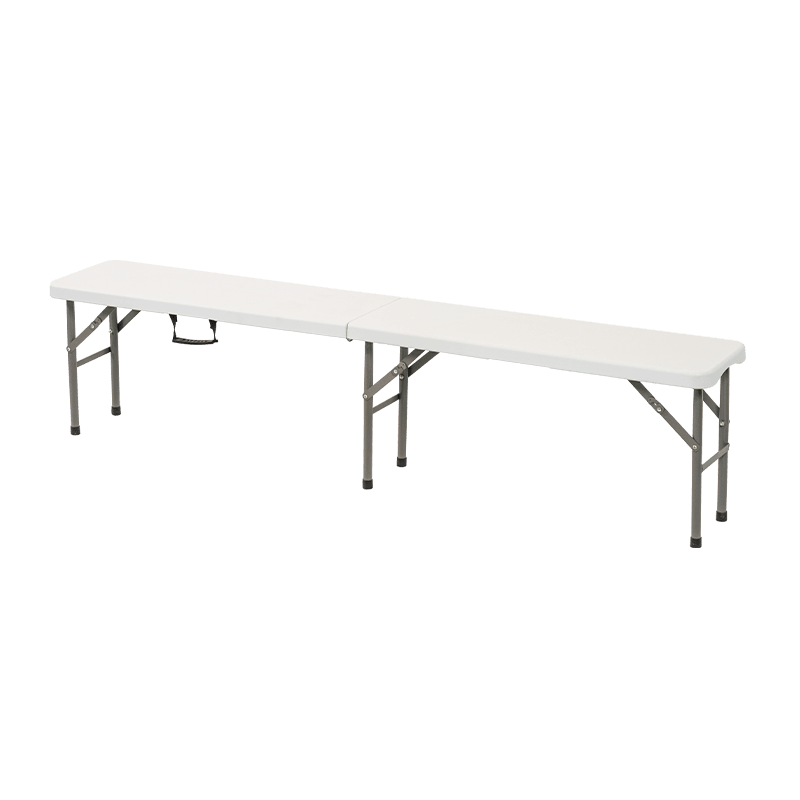
If you expect bench-style seating, a long folding bench can be more practical than several chairs. Our 180 cm portable party folding bench pairs naturally with a six-foot table layout and stores flat when the event is over.
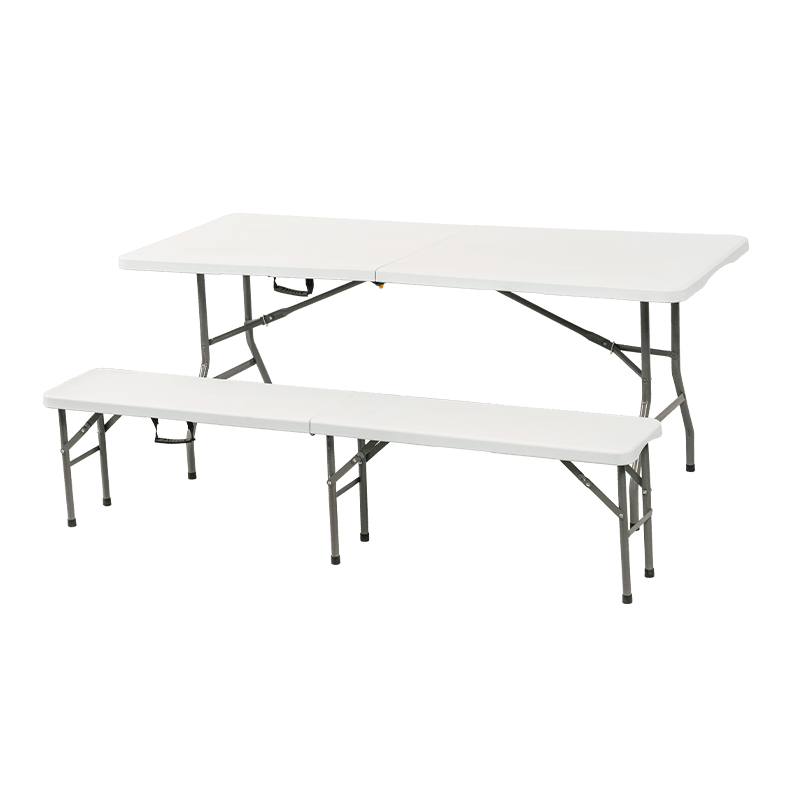 180 cm Portable Party Folding BenchA six-seat folding bench with a steel frame and HDPE seat, suited to long table layouts and flat storage between events.View Product →
For commercial buyers, it is also worth asking how the table behaves in repeated setup and takedown. Look for reinforced hinges, smooth folding action, and feet that protect indoor floors. Those details matter more than a long list of features when the table is used week after week.
So, how big is 30 x 72? In inches, it is 2.5 feet by 6 feet—about 76 by 183 centimeters, with 15 square feet of surface area. That is large enough for six to eight diners, a generous buffet, or a well-organized display, yet compact enough to fold, store, and move. Once you know the unit and the seating plan, the size becomes easy to picture and easier to buy with confidence.
Featured Products Showcase