English
 中文简体
中文简体
Author: HUIRUI
Date: Mar 04, 2026
Plastic Folding Table Guide: Types, Sizes & How to Choose
Content
- 1 Types of Plastic Folding Tables by Shape
- 2 Standard Sizes and Seating Capacity Reference
- 3 Construction Quality Grades: Light Duty vs. Commercial
- 4 Tabletop Material: HDPE vs. Polypropylene vs. ABS
- 5 Leg Frame Materials and Locking Mechanisms
- 6 Weight Capacity: Understanding Static vs. Dynamic Ratings
- 7 Height Options: Standard, Bar, and Adjustable
- 8 Choosing the Right Plastic Folding Table for Your Use Case
- 9 Setup, Storage, and Transport Tips
- 10 Cleaning and Maintenance to Extend Table Life
Plastic folding tables are portable, lightweight, easy-to-clean work and event surfaces built from high-density polyethylene (HDPE) or polypropylene tabletops mounted on steel or aluminum folding leg frames. They are the go-to solution for temporary setups at parties, outdoor events, trade shows, schools, and commercial banquet facilities because they store flat, set up in seconds, and withstand years of heavy use. A standard 6-foot rectangular folding table weighs 15–25 lbs, supports 300–750 lbs of static load depending on construction grade, and costs between $30 and $200. This guide covers every key decision point—from size and shape selection to material grades, weight ratings, and maintenance—so you can choose and use the right table for your application.
Types of Plastic Folding Tables by Shape
Shape is the first decision to make when selecting a folding table because it determines seating capacity, space efficiency, and suitability for different event formats.
Rectangular Folding Tables
The most widely used format. Rectangular tables maximize seating along both long sides and work efficiently in rows or classroom configurations. Standard widths are 24 inches (narrow/utility) and 30 inches (banquet/standard). The 30-inch width comfortably seats people on both sides without crowding. Common lengths are 4 ft (seats 4), 6 ft (seats 6–8), and 8 ft (seats 8–10). Rectangular tables are the default choice for banquets, buffets, vendor tables, and classroom setups.
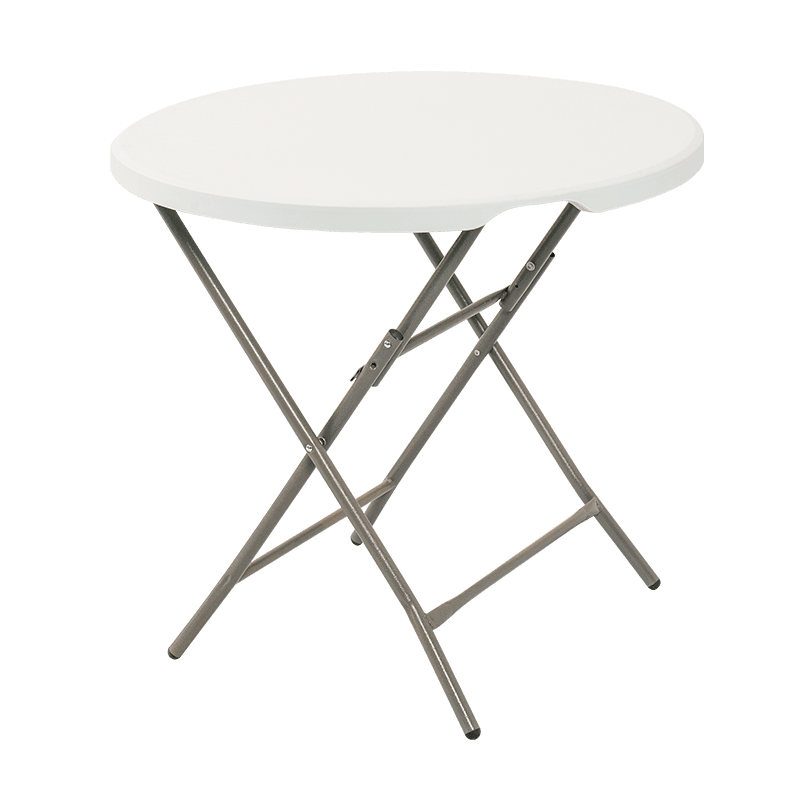
Round Folding Tables
Round tables promote conversation by placing all guests equidistant from the center. They are standard for wedding receptions, gala dinners, and formal events. Common diameters are 48 inches (seats 4–6), 60 inches (seats 6–8), and 72 inches (seats 8–10). A 60-inch round is the most popular event table size globally. Round tables require more floor space per guest than rectangular formats but create a more intimate, formal seating arrangement.
Square Folding Tables
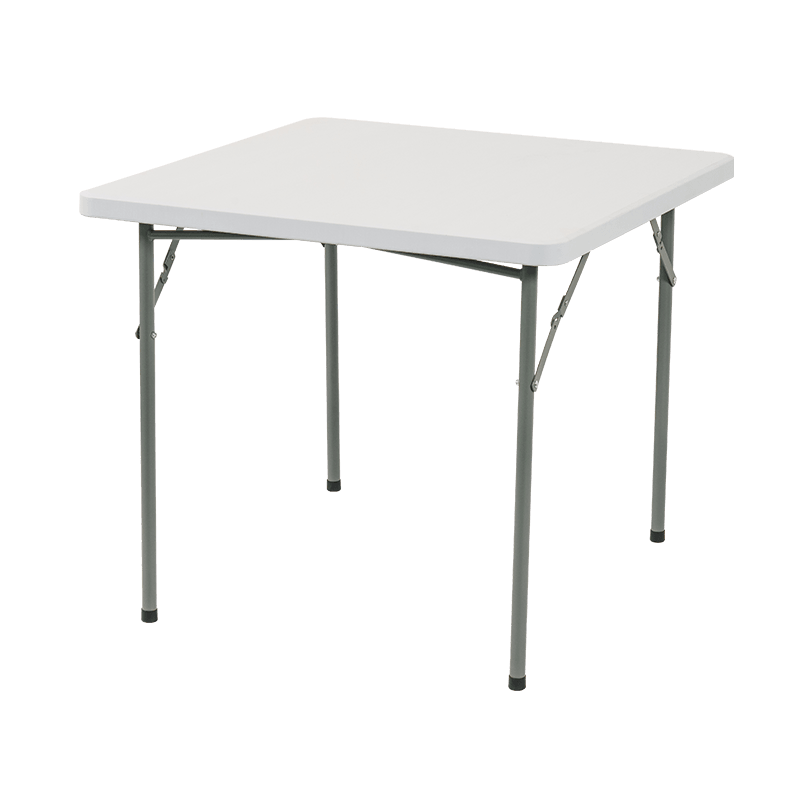
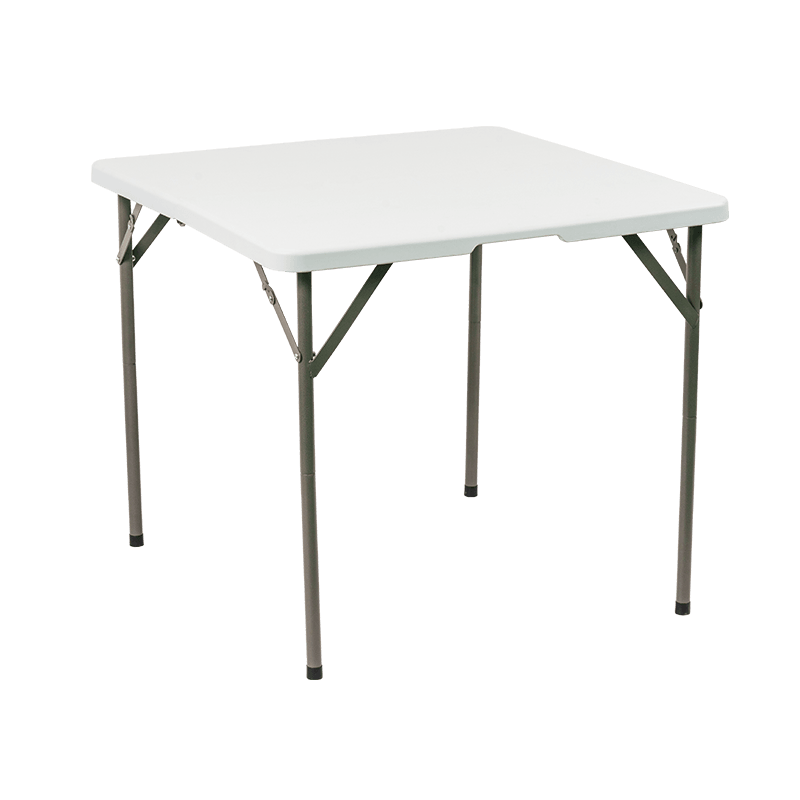
Square tables seat 2–4 people and work well in café-style arrangements or can be pushed together to form larger rectangular surfaces. Standard sizes are 24×24 inches and 36×36 inches. They are common in restaurant settings, small meeting rooms, and outdoor dining setups where flexibility and modular arrangement are priorities.
Seminar and Serpentine Tables
Seminar tables are narrow rectangles (typically 18×60 inches or 18×72 inches) designed for single-sided seating in classroom or conference layouts. Serpentine (curved) folding tables have concave or convex arced surfaces that join together to create circular, oval, or S-shaped configurations for upscale buffet and cocktail presentations.
Standard Sizes and Seating Capacity Reference
Selecting the correct size prevents both overcrowding and wasted space. The table below provides a practical reference for the most common plastic folding table dimensions and their typical guest capacities.
| Table Shape & Size | Seated Capacity | Typical Use | Approx. Weight |
|---|---|---|---|
| Rectangle 4 ft × 30 in | 4 people | Small gatherings, kids' tables, crafts | 13–18 lbs |
| Rectangle 6 ft × 30 in | 6–8 people | Banquets, buffets, vendor tables | 18–26 lbs |
| Rectangle 8 ft × 30 in | 8–10 people | Large events, trade shows, banquets | 22–32 lbs |
| Round 48 in diameter | 4–6 people | Small receptions, café settings | 20–28 lbs |
| Round 60 in diameter | 6–8 people | Weddings, galas, formal dinners | 28–38 lbs |
| Round 72 in diameter | 8–10 people | Large banquets, hotel ballrooms | 35–50 lbs |
| Seminar 18 × 72 in | 3 (one side) | Classrooms, conferences, training | 14–20 lbs |
Construction Quality Grades: Light Duty vs. Commercial
Not all plastic folding tables are built to the same standard. Construction quality determines weight capacity, durability, and how long the table will last under regular use. There are three practical quality tiers.
Light-Duty / Residential Grade
Entry-level tables typically feature a thinner HDPE or polypropylene tabletop (around 0.5–0.8 inches thick) with minimal internal reinforcement and lightweight steel tube legs (often 16–18mm diameter). Static load ratings are typically 150–250 lbs. These tables are suitable for occasional home use—kids' parties, garage sales, holiday gatherings—but will flex noticeably under heavier loads and are prone to leg wobble after 1–2 years of regular folding and unfolding. Price range: $25–$60.
Mid-Grade / Semi-Commercial
A significant step up in durability, mid-grade tables use thicker HDPE tabletops (0.75–1 inch), often with an internal steel or ABS plastic framework to resist flexing. Leg tubes are heavier gauge (19–25mm) and leg lock mechanisms are more robust. Static load ratings of 300–500 lbs are common. These are appropriate for community organizations, churches, schools, and homeowners who set up tables frequently. Price range: $60–$120.
Commercial / Heavy-Duty Grade
Commercial-grade folding tables are engineered for daily use in hotels, event rental companies, convention centers, and catering operations. Tabletops are 1–1.25 inches thick with steel or aluminum reinforcement ribs molded into the HDPE core, providing rigidity without flex even when the table is fully loaded. Leg frames use 1.5-inch or larger diameter steel tubing with reinforced locking hinges. Static load ratings of 500–750 lbs are standard. These tables withstand thousands of setup/breakdown cycles over 10+ years of institutional use. Price range: $100–$200+.
Tabletop Material: HDPE vs. Polypropylene vs. ABS
The plastic composition of the tabletop affects durability, heat resistance, chemical resistance, and surface quality.
- High-Density Polyethylene (HDPE): The most common material for quality folding tables. HDPE has excellent impact resistance, does not crack or chip under normal use, resists most cleaning chemicals, and does not absorb moisture. It remains usable from −40°F to +120°F, making it suitable for outdoor use in most climates. HDPE surfaces are somewhat softer and can be scratched by sharp objects.
- Polypropylene (PP): Lighter than HDPE and slightly stiffer, polypropylene is used in thinner, lower-cost folding tables. It has a higher heat resistance than HDPE (suitable up to about 130°F continuous), but becomes brittle at temperatures below freezing and is more prone to cracking under impact in cold weather. Better for indoor-only use.
- ABS Plastic: Used in some premium table constructions as an internal structural layer sandwiched within the tabletop. ABS adds rigidity and impact resistance. Tables combining an HDPE skin with an ABS or steel internal frame deliver the best combination of surface durability and structural stiffness at commercial grade.
Leg Frame Materials and Locking Mechanisms
The leg frame is the most structurally critical component of a folding table—and the component most likely to fail first on lower-quality models.
Steel Leg Frames
Steel is the dominant leg material for commercial and mid-grade folding tables. Powder-coated steel resists corrosion for outdoor and storage conditions, while bare steel frames rust quickly when exposed to moisture. Leg tube diameter and wall thickness are the key quality indicators: budget tables use 16mm thin-wall tubes while commercial tables use 32–38mm heavy-wall tubing that resists bending under off-center loads.
Aluminum Leg Frames
Aluminum frames are lighter than steel by approximately 35–40% for equivalent strength, making them preferred for applications where the tables are moved frequently—event rental operations, trade shows, catering. Aluminum is naturally corrosion-resistant, which eliminates rust concerns in wet outdoor environments. The tradeoff is slightly higher cost and reduced dent resistance compared to steel.
Leg Locking Mechanisms
The leg lock is the most common failure point on lower-quality folding tables. There are two main designs:
- Metal cam locks: A steel bracket that snaps over the leg tube when the leg is fully extended, preventing the leg from folding under load. This is the most reliable design used in commercial tables. Look for all-metal construction—plastic cam locks crack after repeated use.
- Pin and spring locks: A spring-loaded pin that drops into a hole in the leg frame when extended. Common on lighter tables. More prone to bending or spring fatigue over time, but adequate for light-use applications.
Weight Capacity: Understanding Static vs. Dynamic Ratings
Manufacturers typically publish a static load rating—the maximum evenly distributed weight the table can support without permanent deformation. Dynamic loads (impacts, concentrated point loads, people sitting or standing on the table) should be treated as 2–3 times more stressful than the equivalent static weight.
In practical terms, a table rated for 500 lbs static load should be treated as having a safe working capacity of 200–250 lbs for concentrated loads or active use—for example, someone leaning heavily on one corner. For catering applications with heavy food service equipment, chafing dishes, and full serving trays, choose tables rated for at least 500 lbs static to maintain a comfortable safety margin.
Height Options: Standard, Bar, and Adjustable
Most plastic folding tables are available at one or more standard heights. Matching height to use case significantly affects comfort and function.
- Standard height (29–30 inches): The universal height for seated dining and work. Compatible with standard dining chairs (seat height 17–19 inches). Used for virtually all banquet, classroom, and office applications.
- Bar/cocktail height (40–42 inches): Designed for standing or use with bar stools (seat height 28–30 inches). Popular for cocktail parties, trade shows, and networking events where guests move freely and don't need prolonged seating.
- Adjustable height (28–36 inches): Some folding tables offer multi-position leg height adjustment, enabling conversion between children's table height, standard dining height, and light countertop height. Most useful for multipurpose spaces like community centers and schools.
Choosing the Right Plastic Folding Table for Your Use Case
Use the following guidance to match the right table specification to your specific application.
| Use Case | Recommended Shape | Recommended Size | Grade Needed |
|---|---|---|---|
| Home / backyard parties | Rectangle | 6 ft × 30 in | Light to Mid-grade |
| Wedding reception | Round | 60 in diameter | Commercial |
| Classroom / training room | Seminar / Rectangle | 18×72 in or 30×72 in | Mid to Commercial |
| Trade show / vendor booth | Rectangle | 6 ft or 8 ft × 30 in | Mid to Commercial |
| Catering / food buffet | Rectangle | 8 ft × 30 in | Commercial (500+ lb) |
| Cocktail / networking event | Round (bar height) | 30–36 in diameter | Mid to Commercial |
| Kids' activities / crafts | Rectangle or Round | 4 ft × 24 in (low height) | Light-duty |
Setup, Storage, and Transport Tips
Proper handling extends the life of plastic folding tables and prevents injuries during setup and breakdown.
Setting Up Safely
- Stand the table upright on its long edge and unfold one set of legs fully before laying the table flat.
- Confirm each leg is fully extended and the locking mechanism is fully engaged before applying any load. A partially locked leg is the most common cause of table collapse.
- For heavy loads, place the table on a flat, stable surface. Tables on uneven ground should have rubber leg tips or leveling feet to prevent rocking.
- When moving a loaded table, always lift—never drag—to avoid twisting stress on the leg frame joints.
Stacking and Storage
Most plastic folding tables stack flat when folded, allowing 10–15 tables per vertical foot of storage space for 6-foot rectangular models. Commercial venues use purpose-built table carts (also called table dollies or table trucks) that hold 10–20 folded tables upright on wheels, enabling a single person to move large quantities without manual lifting. When stacking tables, always fold legs fully inward and ensure the stack is stable before leaving it unattended—unsecured stacks can tip and cause injury.
Outdoor Use Precautions
HDPE tables perform well outdoors but should be secured in windy conditions—an empty 6-foot folding table is easily blown over by wind gusts above 20 mph. Store tables indoors or under cover when not in use to prevent UV degradation of the plastic and surface oxidation of steel leg frames. If tables are stored outdoors long-term, apply a UV-protective coating to HDPE surfaces annually to prevent chalking and surface breakdown.
Cleaning and Maintenance to Extend Table Life
Plastic folding tables are low-maintenance but benefit from regular cleaning and occasional inspection of the leg hardware.
- Routine cleaning: Wipe down HDPE surfaces with a damp cloth and mild dish soap after each use. HDPE resists most food acids, beverages, and commercial cleaning products. Avoid abrasive scrubbers that scratch the surface and make it harder to clean in future.
- Stain removal: For stubborn stains, a dilute bleach solution (1 part bleach to 10 parts water) effectively removes most discoloration from HDPE without damaging the material. Rinse thoroughly after using bleach.
- Leg frame inspection: Check leg locks, hinges, and frame welds for looseness, cracking, or corrosion every 6–12 months if the table is used regularly. Tighten any loose bolts and treat rust spots with rust-inhibiting primer before they spread.
- Rubber leg tip replacement: Rubber or plastic leg tips protect floors and prevent the table from sliding. Replace them when worn flat—typically every 2–3 years under regular use. Replacement tips cost under $5 for a set of four and significantly reduce surface damage and noise during setup.
- Avoid heat exposure: Do not place hot cookware, chafing dishes without insulating trivets, or heat lamps in direct contact with HDPE tabletops. While HDPE has reasonable heat resistance, sustained direct heat above 120°F can warp or permanently deform the surface.
Featured Products Showcase