English
 中文简体
中文简体
Author: HUIRUI
Date: May 13, 2026
What Are Camping Chairs Made Of? Materials Explained
Content
- 1 What Materials Are Camping Chairs Made Of? The Short Answer
- 2 Frame Materials: The Structural Backbone of Camping Chairs
- 3 Seat and Fabric Materials in Camping Chairs
- 4 Plastic Folding Chair vs. Fabric Camping Chair: Key Differences
- 5 What Makes an Outdoor Plastic Folding Chair Suitable for Outdoor Use?
- 6 How Material Affects Weight Capacity in Camping Chairs
- 7 Durability and Maintenance by Material Type
- 8 How to Choose the Right Camping Chair Material for Your Needs
What Materials Are Camping Chairs Made Of? The Short Answer
Camping chairs are primarily made from aluminum, steel, or plastic frames combined with fabric seating surfaces such as polyester, nylon, or Oxford cloth. The most common combination is a powder-coated steel or aluminum frame with a 600D polyester seat. However, a significant portion of the outdoor seating market also relies on all-plastic construction — particularly in the form of outdoor plastic folding chairs — which use high-density polyethylene (HDPE) or polypropylene (PP) for both the frame and seat.
The material choice directly affects weight, durability, weather resistance, and price. Understanding these materials helps you select the right chair for camping, tailgating, beach trips, or backyard use.
Frame Materials: The Structural Backbone of Camping Chairs
The frame is the most critical component of any camping chair. It determines load capacity, portability, and longevity. Here are the main frame materials used across the industry:
Aluminum
Aluminum is the preferred material for lightweight and backpacking chairs. A typical aluminum camping chair frame weighs between 1.5 and 3 lbs, making it significantly lighter than steel alternatives. Aluminum is naturally rust-resistant, which makes it ideal for humid or coastal environments. High-end models often use aircraft-grade 6061 or 7075 aluminum alloy, which offers an excellent strength-to-weight ratio. Brands like Helinox use this material to produce chairs weighing under 2 lbs with a load capacity exceeding 320 lbs.
Steel
Steel frames are found in budget to mid-range camping chairs and plastic folding chairs used outdoors. Steel chairs typically support 250–500 lbs, making them a preferred choice for heavy-duty use. The downside is weight — a steel-framed camping chair can weigh 5–8 lbs. Most steel frames are powder-coated or galvanized to resist rust, though they are less corrosion-resistant than aluminum over time in wet conditions.
Plastic (Polypropylene and HDPE)
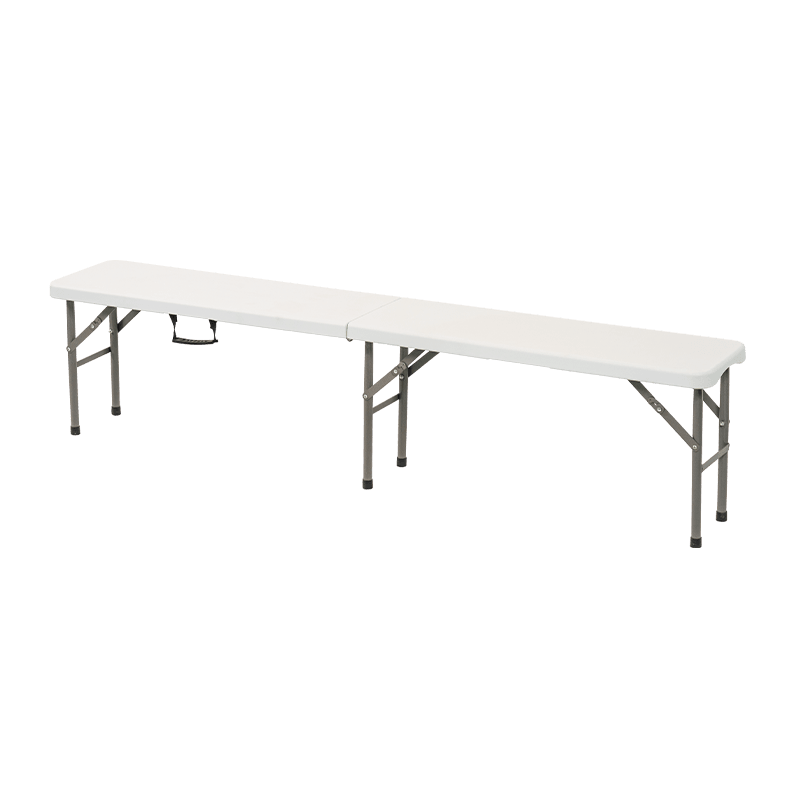
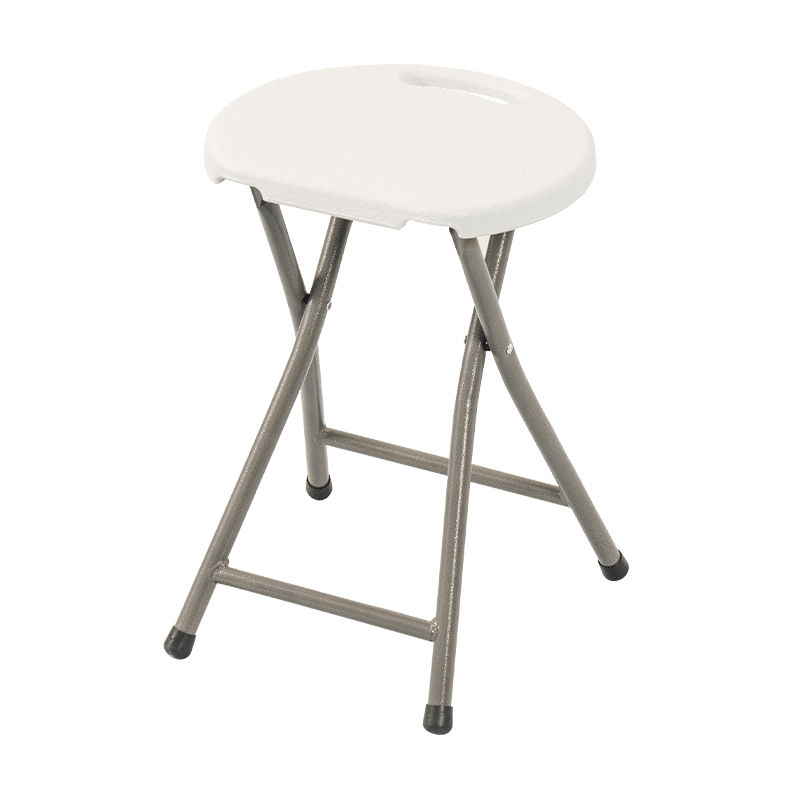
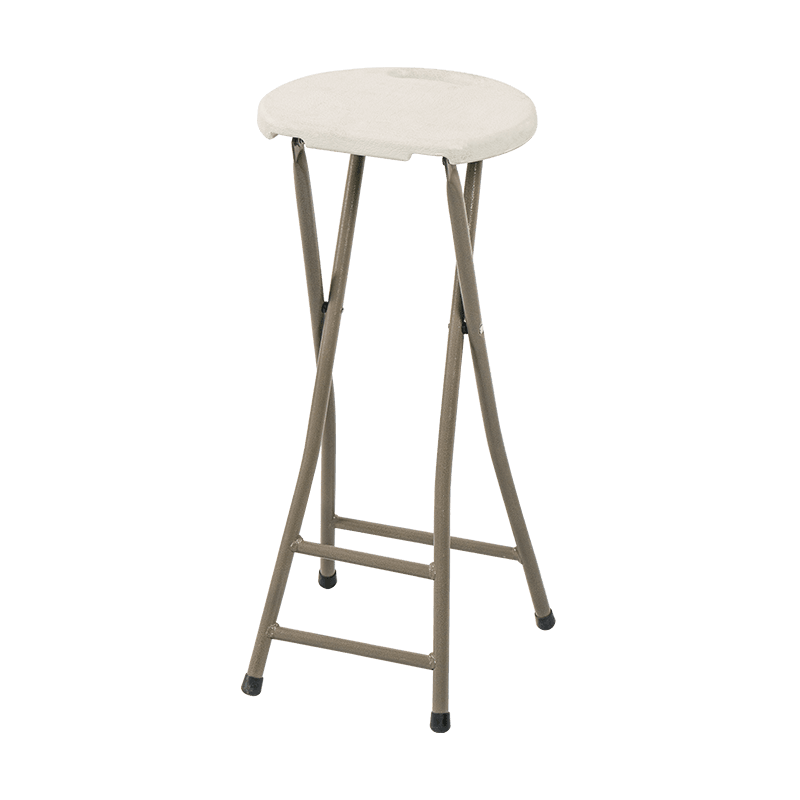
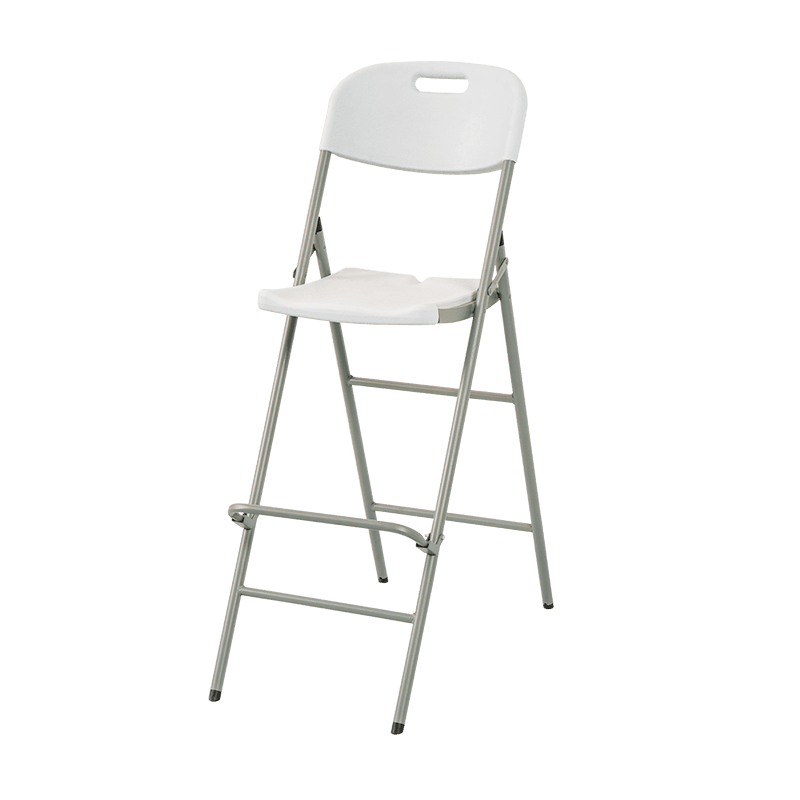
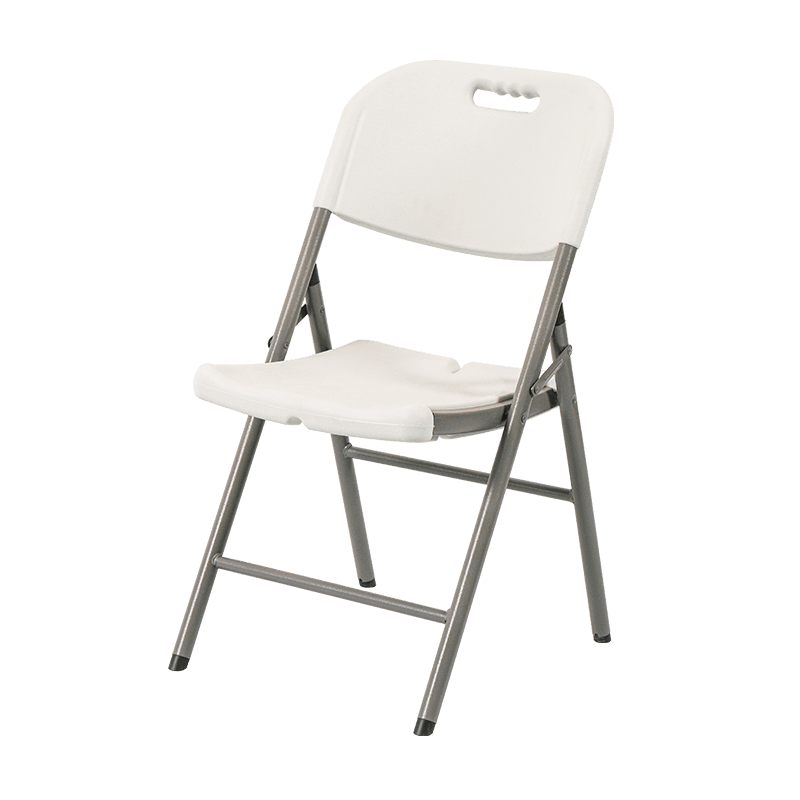
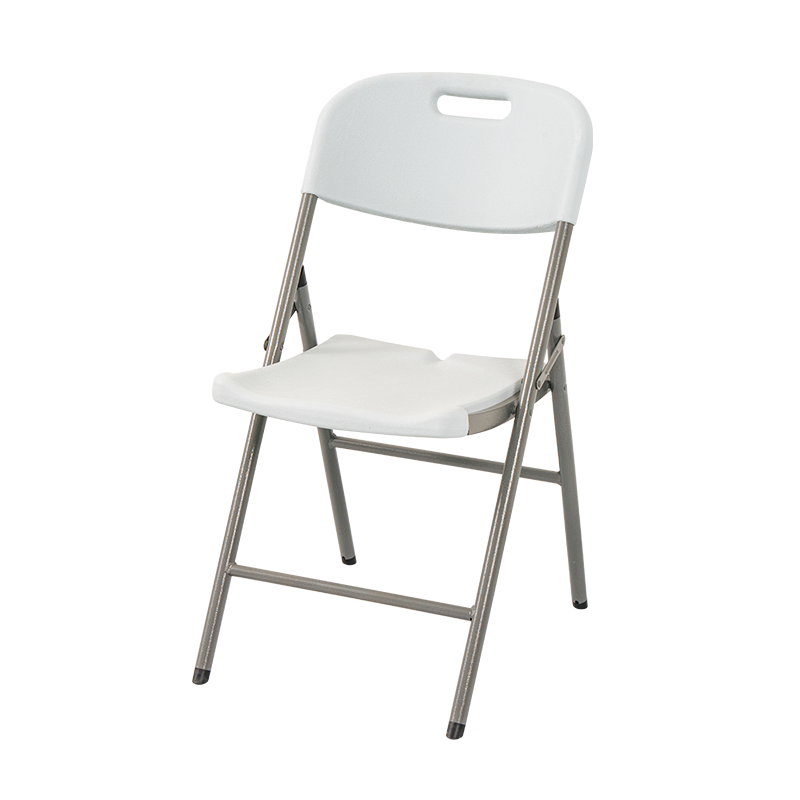
Plastic folding chairs — both indoor and outdoor versions — use a fully plastic construction. Polypropylene (PP) and high-density polyethylene (HDPE) are the two dominant plastics used. PP is lighter and more flexible, while HDPE is denser and more impact-resistant. Outdoor plastic folding chairs made from UV-stabilized HDPE can withstand prolonged sun exposure without fading or cracking. Commercial-grade plastic folding chairs, such as those used at events, are typically reinforced with steel inserts in the legs for added stability.
Fiberglass and Carbon Fiber
Found only in premium ultralight camping chairs, carbon fiber frames can reduce chair weight to under 1 lb while maintaining impressive strength. Carbon fiber chairs, such as those from Gossamer Gear, can cost $150–$300+. Fiberglass is occasionally used as a lower-cost alternative in flex-rod style chairs.
Seat and Fabric Materials in Camping Chairs
For chairs with fabric seats — as opposed to all-plastic chairs — the seating surface material greatly affects comfort, breathability, and weather resistance.
- 600D Polyester: The industry standard for most camping chairs. "D" stands for denier, a measure of fabric thickness. 600D polyester is durable, water-resistant, and easy to clean. It is used in chairs from brands like Coleman, REI, and ALPS Mountaineering.
- Oxford Cloth (210D–420D): A lightweight woven fabric used in backpacking chairs. It is less durable than 600D polyester but significantly lighter, making it suitable for chairs where weight is the priority.
- Mesh (Polyester or Nylon Mesh): Used in breathable camping chairs, mesh seats allow airflow, reducing heat buildup during summer use. Popular in zero-gravity and reclining outdoor chairs.
- Canvas (Cotton or Cotton-Poly Blend): Found in traditional camp chairs and director's chairs. Canvas is durable and comfortable but heavier and slower to dry than synthetic fabrics.
- Textilene (PVC-Coated Polyester): A weather-resistant, mold-resistant fabric used in heavy-duty outdoor chairs. It is fully waterproof and UV-resistant, making it ideal for poolside or beach environments.
Plastic Folding Chair vs. Fabric Camping Chair: Key Differences
When choosing between an outdoor plastic folding chair and a fabric-and-frame camping chair, material differences lead to meaningful performance trade-offs. The table below summarizes the most important comparisons:
| Feature | Outdoor Plastic Folding Chair | Fabric Camping Chair |
|---|---|---|
| Primary Material | HDPE or PP plastic | Aluminum/steel + polyester |
| Average Weight | 6–10 lbs | 1.5–8 lbs |
| Weather Resistance | Excellent (UV-stabilized) | Good (varies by fabric) |
| Comfort | Moderate (hard surface) | High (flexible, padded options) |
| Load Capacity | 250–500 lbs | 225–400 lbs |
| Price Range | $10–$60 | $20–$300+ |
| Best Use Case | Events, patios, casual outdoor | Camping, hiking, festivals |
What Makes an Outdoor Plastic Folding Chair Suitable for Outdoor Use?
Not all plastic folding chairs are designed for outdoor environments. Outdoor-rated plastic folding chairs must include UV stabilizers in the plastic compound to prevent color fading, brittleness, and cracking from prolonged sun exposure. Without UV stabilization, standard indoor PP or HDPE chairs can become brittle and crack within one to two seasons of outdoor use.
Key material features of a quality outdoor plastic folding chair include:
- UV-stabilized HDPE or PP: Resists sun degradation for 3–5+ years of outdoor use.
- Non-porous surface: Prevents moisture absorption, mold, and mildew — critical for rainy or poolside environments.
- Reinforced legs with steel inserts or rubber feet: Prevents sinking into soft ground and adds structural stability.
- Textured seat surface: Improves grip and reduces slipping when the chair is wet.
- Recyclable material: Many commercial outdoor plastic folding chairs are made from 100% recyclable HDPE, making them a more sustainable option.
Commercial brands like Lifetime, Cosco, and Flash Furniture use injection-molded HDPE with steel-reinforced frames to produce outdoor plastic folding chairs that can withstand years of heavy use in event and hospitality environments.
How Material Affects Weight Capacity in Camping Chairs
Weight capacity is directly tied to both the frame material and its structural design. Here is a breakdown of typical capacities by material type:
- Standard aluminum frame chairs: 225–320 lbs (e.g., REI Co-op Flexlite Air: 320 lbs at 1 lb 3 oz)
- Standard steel frame camping chairs: 250–350 lbs (e.g., Coleman Quad Chair: 325 lbs)
- Heavy-duty steel camping chairs: 400–800 lbs (e.g., KingCamp Heavy Duty: 440 lbs)
- Standard plastic folding chairs (PP/HDPE): 250–300 lbs
- Commercial outdoor plastic folding chairs (steel-reinforced HDPE): 300–500 lbs (e.g., Lifetime 42804: 500 lbs)
Steel-reinforced plastic chairs often outperform pure fabric-and-frame camping chairs in load capacity, making them a practical choice for larger users or extended outdoor event seating.
Durability and Maintenance by Material Type
Choosing the right material also determines how much maintenance a camping chair requires and how long it lasts.
Aluminum Frames
Aluminum does not rust, making it virtually maintenance-free in wet environments. However, it can oxidize over time, forming a white powdery coating. Wiping with a damp cloth and occasionally applying a light coat of WD-40 keeps aluminum frames in good condition for 5–10+ years.
Steel Frames
Powder-coated steel resists rust well, but chips and scratches in the coating can lead to rust spots. Storing steel-framed chairs dry and indoors during winter extends their lifespan significantly. Apply touch-up paint or clear coat to scratches immediately.
Plastic (HDPE/PP)
Plastic folding chairs are among the easiest to maintain. They can be wiped clean with a wet cloth or hosed down. UV-stabilized plastic resists color fading for years. Avoid using harsh solvents or abrasive scrubbers, which can damage the UV-stabilizing coating on outdoor plastic folding chairs.
Fabric Seats
Polyester and nylon seats should be wiped clean after each use and allowed to fully dry before storage to prevent mildew. Canvas seats may require occasional re-waterproofing with a fabric protector spray. Mesh seats are highly breathable but can collect dirt and debris in the weave — a soft brush cleans them effectively.
How to Choose the Right Camping Chair Material for Your Needs
Use the following guide to match your use case with the right material:
- Backpacking or hiking: Choose an aluminum or carbon fiber frame with 210D–420D Oxford fabric. Target chairs under 2 lbs, such as the Helinox Chair One (2.1 lbs, 320 lb capacity).
- Car camping or festival use: A steel frame with 600D polyester offers the best balance of comfort and durability at $30–$80. Coleman and ALPS Mountaineering are reliable options.
- Beach or poolside use: Choose UV-stabilized HDPE plastic folding chairs or chairs with Textilene fabric. Both resist water, salt, and sun effectively.
- Patio, events, or general outdoor use: An outdoor plastic folding chair with steel-reinforced legs is the most practical and cost-effective choice, typically $15–$50 per chair.
- Heavy-duty or plus-size use: Look for reinforced steel frames or commercial HDPE plastic folding chairs rated at 400–500 lbs.
There is no single best material — the right choice depends entirely on how and where you plan to use the chair. For most casual outdoor and camping use, a 600D polyester seat on a powder-coated steel or aluminum frame offers the best all-around performance and value.
Featured Products Showcase