English
 中文简体
中文简体
Author: HUIRUI
Date: Jul 01, 2026
The Ultimate Plastic Folding Chair Guide: Materials, Frame Construction, and Quality
Content
A good plastic folding chair should support at least 250-300 lbs, use high-density polypropylene rather than thin polystyrene, and have a steel-reinforced frame under the seat — these three factors matter far more than price or color when it comes to how long the chair actually lasts. Plastic folding chairs are popular for events, churches, schools, and home storage precisely because they're lightweight and stackable, but that same lightweight design means quality varies enormously between a $15 chair that cracks within a season and a $35 chair that holds up for a decade of regular use.
Below, we break down the materials, weight ratings, frame construction, and use-case differences that determine which plastic folding chair is actually worth buying for your specific situation.
What Plastic Folding Chairs Are Made Of
Not all "plastic" folding chairs use the same material, and this is the single biggest factor separating a durable chair from one that becomes brittle and cracks within a year. Understanding the material used tells you almost everything about how the chair will perform over time.
Polypropylene (PP)
Polypropylene is the industry standard for quality folding chairs because it resists cracking, flexes slightly under load instead of snapping, and holds up well to both UV exposure and temperature swings. Most commercial-grade folding chairs used in event rental businesses are made from high-density polypropylene, which is why rental-grade chairs often outlast big-box store versions by several years.
Polystyrene
Polystyrene is cheaper to produce but significantly more brittle, especially in cold temperatures where it can crack under normal sitting weight. Chairs made from this material are typically found at the lowest price tier and are best suited for occasional indoor use rather than frequent or outdoor use.
Resin Blends
Many mid-range and premium folding chairs use a resin blend that combines polypropylene with additional UV stabilizers and impact modifiers. These blends are common in chairs marketed for both indoor and outdoor event use, since they resist the fading and warping that pure polystyrene experiences under direct sunlight.
Frame Construction and Weight Capacity
The plastic seat and back get most of the attention, but the metal frame underneath is what actually determines the chair's real-world weight capacity and stability. Most plastic folding chairs use a steel tube frame, though the gauge (thickness) of that steel varies significantly between budget and commercial-grade models.
| Frame Gauge | Typical Weight Capacity | Best Use |
|---|---|---|
| 22-gauge | 220-250 lbs | Occasional home or classroom use |
| 20-gauge | 300-350 lbs | Church, banquet, event rental |
| 18-gauge | 400-500 lbs | Heavy-duty commercial, frequent stacking |
A lower gauge number means thicker, stronger steel — so an 18-gauge frame is more robust than a 22-gauge frame, despite the smaller number. For any setting with regular daily use, such as a church or event venue, a 20-gauge or thicker frame is worth the added cost over a lighter-duty 22-gauge model.
Key Design Features to Compare
Beyond material and frame gauge, several design details affect both comfort and long-term durability, particularly for chairs that get stacked, stored, and transported frequently.
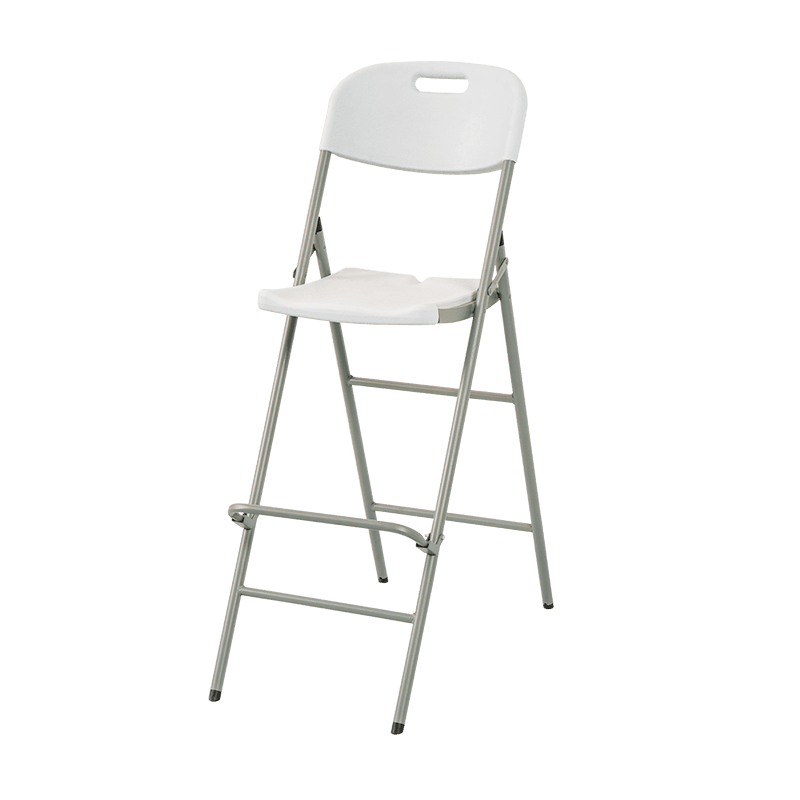
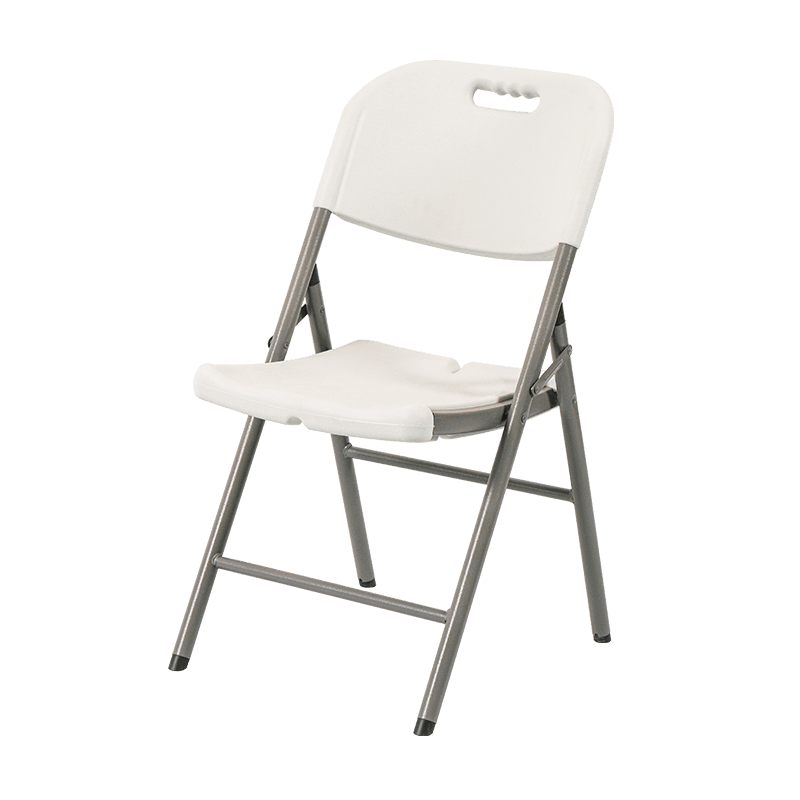
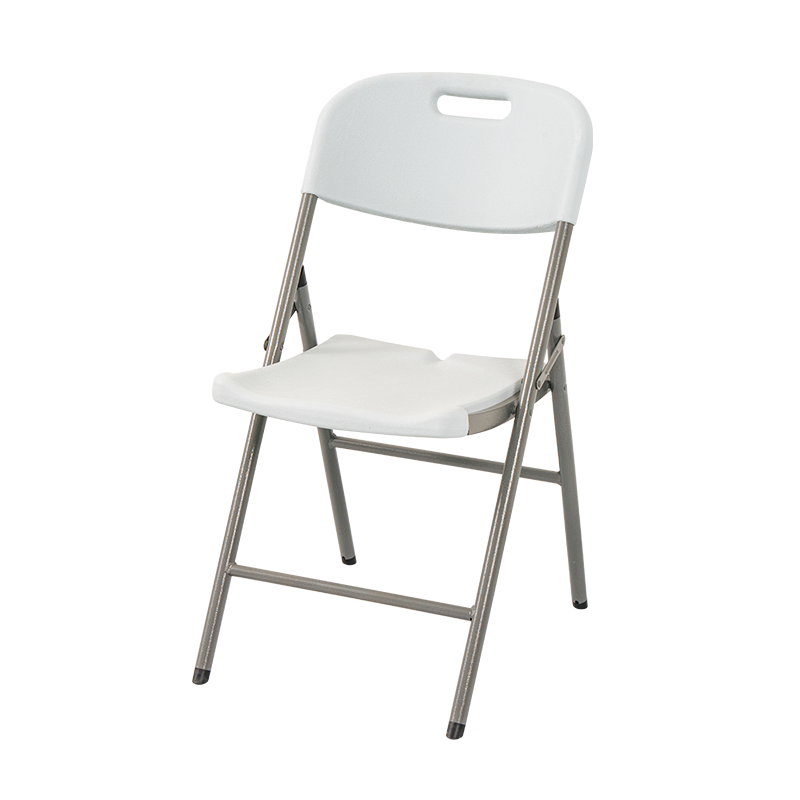
- Double-braced frame: adds a horizontal support bar under the seat, reducing wobble and increasing stability
- Curved or contoured seat back: improves comfort during longer seated events like weddings or ceremonies
- Non-marring floor caps: rubber or plastic feet that prevent scratches on hardwood or gym flooring
- Vented seat design: allows airflow, useful for outdoor events in warm climates
- Reinforced hinge points: the folding mechanism is a common failure point, so metal-on-metal hinges outlast plastic hinge components
Indoor vs. Outdoor Use Considerations
Where the chair will primarily be used should directly influence which material and finish you choose, since UV exposure and moisture affect plastic chairs very differently than indoor climate-controlled settings.
Outdoor and Event Use
For chairs left outdoors or used at outdoor weddings and events, look specifically for UV-stabilized polypropylene. Without UV stabilizers, plastic chairs left in direct sun can become brittle and discolored within a single season, while UV-treated versions typically maintain their strength and color for 3-5 years of regular outdoor use.
Indoor and Storage-Heavy Use
For indoor settings like classrooms, banquet halls, or churches where chairs are stacked and stored between uses, prioritize stacking height limits and hinge durability over UV resistance. Most manufacturers rate stacking limits at 10-15 chairs high before the bottom chairs risk frame stress — exceeding this consistently shortens the lifespan of chairs at the bottom of the stack.
Comparing Plastic Folding Chairs to Other Materials
Plastic folding chairs aren't the only option, and understanding how they compare to wood and metal alternatives helps clarify when plastic is genuinely the better choice versus when another material fits better.
| Material | Weight | Best For |
|---|---|---|
| Plastic | 6-8 lbs | Events, easy transport, weather resistance |
| Metal (steel seat) | 10-14 lbs | Heavy-duty indoor use, higher weight capacity |
| Wood | 8-12 lbs | Formal indoor events, upscale aesthetic |
Plastic wins on weight and weather resistance, which is why it dominates the rental and outdoor event market, while metal chairs are generally preferred for permanent indoor installations that prioritize maximum weight capacity over portability.
How to Spot a Low-Quality Chair Before Buying
A few quick checks can help you avoid chairs that look fine in photos but fail within months of regular use.
- Flex the seat by hand — excessive give or a hollow, thin feel signals low-density plastic
- Check the listed weight capacity against your actual use case, not just the advertised maximum
- Look for a stated frame gauge in the product specifications — listings that omit this detail often use thinner, lower-quality steel
- Read reviews specifically mentioning long-term use, not just initial unboxing impressions
- Confirm whether the chair is rated for outdoor use if that's your primary application
Final Takeaway
The best plastic folding chair for most buyers uses high-density polypropylene, a 20-gauge or thicker steel frame, and reinforced hinge points — specifications worth checking before price when comparing options. Matching the chair to its intended environment, whether that's frequent outdoor events requiring UV-stabilized plastic or indoor storage-heavy use requiring strong hinges and stacking durability, makes the difference between a chair that lasts a single season and one that holds up through years of regular use.
Featured Products Showcase