English
 中文简体
中文简体
Author: HUIRUI
Date: Jun 24, 2026
How to Find the Perfect Foldable Camping Table for Your Next Adventure
Content
- 1 What Is the Best Foldable Camping Table?
- 2 Why a Foldable Camping Table Matters for Outdoor Trips
- 3 Key Features to Compare Before Buying
- 4 Comparing Common Types of Foldable Camping Tables
- 5 How to Choose the Right Size for Your Group
- 6 Setup, Stability, and Maintenance Tips
- 7 Common Mistakes When Buying a Camping Table
- 8 Best Uses Beyond Camping
- 9 Final Buying Checklist
What Is the Best Foldable Camping Table?
The best foldable camping table is an aluminum roll-top or slatted table weighing between 4 and 9 pounds, with a load capacity of at least 44 pounds and a folded size small enough to fit in a car trunk or backpack side pocket. For most campers, a table measuring around 27 x 20 inches when open, standing 15-22 inches tall, offers the right balance of stability, portability, and usability for cooking, dining, and gear storage at a campsite.
Unlike bulky picnic tables, a foldable camping table collapses in seconds, uses lightweight materials like aluminum alloy or HDPE plastic, and sets up on uneven terrain without tools. The right choice depends on group size, vehicle space, and intended use—whether that's solo backpacking, car camping, tailgating, or backyard gatherings.
Why a Foldable Camping Table Matters for Outdoor Trips
A camping table solves a problem that sleeping bags and tents don't: it gives campers a stable, elevated surface for food prep, dining, and organizing gear. Sitting on the ground or balancing a stove on a rock is inefficient and often unsafe, especially when handling hot liquids or sharp tools.
Practical Benefits
- Keeps food and cooking equipment off dirt, sand, or wet grass
- Provides a flat surface for card games, maps, or laptops at the campsite
- Reduces back strain compared to crouching over a cooler or ground tarp
- Doubles as a gear-sorting station during setup and teardown
According to outdoor gear surveys, over 60% of car campers rank a dedicated table as a "top five" comfort item, ranking above camp chairs in usefulness for multi-day trips.
Key Features to Compare Before Buying
Not all foldable camping tables serve the same purpose. Matching the table's specifications to your trip style prevents wasted money on a table that's too heavy to carry or too small for group meals.
Material
Aluminum alloy tables are the most popular choice because they resist rust, stay lightweight (often under 6 pounds), and hold up to repeated folding. HDPE plastic tables cost less but weigh more and can warp under heavy heat. Bamboo or wood-topped folding tables look attractive for backyard use but are heavier and less weather-resistant.
Weight Capacity
Most compact roll-top tables support 33 to 44 pounds, enough for a two-burner stove and cookware. Larger family-style folding tables can support 150 pounds or more, suitable for full meal spreads or as a workstation.
Folded Dimensions
Backpacking-style tables fold down to roughly the size of a rolled towel (around 16 x 4 inches) and slide into a side pocket. Car-camping tables fold flat to about 27 x 4 inches and fit easily into a trunk or under a back seat.
Comparing Common Types of Foldable Camping Tables
Camping tables generally fall into four design categories, each suited to a different style of trip.
| Table Type | Average Weight | Load Capacity | Best For |
|---|---|---|---|
| Roll-Top Aluminum | 4-6 lbs | 33-44 lbs | Solo/duo backpacking |
| Slatted Folding | 6-9 lbs | 50-70 lbs | Car camping cooking station |
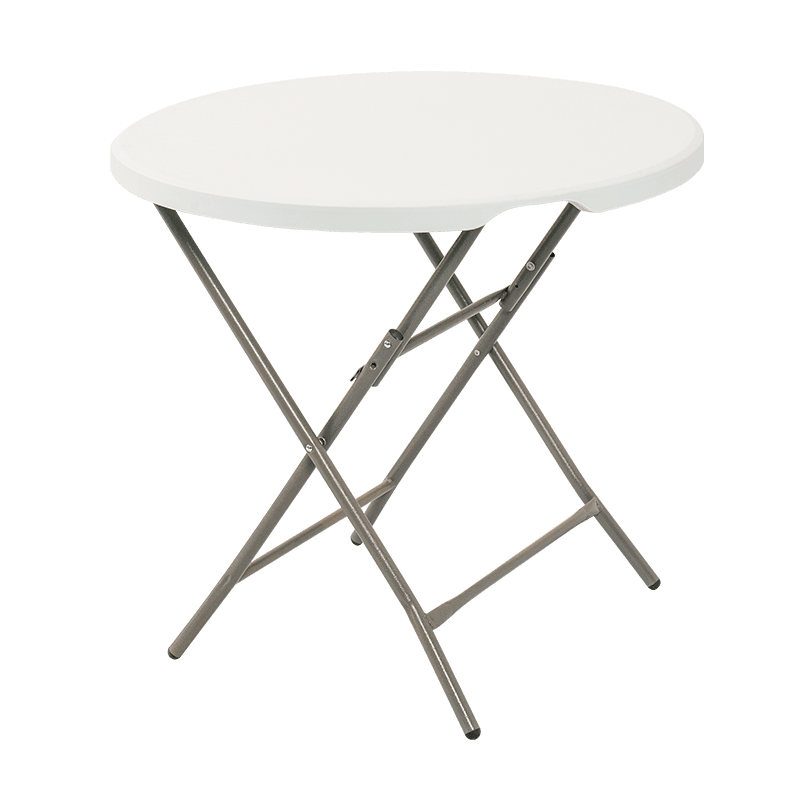
| X-Frame Plastic | 8-12 lbs | 80-100 lbs | Picnics and tailgating |
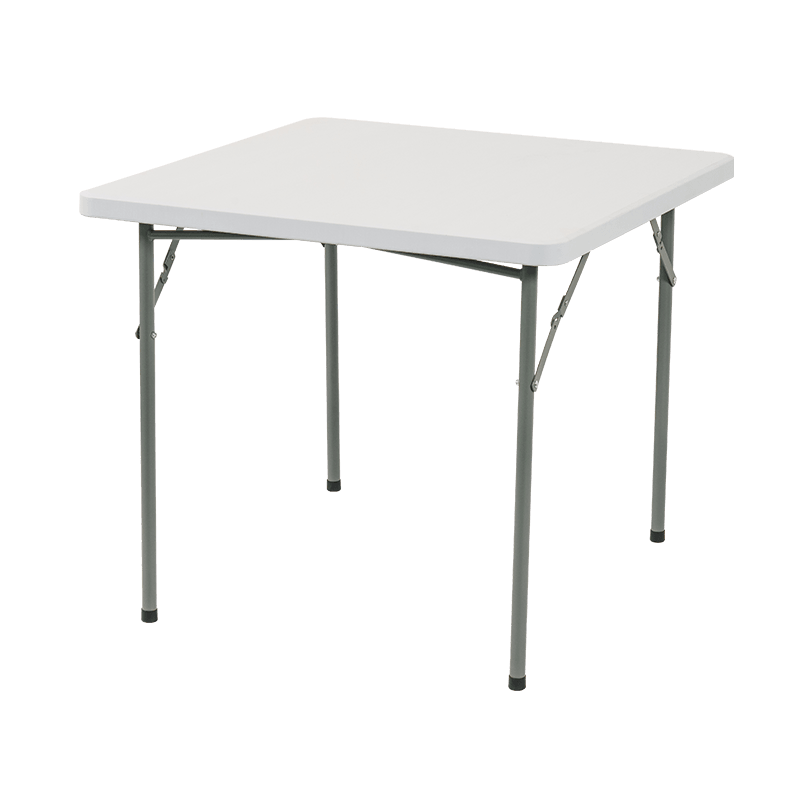
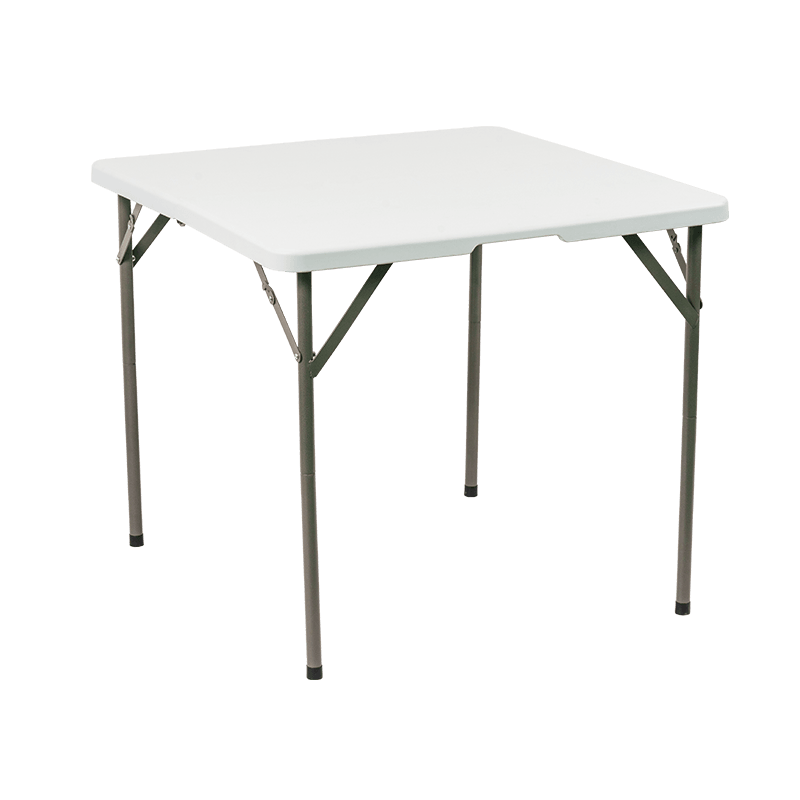
| Family Folding (Plastic Top) | 15-20 lbs | 150+ lbs | Group camping and events |
How to Choose the Right Size for Your Group
Table size should match the number of people it needs to serve, not just available trunk space. A common mistake is buying a table too small to hold a stove, plates, and a lantern simultaneously.
- For 1-2 people: choose a table around 20-27 inches wide, sufficient for a single burner and a cutting board
- For 3-4 people: choose a table around 35-40 inches wide to fit shared meals and cooking gear
- For 5+ people: consider two smaller tables or one 48-inch+ table, often paired with bench seating
Height also matters. A standard 28-inch height works well with regular camp chairs, while shorter 15-18 inch tables suit low-profile chairs or ground seating.
Setup, Stability, and Maintenance Tips
Most foldable camping tables set up in under 30 seconds using spring-loaded or roll-top mechanisms, but stability depends on more than just unfolding the legs correctly.
Stabilizing on Uneven Ground
- Choose tables with adjustable or rubber-tipped feet to compensate for slopes
- Place flat rocks or wood scraps under shorter legs on rocky terrain
- Avoid setting up on soft sand without wide, flat foot pads to prevent sinking
Maintenance for Longer Lifespan
Wipe aluminum frames dry after rain to prevent corrosion at joints, and lubricate folding hinges every few trips with a silicone-based spray rather than oil-based products, which attract dirt. Storing the table in its carry bag, rather than loose in a trunk, prevents bent legs and torn mesh tops.
Common Mistakes When Buying a Camping Table
Many buyers focus only on price and overlook details that affect long-term usability.
| Mistake | Consequence | Solution |
|---|---|---|
| Ignoring folded size | Won't fit in pack or trunk | Measure storage space first |
| Overlooking load capacity | Table sags or tips with stove | Check rated capacity vs. gear weight |
| Choosing fabric tops near flames | Melting or burn damage | Use aluminum tops for cooking stations |
| Skipping a carry bag check | Hard to transport or store | Confirm bag is included and durable |
Best Uses Beyond Camping
A foldable camping table earns its place in storage closets year-round, not just during camping season. Tailgating is one of the most popular secondary uses, with compact aluminum tables serving as grilling stations in stadium parking lots. Many households also use these tables for backyard barbecues, beach trips, picnics, emergency kits, and even as portable desks for remote work outdoors.
Because they fold flat and weigh a fraction of standard furniture, these tables are increasingly stored in emergency preparedness kits alongside water and first-aid supplies, providing a stable surface during power outages or temporary shelter situations.
Final Buying Checklist
Before purchasing, confirm the table meets these baseline standards for durability and convenience:
- Weighs less than 10 pounds for easy one-hand carrying
- Supports at least 44 pounds of combined gear weight
- Includes a carry bag with reinforced stitching
- Sets up without tools in under one minute
- Uses rust-resistant aluminum or weatherproof plastic construction
Matching these criteria to your typical trip size and storage space ensures the table earns a permanent spot in your camping gear rather than becoming a one-trip disappointment.
Featured Products Showcase