English
 中文简体
中文简体
Author: HUIRUI
Date: Sep 16, 2026
How Many Tables for 150 Guests? A Practical Guide to Seating Layouts & Sizing
Content
You are planning an event for 150 guests, and the first question on your mind is likely: how many tables do I actually need? Will everyone fit comfortably without the room feeling like a sardine can, or will you end up with too much empty space? The answer is not a single number, but a range. For 150 guests, the most common answer is between 13 and 958 tables, but the exact number depends entirely on the size and shape of the tables you choose. This guide breaks down the math by table type, explains how to fine-tune seating for comfort and flow, and offers practical considerations for your specific event.
The Core Answer: Numbers for the Three Main Table Types
Before diving into the details, here is a quick reference showing the number of tables you will need for each common table type. The table below provides the standard and comfortable range for serving 150 guests.
| Table Type | Standard Seats per Table | Tables Needed for 150 Guests |
|---|---|---|
| 60-inch Round (5 ft) | 8 to 10 | 15 to 19 |
| 72-inch Round (6 ft) | 10 to 12 | 13 to 15 |
| 8-foot Rectangular | 6 to 8 | 19 to 25 |
| 6-foot Rectangular | 4 to 6 | 25 to 38 |
| Cocktail / High Top | 4 to 5 (standing) | 30 to 38 |
Detailed Breakdown by Table Type
60-Inch Round Tables (5 ft)
These are the most popular choice for seated dinners, weddings, and gala events. Each table comfortably accommodates 8 to 10 people. For 150 guests, you will need 15 tables of 10 or 19 tables of 8. The sweet spot is 16 to 18 tables, which allows for a pleasant conversation circle without crowding.
If you use 16 tables with 150 guests, you average about 9.4 people per table. This is a comfortable, practical number that leaves enough room for centerpieces and place settings.
72-Inch Round Tables (6 ft)
Larger rounds offer more legroom and surface area. They seat 10 to 12 guests comfortably. For 150 guests, you will need 13 tables of 612 or 15 tables of 10. This is the most efficient layout for a high-capacity formal dinner because you reduce the total number of tables, freeing up floor space for a dance floor or stage.
8-Foot Rectangular Tables (Banquet Style)
Rectangular tables are workhorses for buffets, corporate events, or casual seated dinners. Each 8-foot table seats 6 to 8 people. For 150 guests, plan on 19 to 25 tables. If you place tables end-to-end to form long rows, you will need slightly fewer individual tables, but the guest-per-table count remains the same.
When using 6-foot rectangular tables (which seat 4 to 6 people), the range jumps to 25 to 38 tables. This is often necessary for smaller spaces or for events where you need a more intimate, social setup.
Cocktail / High-Top Tables
For cocktail-only events or mix-and-match seating, you can use high-top tables. Each table accommodates 4 to 5 standing guests. You will need 30 to 38 tables for 150 guests. This number is higher than seated options because standing guests require less table space per person.
Factors That Change Your Table Count
The numbers above are starting points, but real events are never that simple. Here are critical factors that can increase or decrease the number of tables you need.
Seating Density vs. Comfort
Are you aiming for a packed, vibrant atmosphere or a spacious, luxury feel? A standard 72-inch round table with 12 guests is tight. Pushing it to 10 per table opens up elbow room. For formal dinners, use the lower density. For informal gatherings at a family reunion, the higher density is fine. Adjust your count by one or two tables based on the desired comfort level.
Room Shape and Obstructions
A rectangular room with columns or a narrow width may force you into using more smaller round tables rather than large rectangular ones. Always factor in walkways. You need at least 36 inches between tables for servers and guests to pass comfortably. A room that is too narrow may require you to use 6-foot rectangles instead of 8-foot, increasing your table count.
Buffet vs. Plated Dinner
If you are serving a buffet, you do not need tables for 100% of guests at a single time. You can plan for 3 to 4 fewer tables if guests rotate through the buffet line. For plated dinners where everyone sits simultaneously, you must accommodate the full 150 count.
The Mix-and-Match Strategy
Many event planners use a combination of table sizes to optimize space. For example, you might use 8-foot rectangular tables for the head table or VIPs and 60-inch rounds for the main guest area. This hybrid approach can reduce total table count while maintaining comfortable spacing. What is essential is that every seat is accounted for.
How to Properly Calculate Your Table Needs
Follow these six simple steps to avoid running short or over-purchasing tables for your event.
- Choose your primary table shape and size: Round or rectangular? 60-inch or 72-inch rounds? 6-foot or 8-foot rectangles?
- Decide on seating density: Standard is 10 per 60-inch round, 12 per 72-inch round, or 8 per 8-foot rectangle.
- Divide your guest count by your chosen density: 150 / 10 = 15 tables.
- Add 10% for extra space: This buffer accounts for head table, gift table, or overflow. For 150 guests, add 1 or 2 extra tables.
- Consider room layout: Walkways, stages, and dance floors can limit how many tables fit. Draw a rough floor plan to confirm.
- Count actual chairs: You need 150 chairs plus 5 to 10 spare chairs. Do not assume your table count automatically gives you the correct number of chairs.
Practical Advice for Event Planners
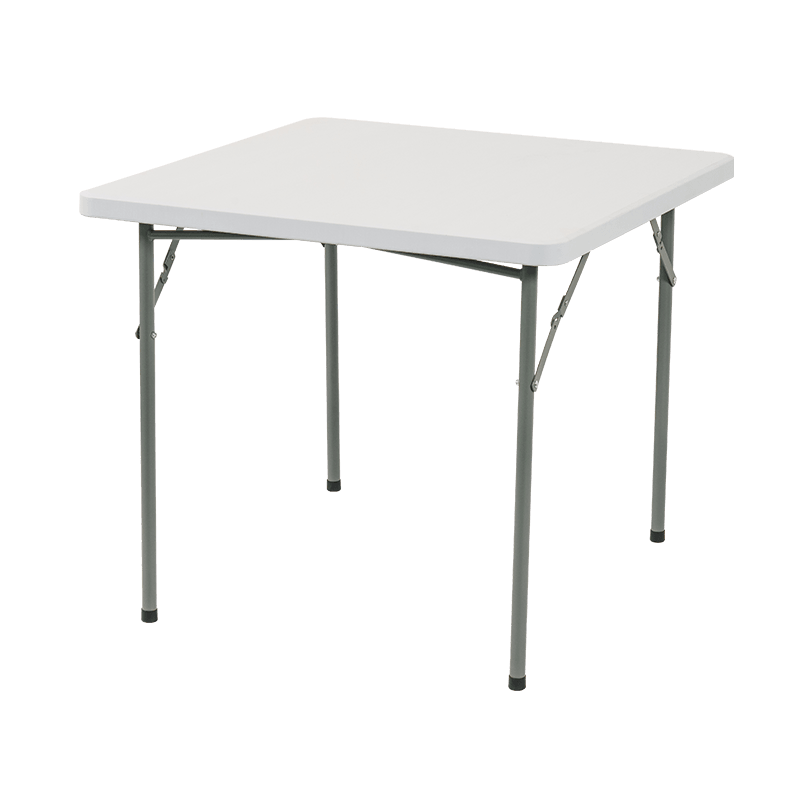
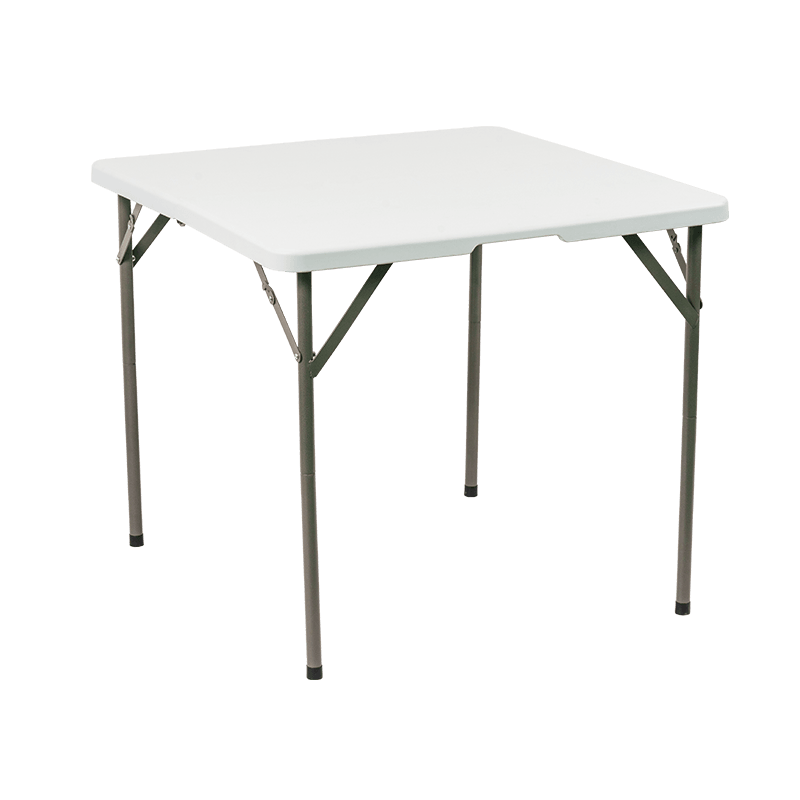
When borrowing or renting tables, always opt for one size larger than you think you need. A 72-inch round table is far more versatile than a 60-inch, and an 8-foot rectangular table accommodates more guests per square foot than a 6-foot. For events where you plan to use folding plastic tables, the weight capacity and surface durability become important. These tables are excellent for both indoor and outdoor events because they are easy to clean and store. For outdoor parties or weddings, our high-weight-capacity rectangular folding tables provide the stability needed for buffets and heavy centerpieces.
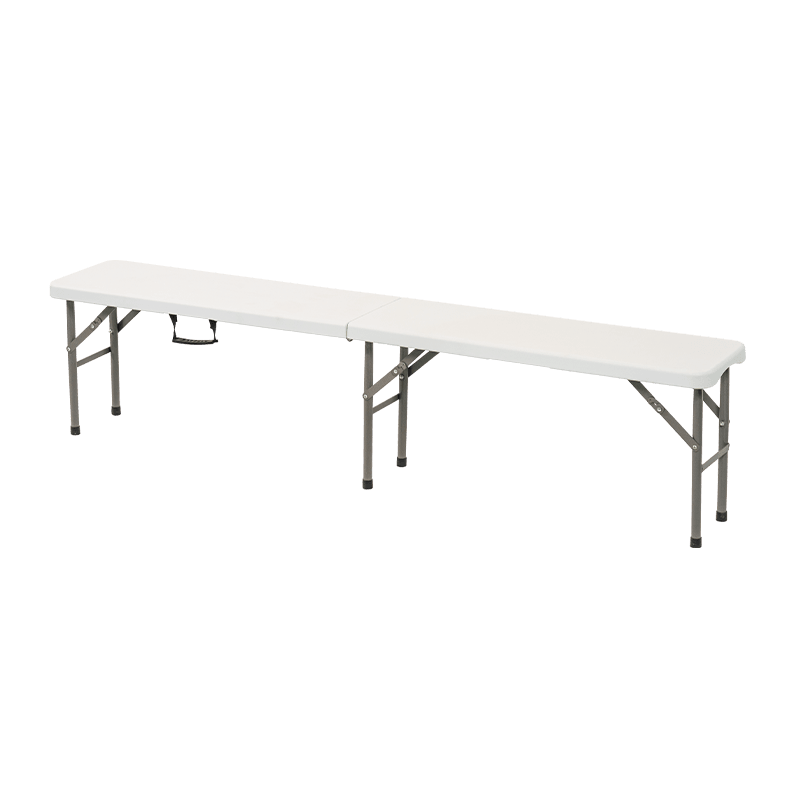
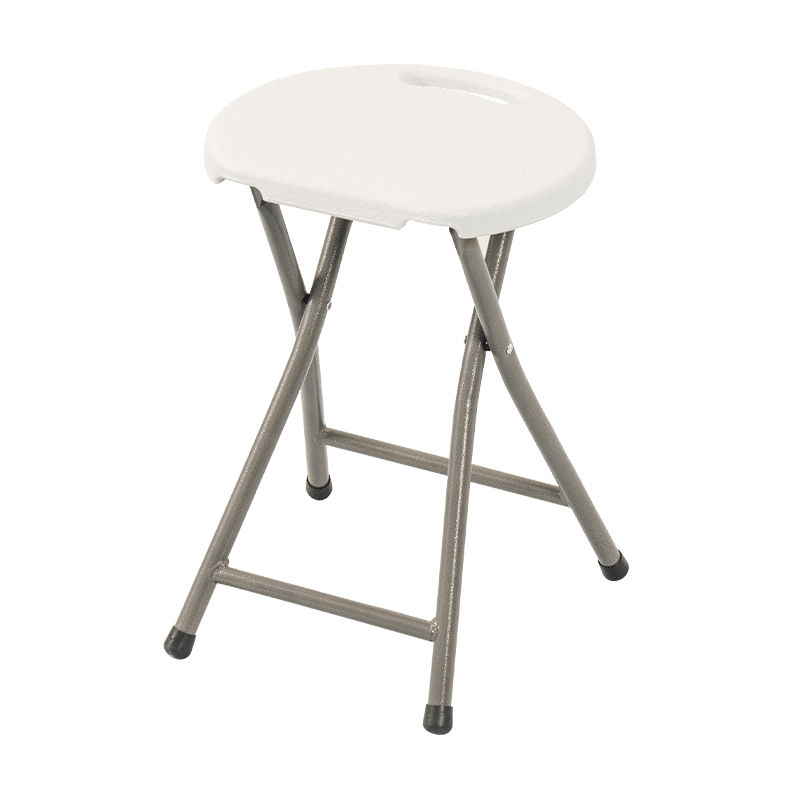
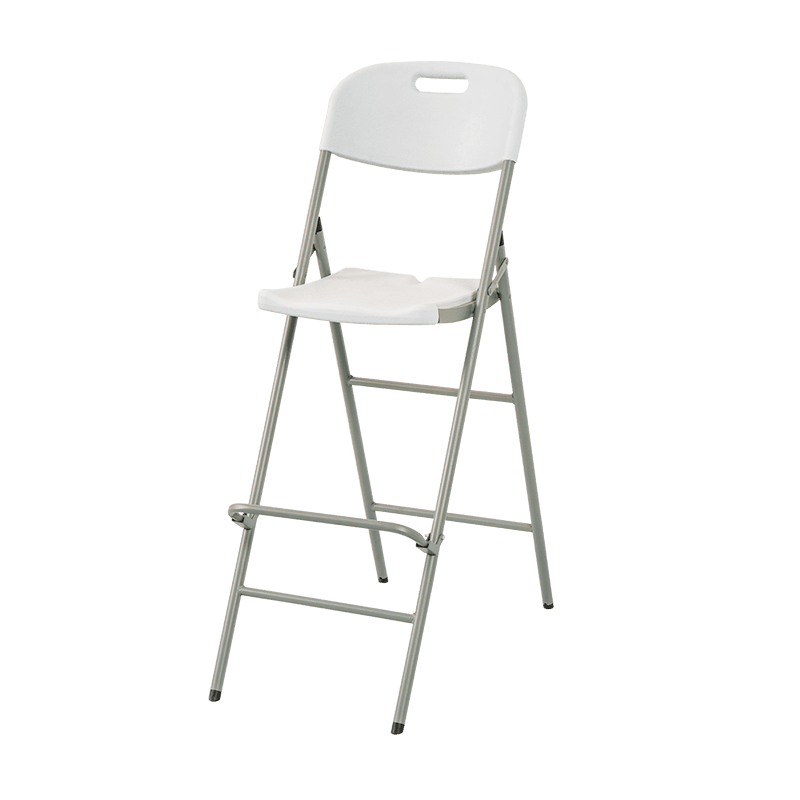
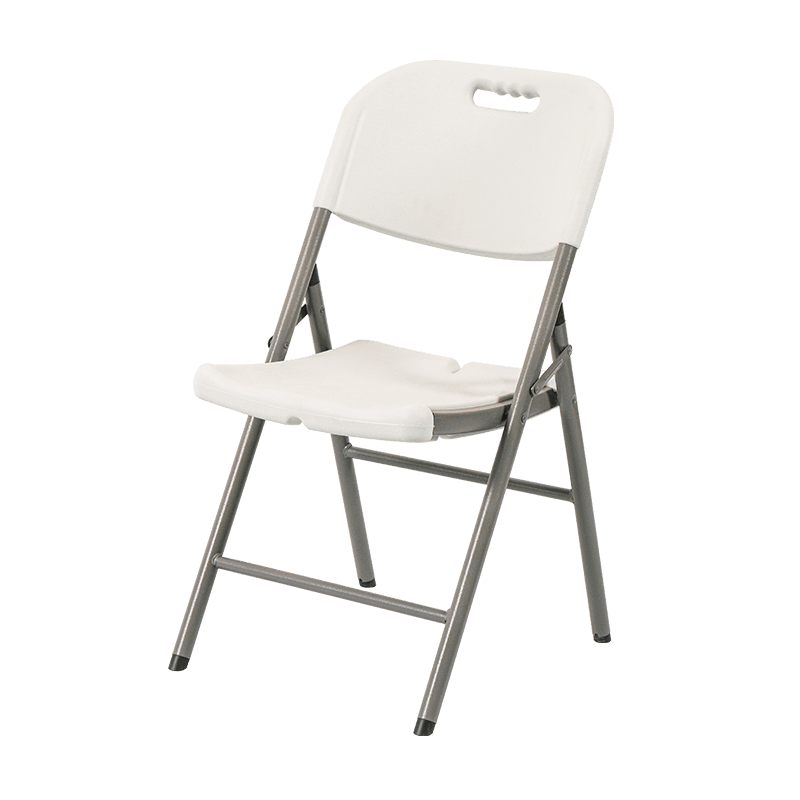
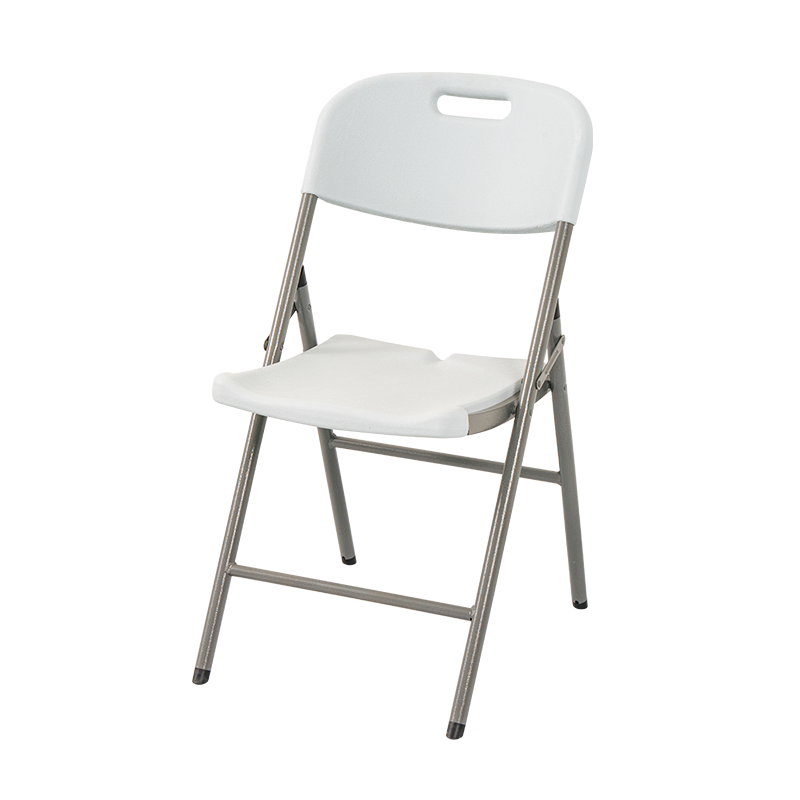
Seating is not only about tables. The portable folding furniture from our collection, including stacking chairs and foldable benches, can help you fit more guests into tight spaces. For example, using stackable event chairs alongside rectangular tables allows for a flexible layout that can be rearranged quickly if you realize you are one table short.
Final Word on Your 150-Guest Event
Start with the standard answer: 16 to 18 round tables (60-inch) or 21 to 23 rectangular tables (8-foot). Then, adjust based on your room shape, the type of meal, and how much space you want between guests. Do not forget to count chairs and plan for at least one extra table for gifts, a cake, or a sign-in station. By understanding these principles, you can confidently tackle the logistics of your event and focus on what matters most: the enjoyment of your 150 guests.
Featured Products Showcase