English
 中文简体
中文简体
Author: HUIRUI
Date: Sep 09, 2026
How Many Tables for 30 Guests? Your Complete Party and Event Sizing Guide
Content
You have just confirmed the 30th guest, the venue is booked, and the menu is finalized. The only planning number left is the furniture count: how many tables for 30 guests? For a fully seated event, count on four to six tables. Four 180 cm rectangular tables seat eight guests each, which gives you 32 seats. Five 152 cm tables seat six each, which gives you exactly 30. The right answer depends on table size, seating style, and how much room your venue allows — but the math is simpler than most hosts expect.
The Basic Formula: Divide the Guest List by Seats per Table
The fastest way to answer the question is straightforward division: take 30 guests, divide by the number of seats per table, and round up. Work through these three steps before you order anything:
- Choose the table size that fits your venue and service style.
- Confirm the seating capacity per table.
- Divide 30 by that number and round up to the nearest whole table.
Here is what the math looks like with the most common table sizes:
- 30 ÷ 8 guests per 180 cm table = 4 tables (two spare seats)
- 30 ÷ 6 guests per 152 cm table = 5 tables (exact fit)
- 30 ÷ 10 guests per 240 cm table = 3 tables (one spare seat)
These figures assume guests are seated on both long sides and at both ends. If you set tables against a wall and seat guests on one side only, plan on roughly twice the table length for the same guest count.
Standard seating capacities at a glance
| Table size | Typical capacity | Best use |
|---|---|---|
| 152 cm rectangular | 4-6 guests | Small dining groups and buffet side tables |
| 180 cm rectangular | 6-8 guests | Standard banquet and party dining |
| 240 cm rectangular | 8-10 guests | Large family-style or commercial events |
| 80 cm round | 2-3 guests | Cafe-style seating and conversation areas |
| 86 cm square | 2-4 guests | Compact layouts, camping, and outdoor catering |
The capacity range matters because comfort changes with chair width, table width, and how many place settings fit per side. The upper number works for buffet service and quick meals; the lower number suits seated dinners where guests need room for plates and conversation.
For a seated dinner, plan on roughly 60 cm of table edge per guest. A 180 cm table fits three guests per side with about 60 cm each, and the two end seats bring the total to eight. Family-style meals with shared platters feel more comfortable at the lower capacity of six.
Seating Style and Room Layout Change the Number
Before you settle on a final count, decide how the meal will be served. The serving format changes the required number of tables almost as much as the guest list itself:
- Fully seated banquet: every guest needs a chair at a dining table, so use the full capacity numbers above.
- Buffet or self-service: take away one dining table and add a dedicated service table for chafing dishes, drinks, and utensils.
- Standing reception with some seating: three tables can be enough if you mix rectangular tables and round cafe-style tables for smaller groups.
Spacing is the second variable. Allow at least 90 cm between table edges for chairs and foot traffic, and confirm that doors, aisles, and serving paths stay clear. A typical all-seated setup with four 180 cm tables needs a room of about 5 by 7 meters once chair space is added. Sketching the floor plan first prevents the most common mistake: a configuration that looks fine on paper but does not fit in the actual space.
Outdoor events add one more variable. On grass or gravel, table legs can sink or wobble, so check that the frames are stable on uneven ground and consider using leg levelers or extra ballast in breezy weather.
Recommended Setups for 30 Guests
These three setups cover the most common situations, from a backyard party to a catering job. Each uses a different table size so you can see how the count shifts for a 30-guest list.
Setup 1: four 180 cm rectangular tables for a banquet
Four 180 cm double-sided rectangular tables provide 32 seats, which leaves comfortable room for 30 guests plus place settings and serving platters. This layout works well as one long row, two rows of two, or four separate tables of eight.
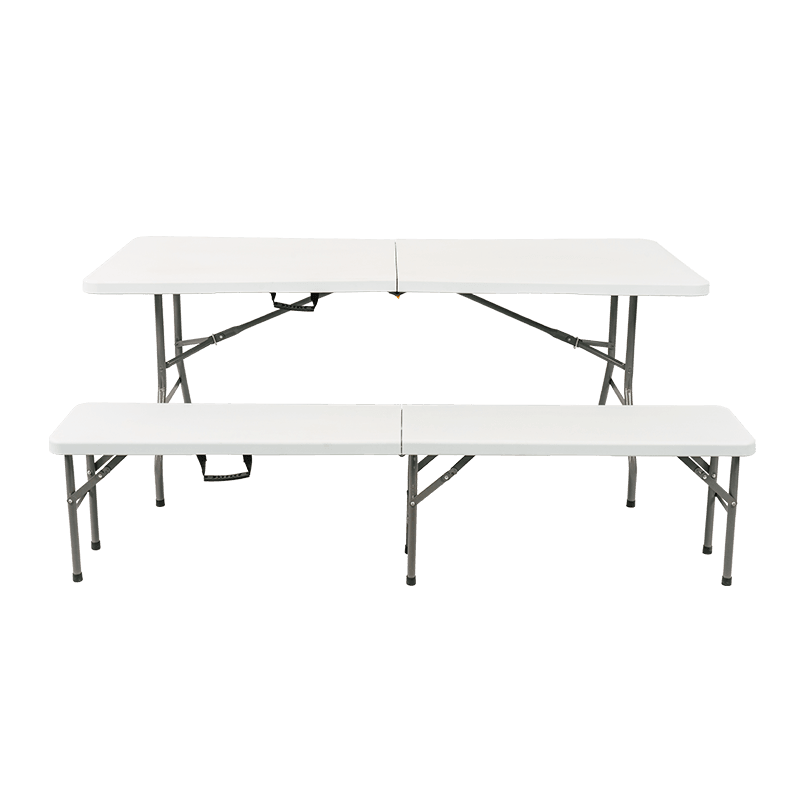 180cm Double-Sided Plastic Rectangular Dining Table for EventsThis rectangular table offers 32 seats across four tables, fitting 30 guests comfortably. Its double-sided plastic build resists moisture and stains, making it a practical choice for the banquet layouts described.View Product →
Setup 2: three or four 240 cm square tables for family-style dining
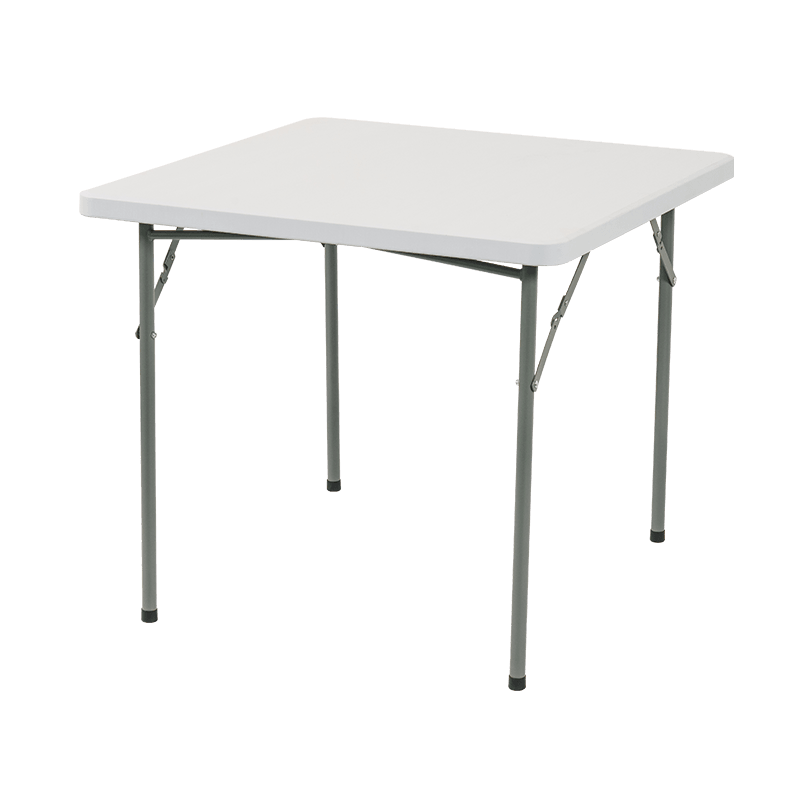
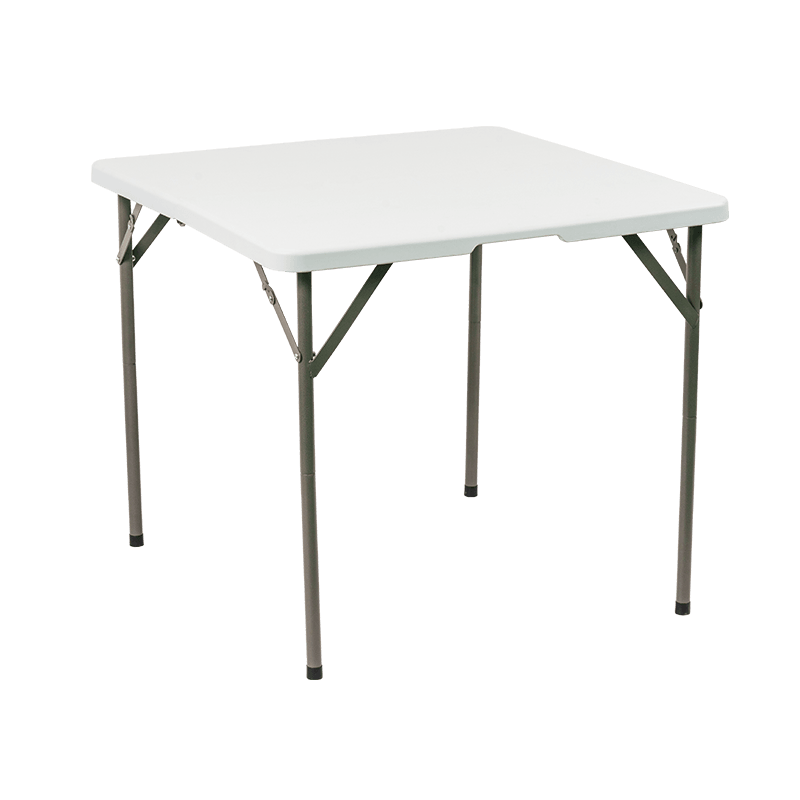
Three 240 cm square plastic folding tables seat 27 to 30 guests, while four tables give you extra surface space for shared dishes and a more relaxed pace. Square tables also combine neatly into a wide banquet block when the room allows.
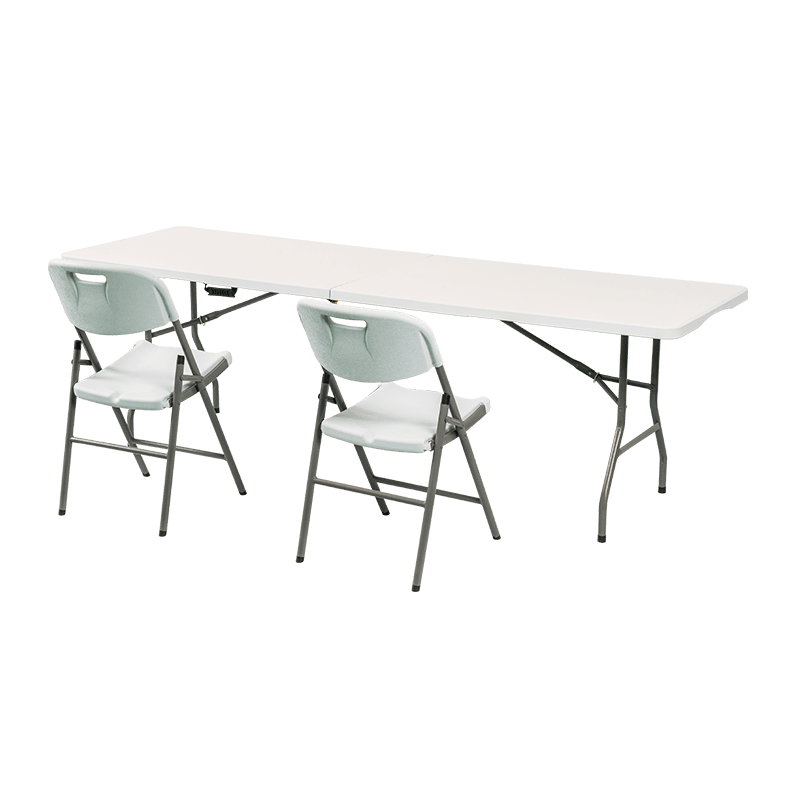 240cm Square Plastic Folding Table for Banquet SeatingThis square folding table seats up to 30 guests when combined with three units, offering flexible room arrangements. Its weather-resistant plastic surface simplifies cleaning and suits both indoor and outdoor gatherings.View Product →
Setup 3: add a 152 cm service table for buffets
When food is served buffet style, keep the dining tables at 30 guests max and add a 152 cm folding camping table for chafing dishes, drinks, and utensils. A separate service table keeps guests from queuing behind seated diners and protects the main tables from spills and heat marks.
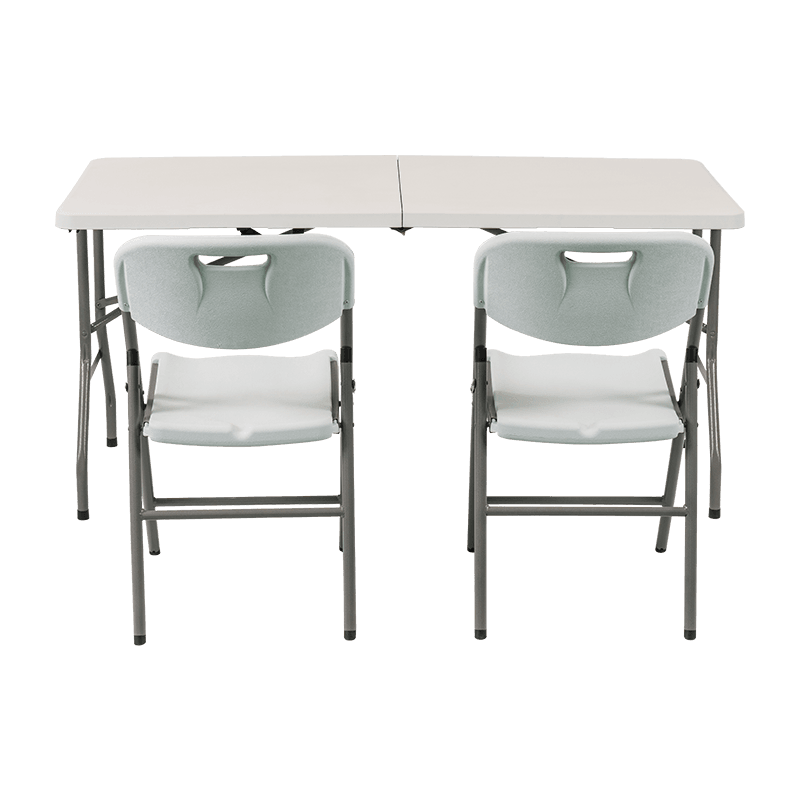 152cm Foldable Camping Self-Service Dining TableThis lightweight folding table is ideal for buffet service, holding chafing dishes, drinks, and utensils. Its durable aluminum frame and waterproof panels support up to 100 kg, keeping service separate from main dining tables.View Product →
You can also combine sizes. For example, three 180 cm tables and two 152 cm tables provide 36 seats and give you more layout flexibility than a single table size, especially when children need their own lower-capacity table.
Why Folding Tables Are the Practical Choice for 30 Guests
For a group of this size, plastic folding tables are the most adaptable option. They set up quickly, fold flat after the event, and store without taking over a garage or utility room. They also handle outdoor conditions, spilled drinks, and repeated cleaning far better than wooden or particleboard alternatives.
If you are equipping a venue, restaurant patio, or event business that regularly hosts groups of 30, review the folding plastic tables range and look for models with reinforced frames, UV-protected HDPE surfaces, and a high weight rating. In facilities with limited storage, space-saving folding furniture keeps the same seating capacity with a smaller footprint when tables are folded and stacked.
Commercial buyers should compare weight capacity before ordering. A table that seats eight at a party may need extra margin when it carries heavy platters, coolers, or stacked dishware. Pair the tables with folding chairs or benches from the same series so the storage stack stays uniform and replacement parts remain consistent.
If you only host one event per year, renting may be cheaper. Venues, caterers, and families who entertain regularly usually recover the cost of owning folding tables after a few events, simply because storage and setup become part of the standard routine.
Final Planning Checklist for 30 Guests
- Confirm the exact guest count and seating style before you order furniture.
- Calculate the base number using 30 divided by seats per table, then round up.
- Add one spare table for the buffet line, bar area, or gifts if space allows.
- Measure the room and keep at least 90 cm between tables for walkways.
- Choose foldable, stackable models that suit both indoor and outdoor use.
For most gatherings of 30 people, four 180 cm tables or five 152 cm tables are the reliable answer. Once the layout is confirmed and the table sizes match the event format, you can focus on food, guests, and timing instead of last-minute furniture math.
Featured Products Showcase