English
 中文简体
中文简体
Author: HUIRUI
Date: Sep 02, 2026
72 Inch Table Seats How Many? Sizing Guide for Round and Rectangular Tables
Content
Eight chairs arrive for a table that comfortably takes six, and the mismatch only becomes obvious once everyone is seated. That is why the question of how many people a 72 inch table seats has a two-part answer rather than a single number. A 72-inch round table seats 10 adults comfortably and 12 at the practical maximum, while a 72-inch rectangle, the familiar 6-foot banquet shape, seats 6, or 8 when both end positions are used. Which figure applies depends on the shape of the top, the width of your chairs, and whether the meal is plated or served buffet style. The sections below walk through the arithmetic behind those numbers, the factors that quietly shrink them, and what they mean when you are buying folding tables for a garden party, a restaurant terrace, or a full season of events.
The Short Answer: Round and Rectangle at 72 Inches
The same measurement produces very different seat counts because a round top distributes edge length evenly, while a rectangle concentrates it along two long sides. The figures below reflect the working numbers most rental operators and furniture manufacturers use when quoting capacity.
| Table Shape and Size | Comfortable Capacity | Maximum Capacity | Best Suited For |
|---|---|---|---|
| 72-inch round | 10 guests | 12 guests | Weddings, banquets, roundtable discussions |
| 60-inch round | 8 guests | 10 guests | Family gatherings, smaller dining zones |
| 72 x 30 inch rectangle (6-foot) | 6 guests | 8 guests | Family dining, buffets, training tables |
| 180 cm rectangle (metric 6-foot) | 6 guests | 8 guests | Garden parties, catering, commercial terraces |
A note on units: 180 cm converts to 70.9 inches, so a 180 cm folding table is functionally the same product as a 6-foot American model, and every seating count carries over. When comparing specifications across suppliers, it helps to check how long a standard folding table runs in both measurement systems before ordering chairs to match.
The Spacing Math Behind the Numbers
Every capacity chart starts from one rule: each adult needs roughly 24 inches, or 60 cm, of table edge measured along the perimeter. Give guests less than that and elbows collide; give them 30 inches or more and conversation across the table becomes a strain, so you end up paying for seats nobody wants to use.
Why a round top fits more people
A 72-inch round has a circumference of about 226 inches (72 x 3.14). Divide by 24 inches per guest and you get 9.4, which rounds up to ten seats at a pleasant squeeze. Push the count to twelve and each guest is working with about 19 inches of edge, which is workable for a buffet dinner where plates rest on laps, but tight for a plated meal with full glassware.
Why a rectangle fits fewer
A 72 x 30 inch rectangle offers only 144 inches of usable edge along its two long sides. At 24 inches per person, that is exactly six seats. Each 30-inch end can technically take one more diner, which is how the maximum of eight is reached, but end positions sit against the folding legs on most designs and they are the first seats to be dropped when the guest list grows or serving dishes need somewhere to land.
What Quietly Reduces the Count
The chart numbers assume nothing else competes for the table edge. In practice, several details trim a seat or two before the first guest sits down:
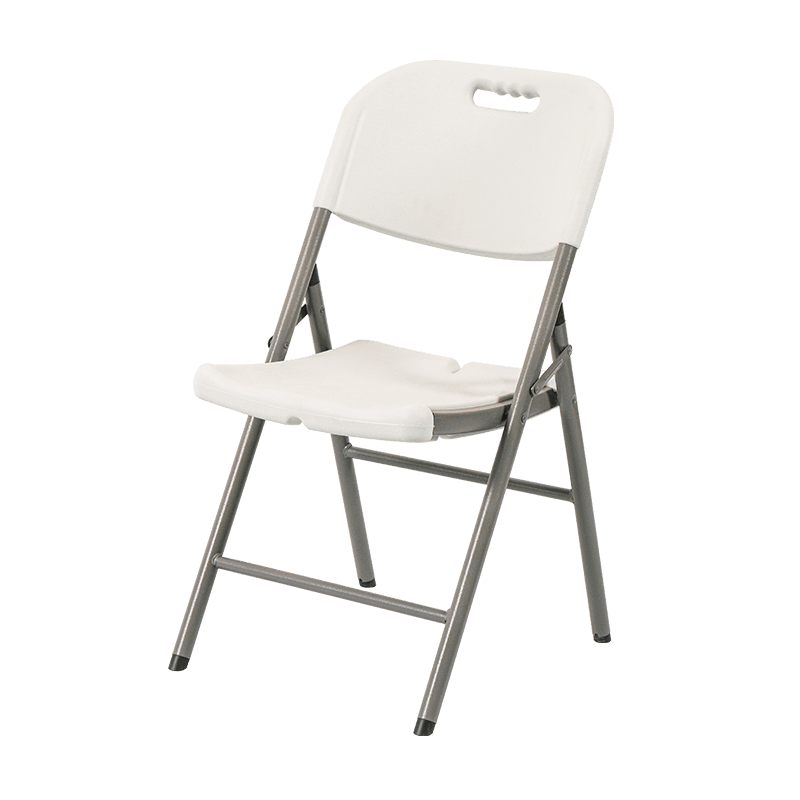
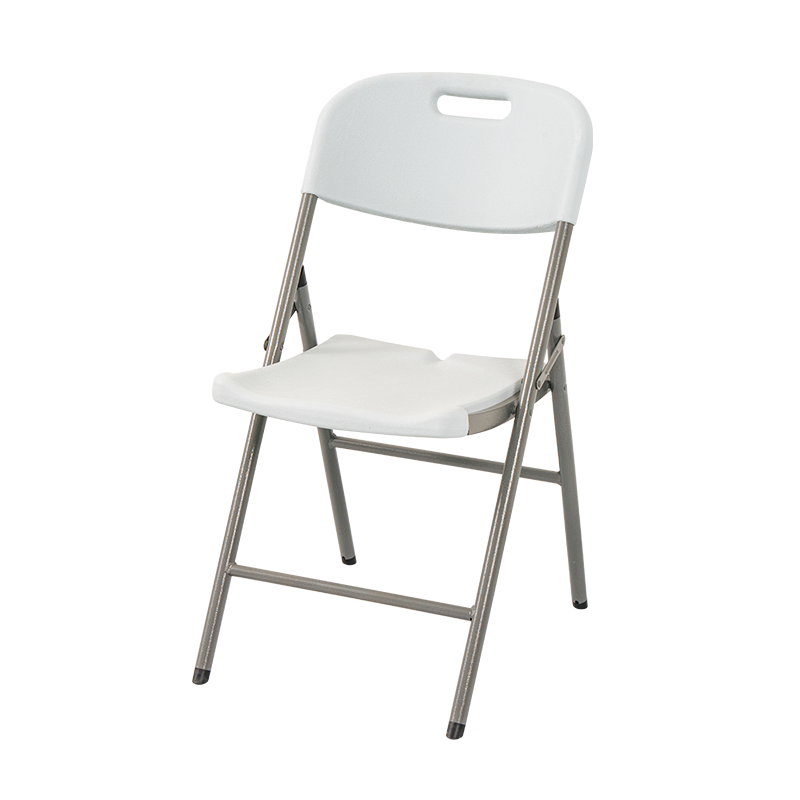
- Chair width: standard folding chairs run 17 to 18 inches across, but armchairs or wide resin models at 22 inches or more will rule out twelve seats around a 72-inch round.
- Place settings: a 13-inch charger plate plus cutlery and glassware claims up to 24 inches of frontage, which is why formal dinners are planned for ten rather than twelve.
- Centerpieces: a wide floral arrangement or sharing platter eats usable edge, so keep decor within the middle 12 inches of the top.
- Base and leg design: a pedestal base frees the entire perimeter, while folding legs at each corner block the end positions on rectangles.
- Guest mix: children need closer to 18 inches of edge, so family seating can run one or two above the adult figures.
Folding Tables: How the Numbers Work in Practice
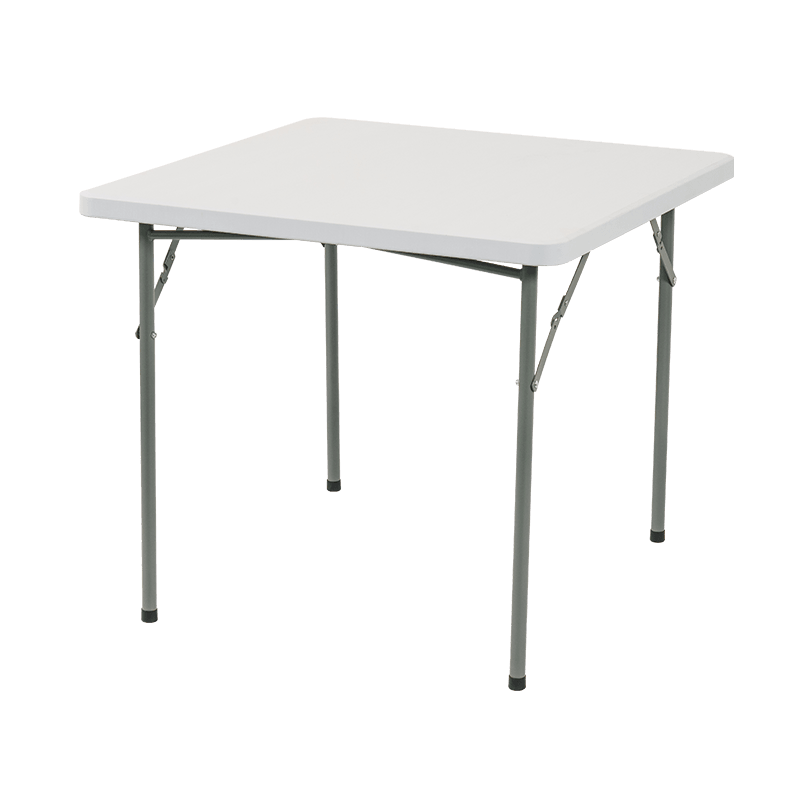
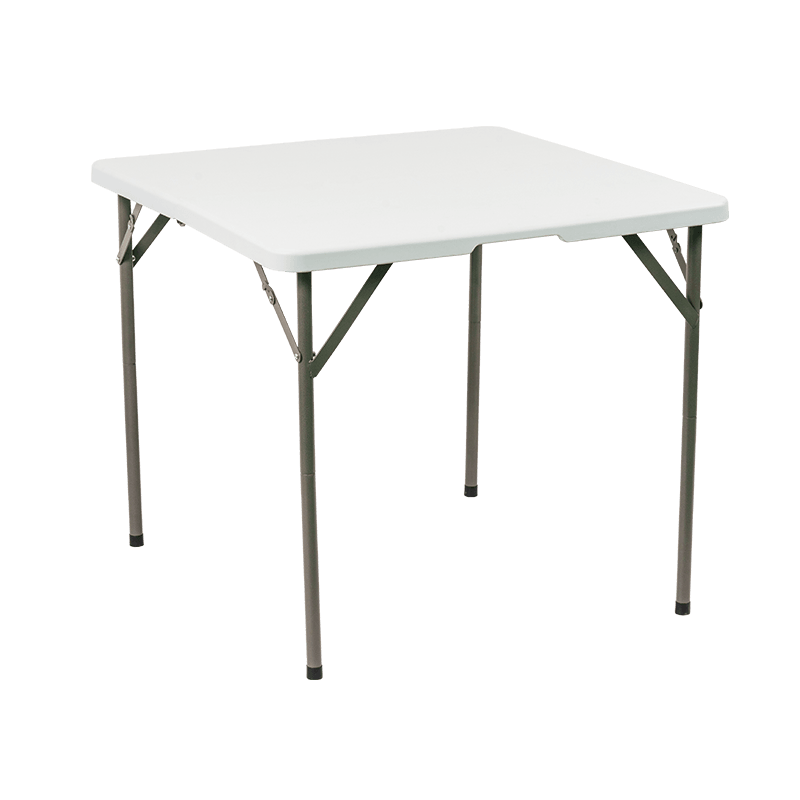
Plastic folding tables are the workhorses behind most of these seat counts, because the 6-foot folding rectangle is the standard unit that caterers, schools, and rental fleets build their inventories around. The seating logic is identical to any other 72-inch rectangle: three guests per side at a comfortable 24 inches each, with a sixth only when the headcount demands it.
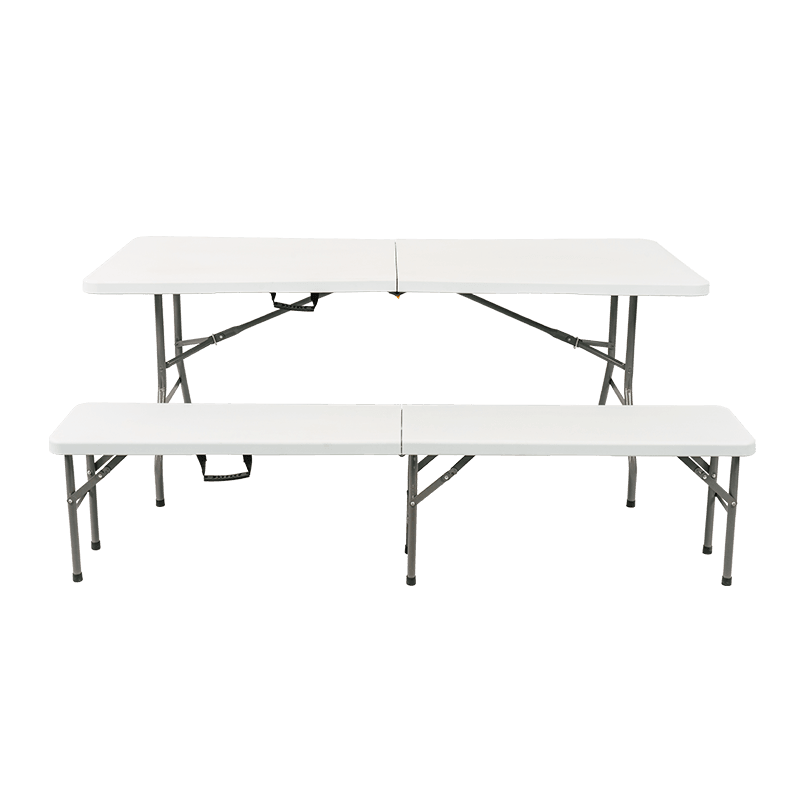 180cm Double-Sided Plastic Rectangular Dining TableA durable HDPE and polypropylene table with a waterproof, easy-clean surface and reversible double-sided design. It fits the standard 180 cm rectangle footprint seating three guests per side discussed in this section.View Product →
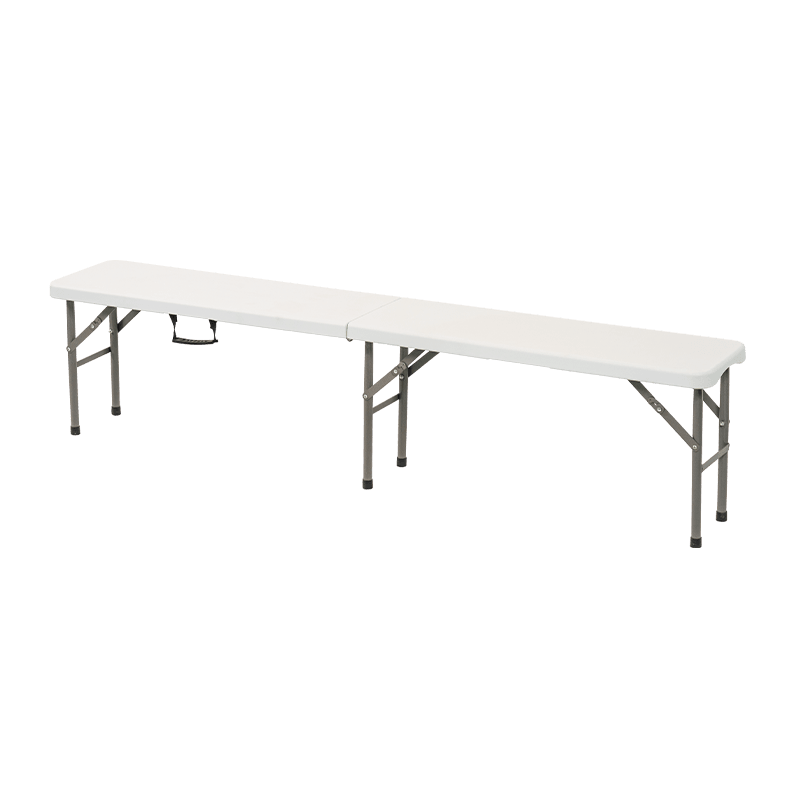
Benches change the arithmetic in a useful way. A 180 cm party bench matches the table length exactly, and because a bench seat naturally draws guests closer together, three adults fit per bench without the elbow friction you would get from three separate chairs.
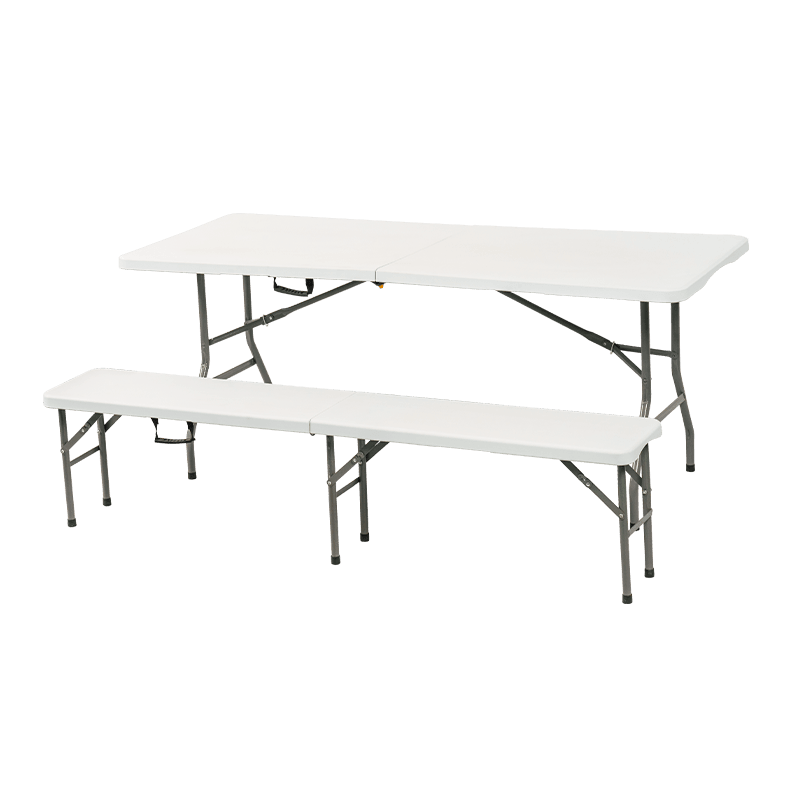 180cm Portable Party Folding BenchThis folding HDPE bench matches a 180 cm table's length and seats three adults comfortably per side. Anti-slip foot pads and a weather-resistant surface suit garden parties, canteens, and festival service setups.View Product →
Two benches paired with one 6-foot table produce a clean six-diner setup along the sides, which is why the combination is a staple for garden parties, staff canteens, and festival food service. When comparing options, check the load rating rather than assuming all plastic tops are equal: ten or twelve guests leaning in, resting arms, and loading serving dishes put real weight on the panel, and HDPE tops with reinforced frames handle that duty cycle far better than thin single-wall boards.
When Eight Seats Are Not Enough
If your typical headcount lands between eight and twelve, the 72-inch rectangle stops being the right unit. A 240 cm square table, about 94.5 inches across, bridges the gap: two diners per side gives eight comfortable places, and a third per side is possible for buffet-style service, though guests should stay within easy reach of shared dishes at the center.
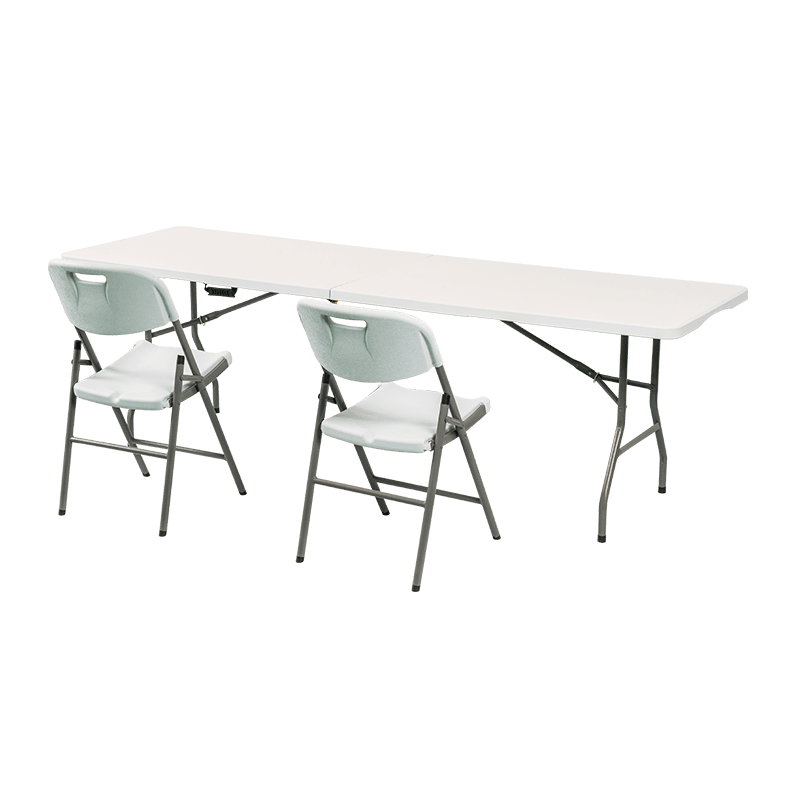 240cm Square Plastic Folding TableA 240 cm square folding table bridging the eight-to-twelve guest range, with two comfortable diners per side. Weather-resistant plastic, smooth cleaning, and a compact folding design suit rental and event use.View Product →
For round-table layouts, the equivalent upgrade path runs from a 60-inch round for eight guests to a 72-inch round for ten to twelve, so many event planners stock both sizes and choose per function. Square and rectangular tops remain easier to stack, transport, and line up in rows, which is why folding rental fleets overwhelmingly favor them despite the round table's friendlier conversation geometry.
Room Clearance: The Check That Comes After the Count
Seat capacity is only half of the calculation; the table also has to fit the room once chairs are pulled back and people walk past. Work through these clearances when laying out a floor plan:
- Allow 18 inches from the table edge for the chair itself, plus another 12 inches for a guest to push back and stand.
- Keep at least 48 inches between the edges of neighboring tables so guests can pass behind seated diners.
- Plan on 60 inches along any side where staff or buffet lines need to circulate.
Applied to a 72-inch round, those figures mean each table needs a zone of roughly 13 by 13 feet once chairs and circulation are included, while a 6-foot rectangle needs a footprint of about 9 by 5.5 feet before aisles. Sketching this before ordering prevents the most common failure mode in event setups: a dining area where the tables technically fit but nobody can reach their chair.
The headline figures are worth restating one final time: ten to twelve guests for a 72-inch round, six to eight for a 72-inch or 180 cm rectangle, with the lower number always the safer plan for seated meals. For buyers furnishing venues or building a rental inventory, the practical checklist is short: fix the meal style first, match chair width to the target count, verify load ratings against the heaviest realistic scenario, and confirm the folded profile fits your storage between events. Contract buyers sourcing chairs alongside tables should also review contract-grade outdoor seating, because seating that survives daily commercial turnover matters as much to the final seat count as the table itself. Getting these details right at the specification stage costs far less than discovering them with twelve guests and ten place settings on the table.
Featured Products Showcase