English
 中文简体
中文简体
Author: HUIRUI
Date: Aug 26, 2026
Outdoor Plastic Folding Table Buying Guide: Sizes, Weight Limits, and More
Content
A 240 cm square plastic folding table looks like a practical buy on paper. But when it arrives, you realize it is too wide for your storage room, the legs wobble on uneven grass, and the surface scratches the first time you slide a metal chair across it. This is a common purchasing mistake. Outdoor plastic folding tables are not one-size-fits-all pieces of equipment. They differ in dimensions, weight limits, frame construction, and weather resistance. Knowing what to check before you buy saves you from wasting money on a table that does not fit your actual use case.
Why an Outdoor Plastic Folding Table Is Worth Considering
An outdoor plastic folding table earns its place in a home, campsite, or commercial space because it solves two problems at once: portability and storage. Unlike fixed wooden or metal tables, a folding model can be collapsed in seconds and stored against a wall, under a bed, or in a car trunk. That makes it suitable for occasional use, seasonal events, and spaces where a permanent table would be impractical.
The material choice matters too. Plastic tables are lighter than wood or steel, which means you can move them without help. They do not rot, rust, or splinter, and they handle rain and sun far better than untreated timber. A well-made plastic folding table is also easier to clean than fabric-topped or heavily textured tables. You can wipe down spilled drinks, food, and mud with a damp cloth. This combination of lightness, weather resistance, and low maintenance is why these tables appear in gardens, campsites, party venues, and even offices.
That said, not every plastic folding table delivers the same performance. The differences are in the details: the type of plastic, the folding mechanism, the leg design, and the load capacity. Understanding these factors helps you choose a table that lasts for years rather than one that becomes wobbly after a few uses.
Key Specifications to Check Before Buying
Before you compare models, you need to know which specifications matter. The table below summarizes the main points to evaluate when shopping for an outdoor plastic folding table. Use it as a quick reference, then read on for a more detailed explanation.
| Specification | What to Look For | Why It Matters |
|---|---|---|
| Tabletop material | HDPE or polypropylene plastic | Determines durability, UV resistance, and ease of cleaning |
| Frame construction | Steel or reinforced plastic legs | Affects stability and maximum weight capacity |
| Folded dimensions | Compact enough for your storage space | Defines how easy it is to store and transport |
| Weight capacity | 50 kg to over 200 kg depending on model | Determines what you can safely place on the table |
| Surface texture | Smooth or lightly textured | Influences cleaning effort and scratch resistance |
| Foot design | Anti-slip pads or adjustable feet | Improves stability on uneven surfaces |
Tabletop Material and Construction Quality
The plastic used for the tabletop is the first thing to check. High-density polyethylene, commonly abbreviated as HDPE, is a solid choice for outdoor furniture because it resists moisture, UV light, and impact. Tables made from this material are also easy to wipe down, which is useful after a barbecue or a kids' painting session. Polypropylene is another common plastic used in folding tables. It is lightweight and affordable, though it may not be as rigid as HDPE in larger table sizes.
Look at the underside of the tabletop as well. A flat, slightly reinforced underside with ribs or cross-bracing indicates that the manufacturer has considered structural strength. A smooth underside without reinforcement can flex under heavy loads, making the table feel unstable.
Frame and Folding Mechanism
The frame is what holds everything together. Steel legs provide the best stability and load-bearing capacity, but they add weight. If you plan to carry the table to a campsite or market stall, a table with a lighter frame may be more practical. Some manufacturers use a combination of a plastic tabletop and a steel frame to balance strength and portability.
The folding mechanism is equally important. Look for a locking system that keeps the table securely open during use. Tables that use a simple scissor fold or a center hinge are common. The mechanism should click into place without excessive force, and the legs should lock firmly when open. A table that folds accidentally while in use is a safety hazard, so test the mechanism if you can.
Dimensions: Size, Height, and Portability
Dimensions affect how and where you can use the table. A compact model such as an 80 cm round table is suitable for a small balcony, a coffee corner, or a two-person picnic. A 122 cm lightweight folding table works well for general household use and car camping. For larger gatherings, a 152 cm camping buffet table or a 180 cm rectangular dining table provides enough space for several people and dishes. A 240 cm square table is the largest option and is best for events where you need maximum surface area, such as exhibitions, buffets, or group activities.
Height is another factor. Standard folding tables have a height of approximately 70 to 75 cm, which pairs well with typical folding chairs. Some models come with adjustable legs to accommodate different seating arrangements or uses. If you need a table for standing service stations or bar areas, check the height range before buying.
Portability is not just about weight. A table with a built-in handle or a compact folded shape is much easier to carry. Some designs fold down to a flat panel, while others fold in half to reduce the length. Consider your vehicle size and storage space when evaluating portability.
Stability and Weight Capacity
Stability is a common concern with outdoor plastic folding tables, especially on uneven ground. The table legs and foot design play a large role. Anti-slip foot pads help prevent the table from sliding on smooth surfaces, while some models have adjustable feet that can be screwed in or out to level the table on slopes. If you plan to set up your table on grass, gravel, or sand, look for models with wider feet or rubberized pads for better grip.
Weight capacity is a specification that is often overlooked. A standard plastic folding table may support from 50 to 100 kg, while heavy-duty models can hold more than 200 kg. Think about what you will place on the table. A table intended for a buffet with heavy platters, coolers, or a sewing machine requires a higher capacity than one used for card games or light snacks.
Do not rely on the stated weight limit alone. Consider the tabletop area and how the weight is distributed. A concentrated heavy load in the center of a large table can cause flexing or even collapse, even if the overall weight is within the limit. If you expect to place heavy items consistently in one spot, choose a table with a reinforced frame and a thick tabletop.
Weather Resistance and Long-Term Durability
An outdoor plastic folding table will face sun, rain, and temperature changes if used outside. UV radiation is the biggest long-term enemy of plastic furniture. Over time, unprotected plastic can fade, become brittle, and crack. Look for tables that specify UV-protected or UV-stabilized plastic, especially if your table will stay outdoors for extended periods.
Water resistance is less of a concern with plastic tops, but you should still check how the table handles moisture. A table with a sealed or smooth surface will not absorb water, but water can collect in the frame joints or folding mechanisms. Drying the table before folding it for storage prevents rust on steel frames and keeps the mechanism functioning smoothly.
Temperature changes also affect plastic. In extreme heat, a dark-colored tabletop may warp or soften slightly. In freezing temperatures, some plastics become brittle and more prone to cracking on impact. If your climate has harsh seasons, consider a table made from a material that tolerates temperature swings.
For easy cleaning, a smooth surface is best. Textured surfaces hide scratches better but can trap food and dirt, making them harder to wipe down. Many outdoor plastic folding tables receive a stain-resistant finish that allows you to remove marks with mild soap and water. Avoid abrasive pads and harsh chemical cleaners, which can dull the surface over time.
Choosing the Right Size for Your Use Case
To help you decide which size of outdoor plastic folding table suits your needs, review the common use cases below. These are not strict rules, but they reflect the way most people use these tables in real life.
Small Round Tables for Balconies and Meetings
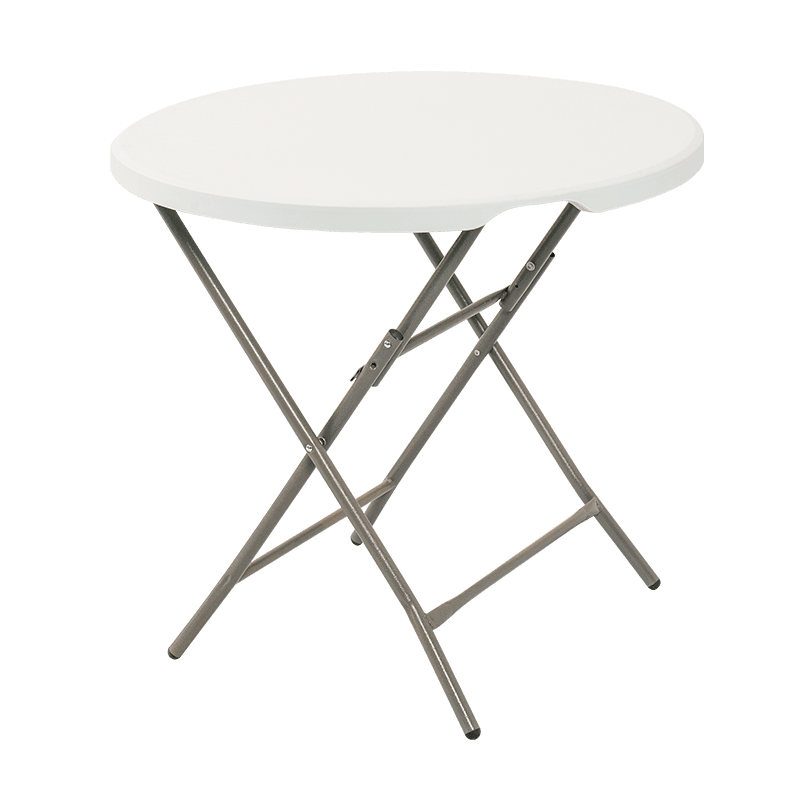
Compact round tables in the 80 cm range suit balconies, small terraces, and informal meetings. Their circular shape encourages conversation and fits into tight corners. A minimalist 80 cm round folding table works well when you need a light, space-saving surface for two to four people. It is also easy to move indoors when the weather turns.
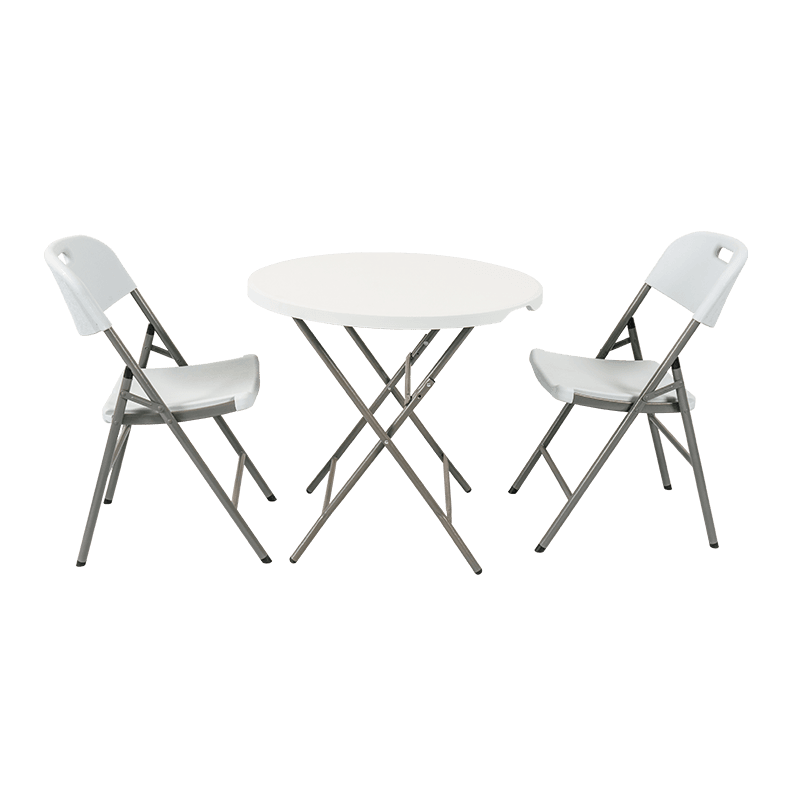 OEM Minimalist Negotiation Small Round Table Manufacturers, SuppliersAs China 80cm Minimalist Negotiation Small Round Table manufacturers and suppliers, Yuyao Huirui Leisure Products Co., Ltd offer OEM/ODM ...View Product →
Medium Rectangular Tables for Camping and Home Use
Rectangular tables between 122 cm and 152 cm are the most versatile. They are long enough for dining, meal prep, or display purposes, yet they remain manageable to carry and store. A 122 cm table fits well in a car trunk and is a reliable choice for picnics, tailgating, and small gatherings. If you regularly host outdoor meals, a 152 cm camping table offers more surface area without being too heavy.
Large Tables for Events and Commercial Use
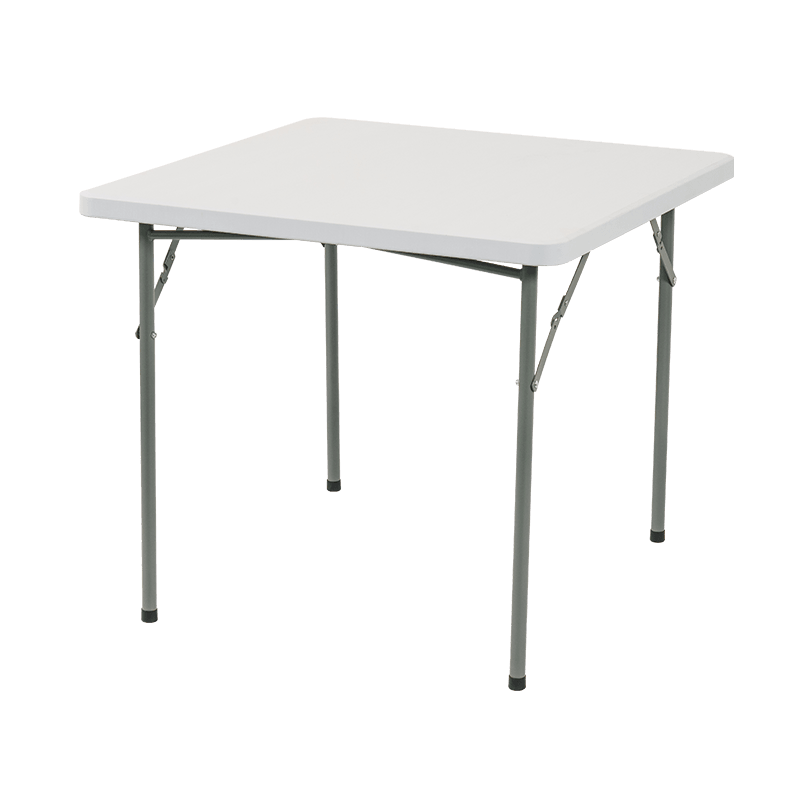
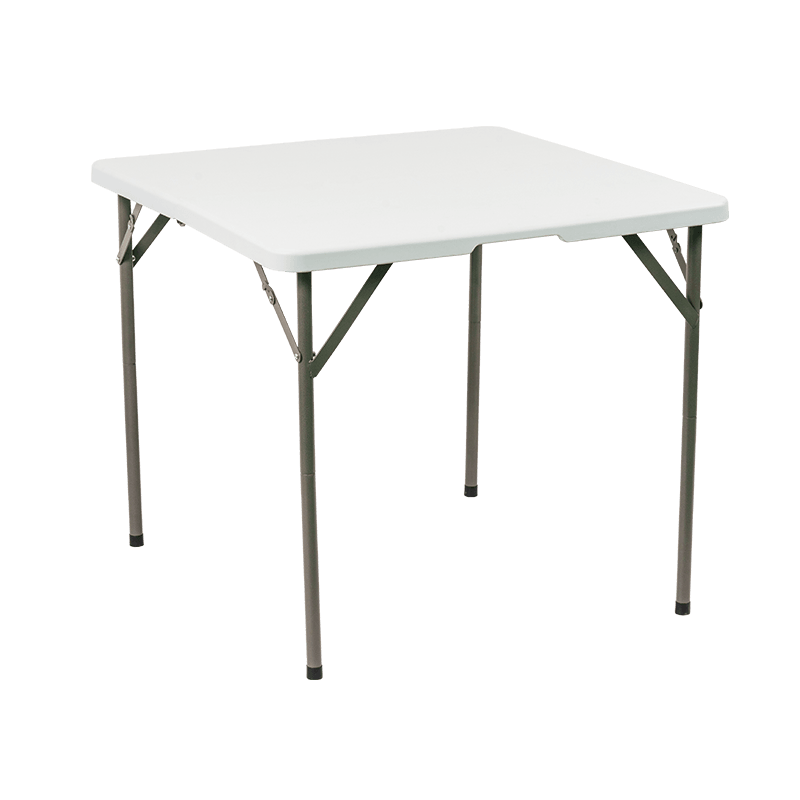
Larger tables, such as 180 cm or 240 cm models, suit events, exhibitions, buffets, and family reunions. They can seat more people or hold more food and equipment. However, they are heavier and take up more storage space. If your use case involves frequent setup and takedown, consider a 240 cm square plastic folding table for maximum coverage at large gatherings, or a 180 cm double-sided rectangular dining table when you need a long, practical surface with quick folding.
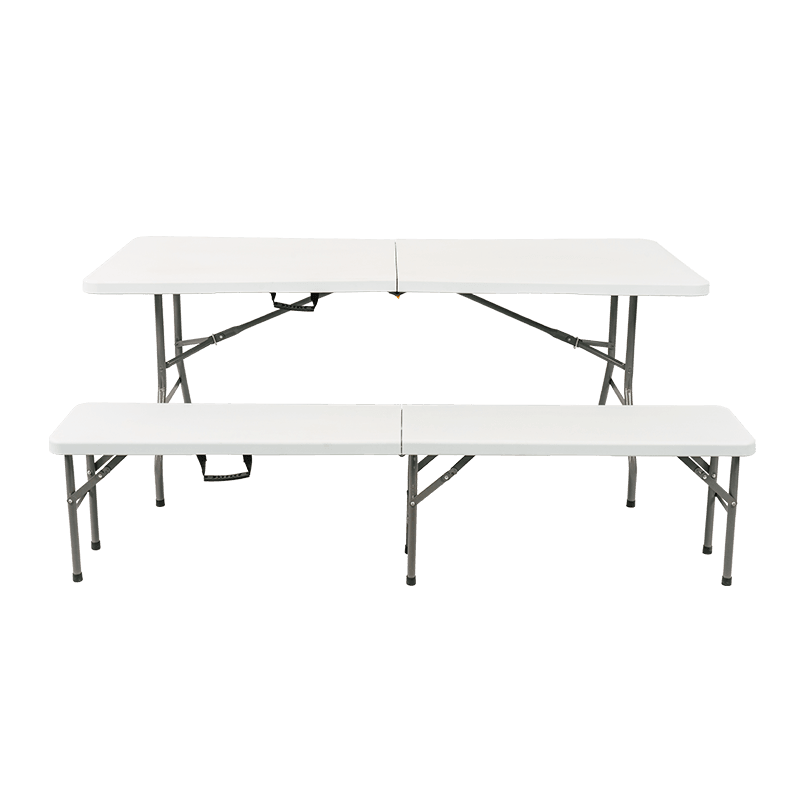 Wholesale 180cm Double-Sided Plastic Rectangular Dining Table Suppliers, ManufacYuyao Huirui Leisure Products Co., Ltd is China wholesale 180cm Double-Sided Plastic Rectangular Dining Table Manufacturers and 180cm Dou...View Product →
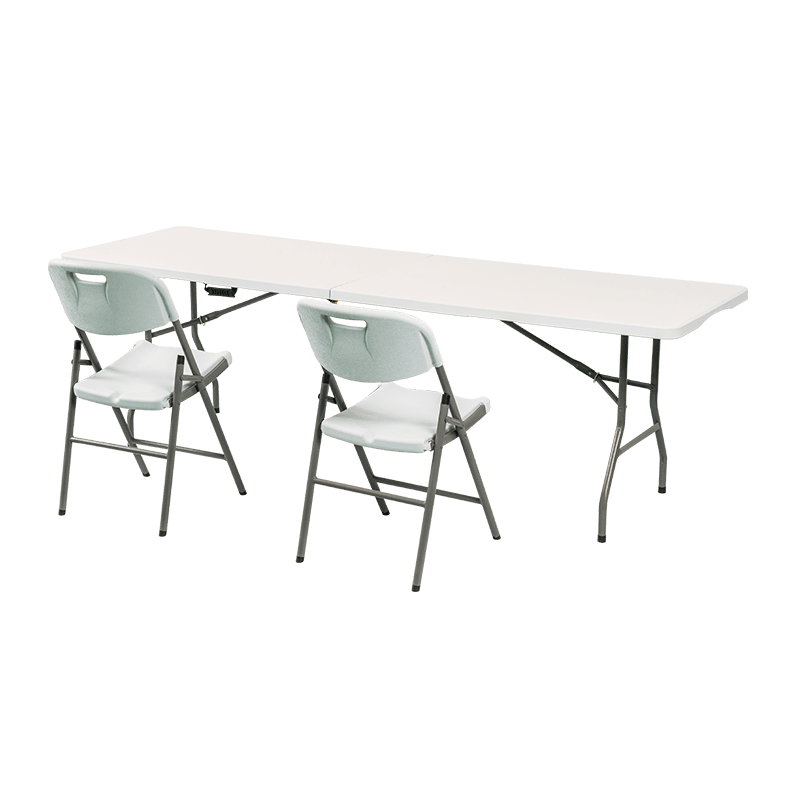 OEM/ODM 240cm Square Plastic Folding Table Manufacturers, SuppliersYuyao Huirui Leisure Products Co., Ltd is China 240cm Square Plastic Folding Table manufacturers and suppliers, we offer OEM/ODM Square P...View Product →
Practical Buying Advice
When you compare models, start by writing down your primary use case. A table that works well for a weekend camping trip may not be the best choice for a commercial catering event. Then check the specifications that we have covered: dimensions, folded size, tabletop material, frame type, weight capacity, and weather resistance. These metrics answer most of the questions buyers have.
Here are a few practical recommendations to keep in mind:
- Measure your storage space and your car trunk before ordering. A table that folds to a smaller size is easier to live with.
- Check the table height for seated use. If you already own chairs, make sure the height pairs comfortably.
- Look for anti-slip feet or adjustable legs if you will use the table outdoors on uneven ground.
- Prioritize UV-protected plastic if the table will stay outdoors for extended periods.
- Consider weight capacity in relation to how you will load the table. Heavy items require a sturdier frame.
- Clean the table after outdoor use, especially before folding it for long-term storage.
- If you plan to use the table for commercial purposes, look for contract-grade construction and materials that withstand frequent handling.
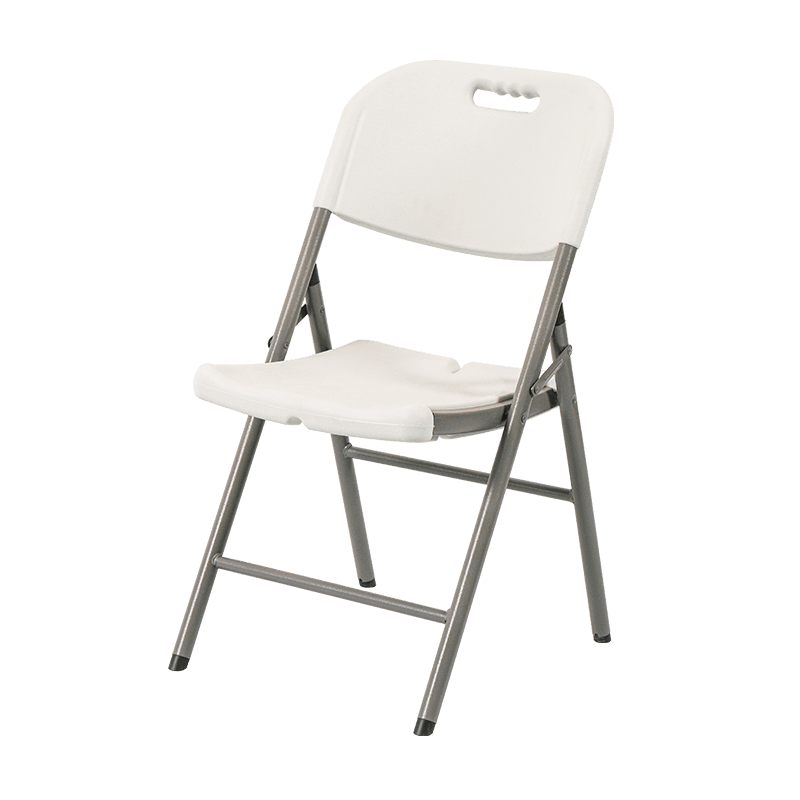
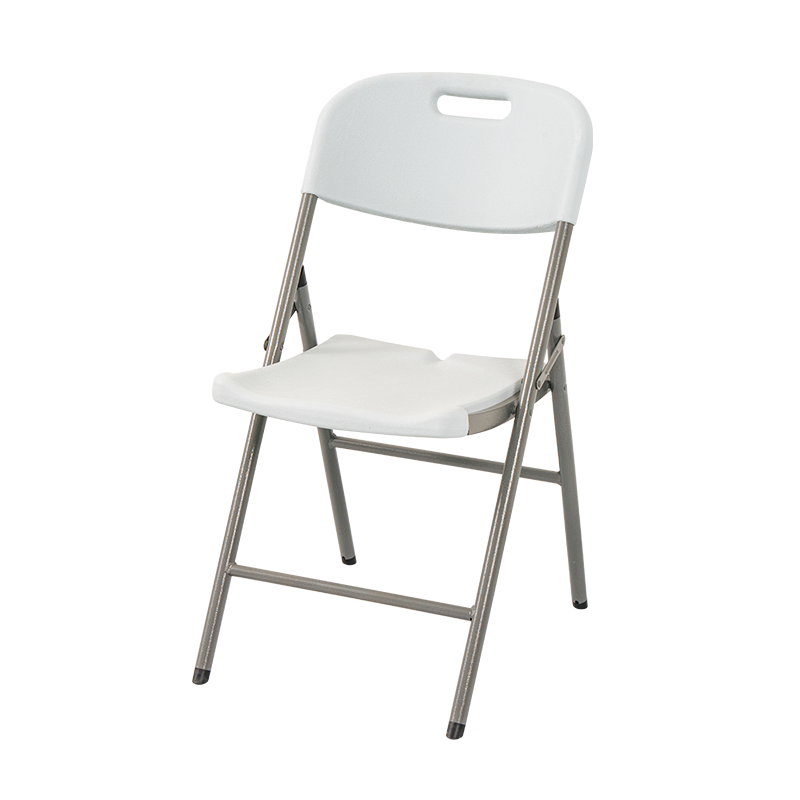
A quality outdoor plastic folding table is not complicated, but it does require a small amount of technical understanding. Verify the tabletop plastic, check the frame, confirm the dimensions and weight limit, and think about the environment where the table will be used. With those factors in mind, the right table becomes a dependable piece of equipment for years of outdoor dining, camping, and entertaining. For families and businesses looking for reliable options, exploring a dedicated folding plastic table collection can simplify the selection process. Those who need sturdy outdoor furniture may also benefit from reviewing heavy-duty folding seating to complete their setup, and buyers managing large events can save by ordering through bulk order options for chairs and tables alike.
Featured Products Showcase