English
 中文简体
中文简体
Author: HUIRUI
Date: Aug 19, 2026
Collapsible Stool vs Traditional Folding Stool: Which One Should You Choose?
Content
Picture the moment you actually need a stool: the car is packed for a camping trip, an event space needs forty extra seats, or the kitchen needs a low step for the top shelf. The same question comes up every time — should you buy a collapsible stool or a traditional folding stool? The short answer, based on what we see every day in our folding stool factory, is that neither design is universally better. Choose a collapsible stool when packed size and carrying comfort are the deciding factors. Choose a traditional folding stool when stability, load capacity, and longer sitting comfort matter more. Here is why.
What Counts as a Traditional Folding Stool?
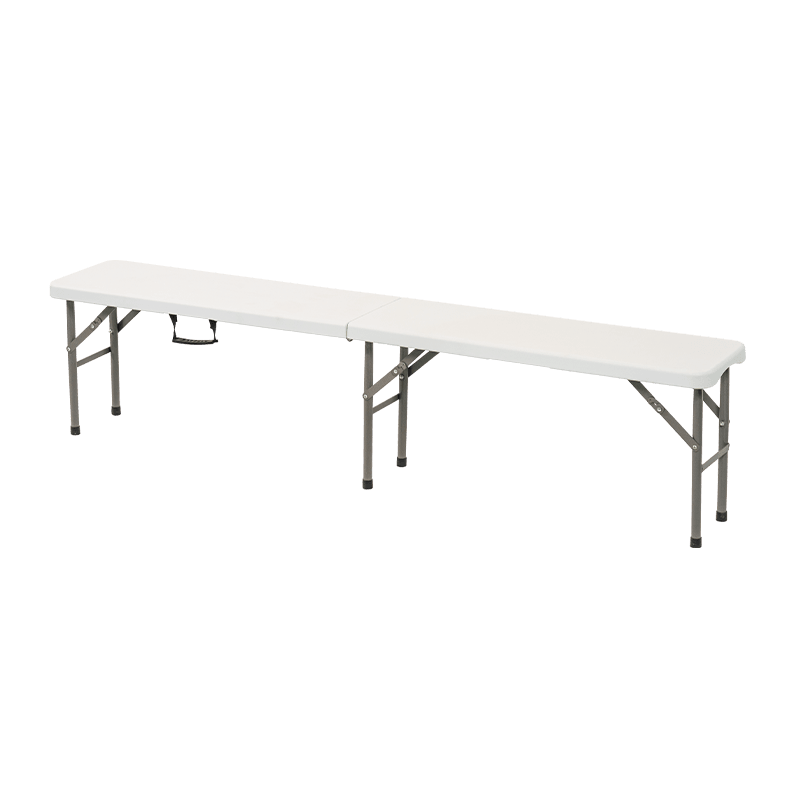
Traditional folding stools rely on an X-frame or scissor mechanism. Two leg sets pivot at a central point, and the seat locks into place when the legs open fully. This mechanism has been around for decades because it is dependable: it opens in one motion, distributes weight evenly through the legs, and handles a wide range of body sizes without flexing. In our folding stools and benches line, the traditional approach shows up in products like the 180cm portable party folding bench, where a full-width seat and multiple leg supports are built for heavy, repeated use at catered events and gatherings. The real drawback is folded size. Even closed, an X-frame stool forms a flat, board-like package that does not fit easily into a backpack or a crowded car.
How a Collapsible Stool Is Different
A collapsible stool works on a different principle. Instead of legs that swing sideways, it telescopes or nests into a compact stack of segments, shrinking to a fraction of its open height. The best collapsible models pack down to about the size of a bottle of water, which makes them the natural choice for hikers, commuters, photographers, and anyone who carries a seat just in case. Compactness has a cost, though. Collapsible stools typically offer a smaller seat surface, a shorter leg height, and a segmented design with more parts that can wear over time. For ten-minute sitting breaks, those compromises are easy to live with. For a long fishing session or a full afternoon standing in line, they become hard to ignore.
Portability and Packed Size
Portability is the main reason buyers compare these two designs at all, so it helps to put real numbers on the difference. The table below shows typical values for plastic models in both categories.
| Feature | Traditional Folding Stool | Collapsible Stool |
|---|---|---|
| Packed shape | Flat rectangle | Short cylinder or flat disc |
| Packed thickness | 5 to 10 cm | 3 to 6 cm |
| Typical weight | 1.5 to 3 kg | 0.5 to 1.5 kg |
| Carry method | Handle or side strap | Carry bag or pouch |
| Setup time | 1 to 2 seconds | 3 to 10 seconds |
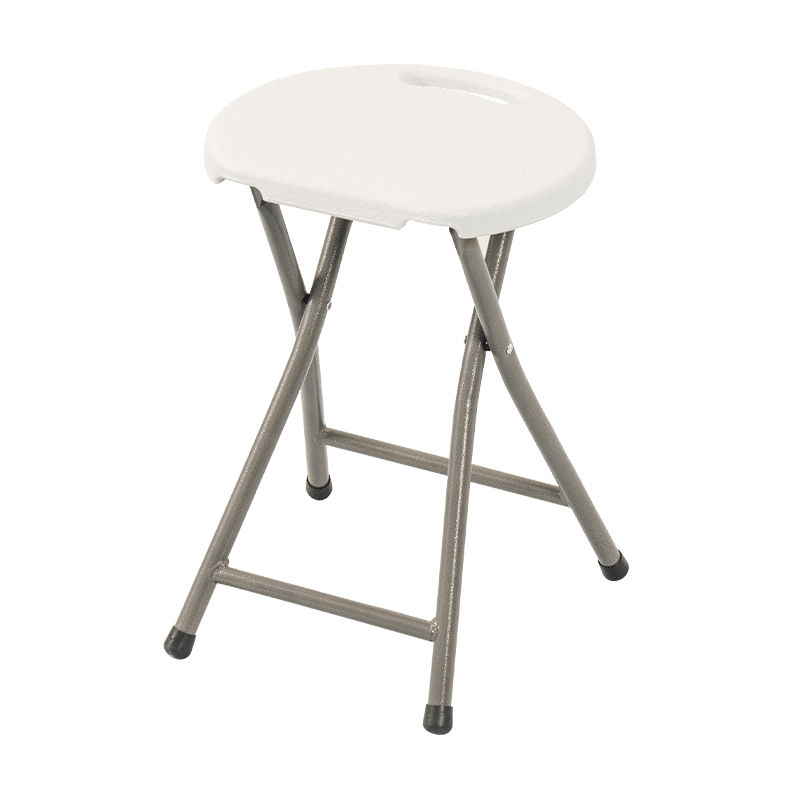
A traditional stool with a carry handle, such as our grey-handle foldable camping stool, remains a practical grab-and-go option for picnics, sideline seating, and outdoor work. But it still takes up a flat, board-like footprint in a car trunk or storage closet. A collapsible stool can disappear into a side pocket of a backpack, which is why it wins whenever space is the limiting factor. Space-saving folding furniture has become more popular for exactly this reason: people want seating that takes up almost no room when it is not in use.
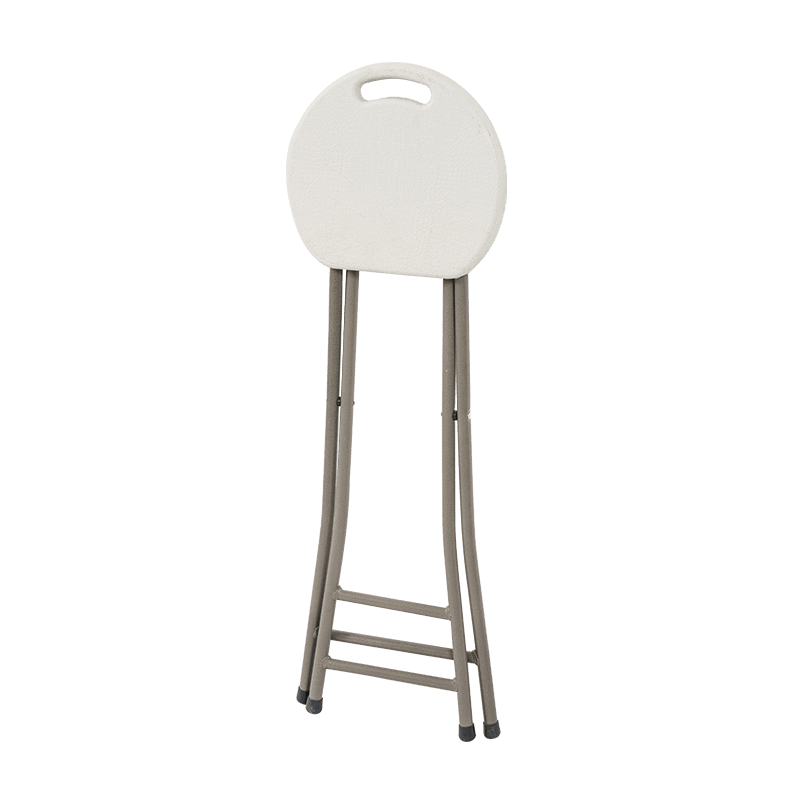 Wholesale Grey Handle Foldable Camping Stool Suppliers, Manufacturers - Yuyao HYuyao Huirui Leisure Products Co., Ltd is China wholesale Grey Handle Foldable Camping Stool Manufacturers and Grey Handle Foldable Campi...View Product →
Strength and Load Capacity
Traditional folding stools take the lead in raw strength. An X-frame creates a direct load path from the seat to the ground, and with steel or reinforced HDPE plastic components, a well-built traditional stool supports 120 to 150 kg without noticeable flex. The collapsible design depends on interlocking segments and a locking hub, and that hub is the most likely failure point under heavy or repeated load. That is not to say every collapsible stool is weak. A quality plastic model with thick segment walls and a tested locking mechanism can hold 100 kg or more for casual use. But if the stool has to serve different adults across a full day of events, the traditional mechanism gives you more margin for error.
Stability and Safety
Stability follows the same pattern. Traditional folding stools spread their legs wider, creating a larger support polygon and better resistance to tipping when the user leans sideways. The leg ends also settle more predictably on uneven ground. Collapsible stools sit on a smaller base with a higher center of gravity relative to their footprint, so they demand more careful placement. Foot pads are the detail that matters most on both designs. We fit rubber or TPR caps on every stool we produce because a stool without grip will slide on tile, concrete, or a damp deck. If you plan to use the stool on grass, gravel, or sand, choose a model with wide feet or a lower seat height.
Comfort and Seat Design
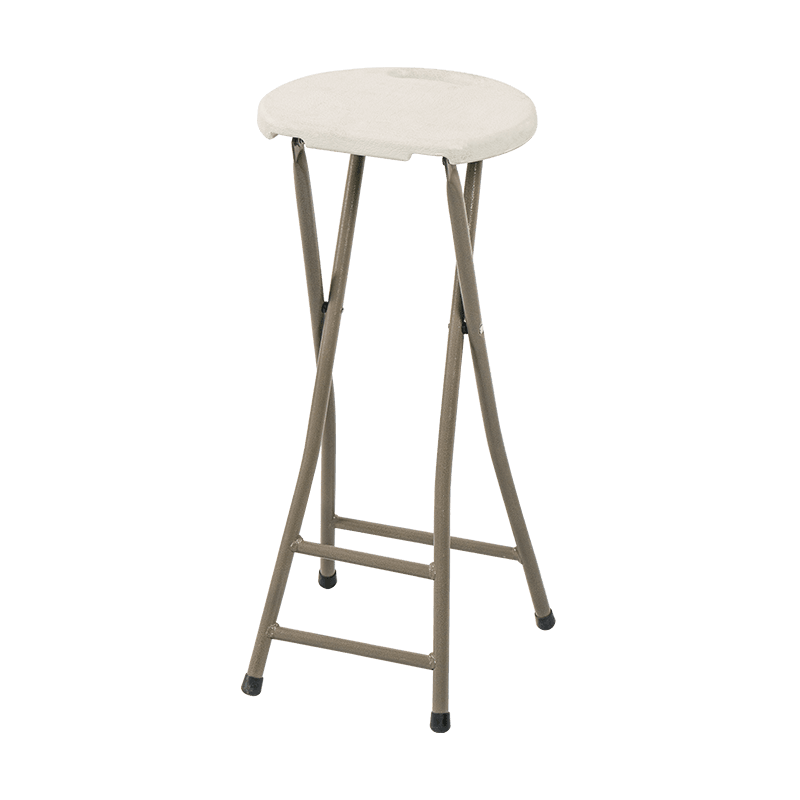
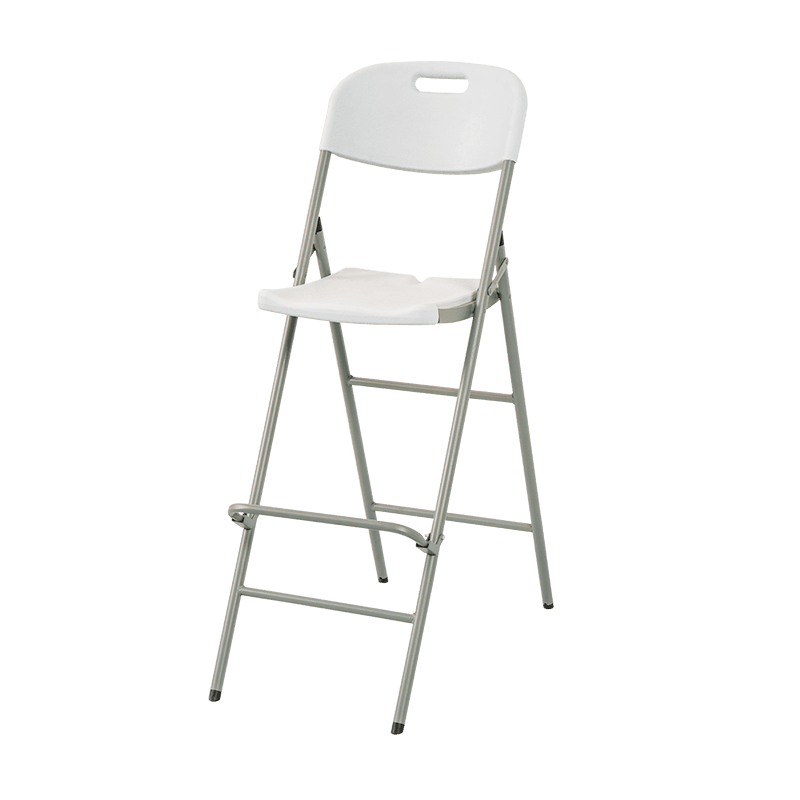
Comfort is where the two designs diverge most in daily use. Traditional folding stools can carry a larger seat, a contoured top, and rounded edges that support the thighs without digging in. Collapsible stools use small segmented seats, and the seams between segments can become uncomfortable after fifteen or twenty minutes. That is why the white circular folding high stool keeps a traditional-style mechanism under a larger circular seat, adding a foot ring for bar-height comfort. Some collapsible designs add two or three seat height settings, which is handy for children or uneven terrain, but each extra locking position is another load-bearing component that needs attention over time. Our seating tests suggest that seat width, edge radius, and seat height all matter more than the folding mechanism. A 30-centimeter seat with a rounded front edge feels noticeably better than a smaller flat disc, no matter how the stool collapses.
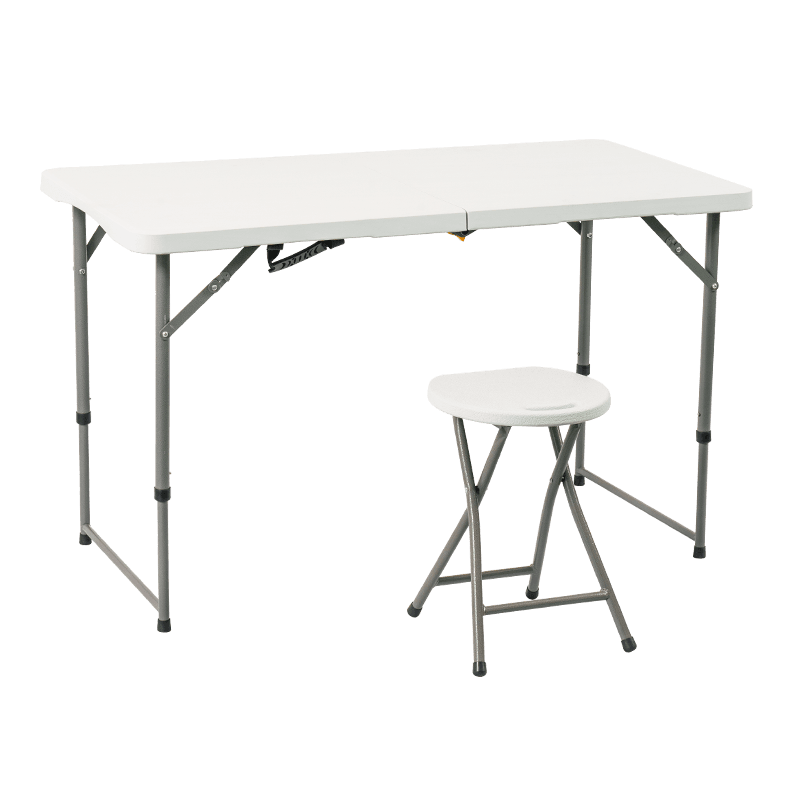 OEM White Circular Folding High Stool Manufacturers, SuppliersAs China White Circular Folding High Stool manufacturers and suppliers, Yuyao Huirui Leisure Products Co., Ltd offer OEM/ODM Circular Fol...View Product →
Ease of Use and Maintenance
Both types open and close quickly, but the actions feel different in practice. A traditional folding stool unlocks with one hand and snaps into place in about a second, which matters in high-traffic settings like events, classrooms, and commercial venues. A collapsible stool needs its segments aligned and locked one by one, which takes a few extra seconds and a bit more attention, especially with cold hands or gloves. Maintenance is easy for both because the key material is plastic. HDPE surfaces do not rust, rot, or absorb moisture, so a wipe with soapy water or a rinse from a garden hose is enough. There are no hinges or springs to oil on a plastic folding stool, and a collapsible hub can simply be rinsed if dirt builds up.
Which Stool Should You Choose?
If you are still weighing the trade-offs, let your primary scenario be the deciding test:
- Camping, backpacking, commuting, or any situation where the stool rides in a bag: choose a collapsible stool. Packed size beats every other factor.
- Garden parties, tailgating, event seating, or commercial use: choose a traditional folding stool. The stable frame, higher load rating, and one-second setup are worth the extra storage space.
- Small apartments with limited storage: either can work, but a traditional folding bench such as our 180cm portable party folding bench
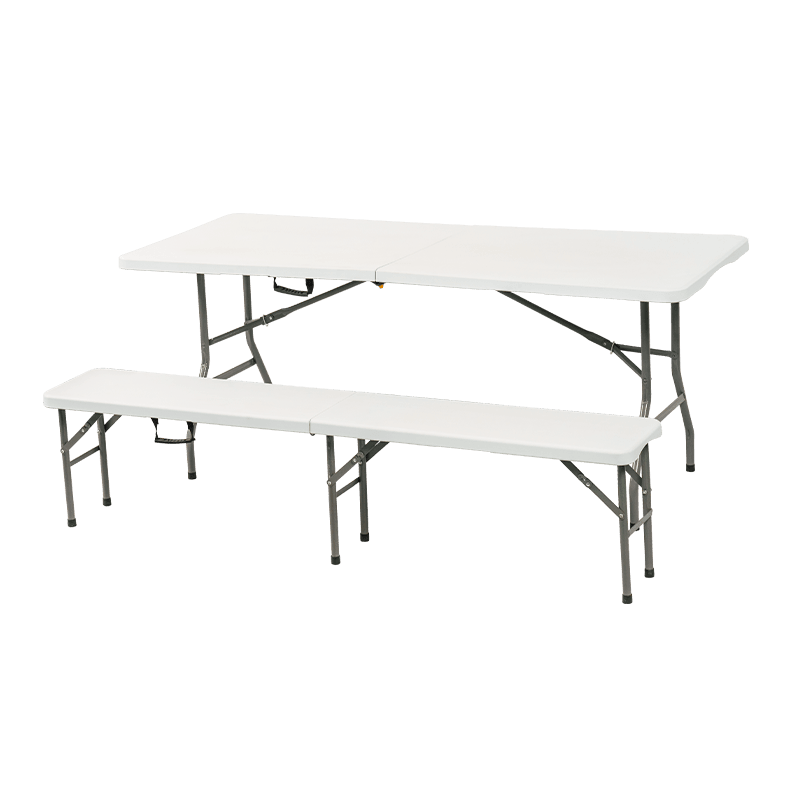 OEM/ODM 180cm Portable Party Folding Bench Manufacturers, SuppliersAs famous China 180cm Portable Party Folding Bench manufacturers and suppliers, Yuyao Huirui Leisure Products Co., Ltd offer OEM/ODM Port...View Product → doubles as a low table or footrest, which adds practical value.
 - Contract buyers like restaurants, hotels, and rental companies: traditional is the lower-risk purchase. A simpler mechanism means fewer breakages, fewer returns, and lower lifetime cost.
The final answer is not about which design is newer or more clever. It is about matching the stool to the way you will really use it. Sit on it for twenty minutes, fold it with one hand, and carry it across a parking lot; that quick test will tell you more than any spec sheet. Both collapsible and traditional stools have a lasting place in homes, outdoor gear bags, and commercial seating fleets. Buy the one that disappears when it needs to hide, or the one that stands firm when it needs to work.
Featured Products Showcase