English
 中文简体
中文简体
Author: HUIRUI
Date: Aug 12, 2026
How Much Weight Can a Folding Chair Hold? Plastic Folding Chair Capacity Guide
Content
Halfway through a summer barbecue, a guest hovers beside a folding chair and asks, "Will this hold me?" Nobody wants that question to appear in the middle of a party, but it is a fair one. The short answer: most standard plastic folding chairs are rated between 200 and 350 pounds, and well-built outdoor plastic folding chairs with reinforced frames can handle 400 pounds or more. The longer answer depends on the frame, the seat shape, the plastic formula and the way the chair was tested, and it changes depending on whether you are setting up a home patio, a one-day event or a commercial dining terrace.
Typical Folding Chair Weight Limits by Type
Capacity claims vary widely across categories, so it helps to compare chair constructions rather than single listings.
| Chair type | Typical rated capacity | Best suited for |
|---|---|---|
| All-plastic one-piece folding chair | 225-300 lb | Indoor events, home use |
| Plastic seat with steel frame | 300-450 lb | Outdoor dining, heavier household use |
| Steel frame with fabric sling seat | 250-400 lb | Camping, tailgating, seasonal use |
| Reinforced heavy-duty frame | 400-600 lb (manufacturer claim) | Commercial events, larger users |
| Wooden folding chair | 250-350 lb | Formal or occasional indoor seating |
One point stands out: the advertised number is not always the tested number. In a reseller's independent load test, folding chairs marketed at an 800-pound capacity collapsed at roughly 720 pounds. That is still a strong result, but it shows why buying from a manufacturer with its own production and quality control is a safer route than chasing the biggest figure on a specification sheet.
What Determines How Much Weight a Folding Chair Can Hold
Weight capacity is not an accident of the design; it is the result of decisions made on the production line. These four factors explain most of the gap between a 250-pound chair and a 500-pound chair.
Frame and hinge construction
A plastic folding chair with a steel frame transfers load down through the legs, while an all-plastic design relies on the ribs and wall thickness of the molded shell. Pay attention to the hinge and the locking brace that keeps the legs open. Riveted steel hinges with a deep seat pocket handle more stress than slim stamped hinges, and cross braces under the seat reduce lateral flex significantly.
Seat shape and weight distribution
A wider seat spreads the load over a larger surface area, and a deeper seat pan with molded ribbing acts like a structural beam. That is why stronger chairs look thicker around the center than budget versions. A wide, flat chair made from the same plastic will flex more without reinforcement. Keep in mind that most rated figures come from static load tests; sitting down quickly creates dynamic impact that is far harder on the chair.
Plastic material and outdoor durability
Outdoor-grade models are usually molded from high-density polyethylene, which tolerates sunlight and moisture far better than thinner polypropylene. Once the polymer degrades, micro-cracks form and the real capacity drops even though the label still shows the original number. If the chairs will stay outside through a full season, look at HDPE outdoor furniture options that are built around UV resistance and all-weather stability.
Condition and previous use
A new chair carries its full rated capacity; a chair that has spent three summers in the sun and rain may carry less. Stress cracks near the hinge, rust on steel rivets and bent legs all reduce the practical limit. Before a busy event or a long season, inspect every chair quickly — venues cannot afford to skip this step.
Plastic Folding Chairs: Realistic Outdoor Capacity
For a typical outdoor plastic folding chair (whether it is a one-piece molded shell or a plastic seat mounted on a steel frame), the realistic range is roughly 220 to 600 pounds depending on material and construction. Everyday home models usually sit between 225 and 300 pounds. Heavy-duty versions, built with thicker HDPE seats and wider leg tubing, push past 400 pounds. The rule for buyers is simple: choose a chair with a rating that leaves margin above the heaviest person who will use it, not a rating that merely matches that weight.
The most common mistake is buying on price and assuming every plastic chair behaves the same. A thin all-plastic chair can feel fine in a showroom and flex noticeably under a heavier adult. A chair with a welded steel frame and compression-molded seat handles far more abuse, which is why restaurants and event venues specify contract-grade outdoor seating with documented load ratings instead of discount models. For commercial buyers, it also pays to ask whether the supplier operates a documented quality-control system that covers raw material, molding, assembly and packing; a manufacturer that controls those steps can tell you exactly which resin, frame gauge and fastener went into the chair.
Choosing the Right Outdoor Plastic Folding Chair
Backyard meals and home patios
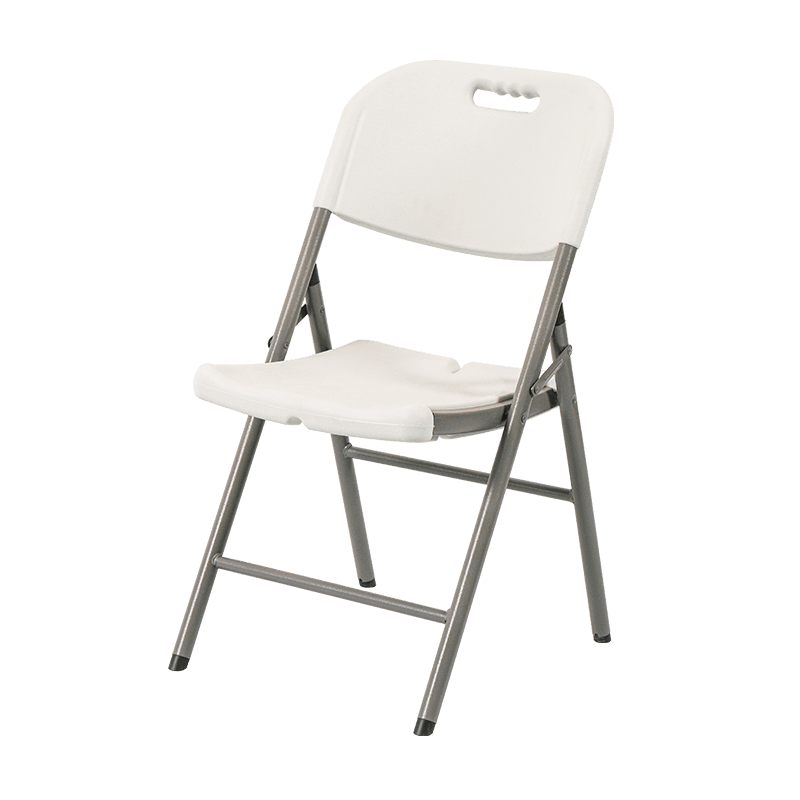
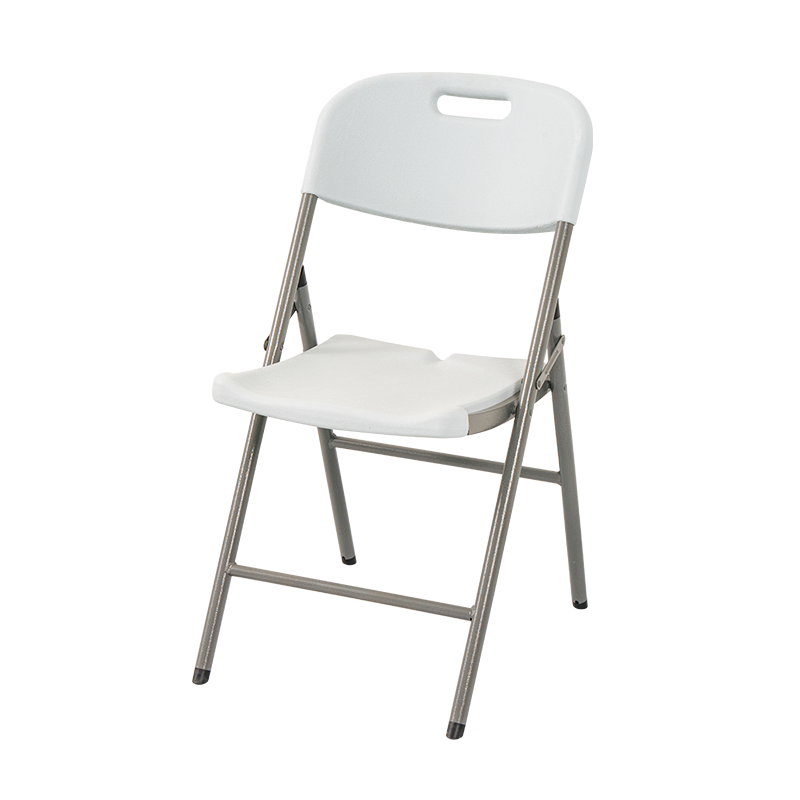
For a garden or terrace dining set, a portable outdoor garden plastic folding chair with a rating above the heaviest regular user is a sensible pick. Look for a wide, curved seat and anti-slip foot pads, and favor UV-protected HDPE if the chairs will not be stored after every use.
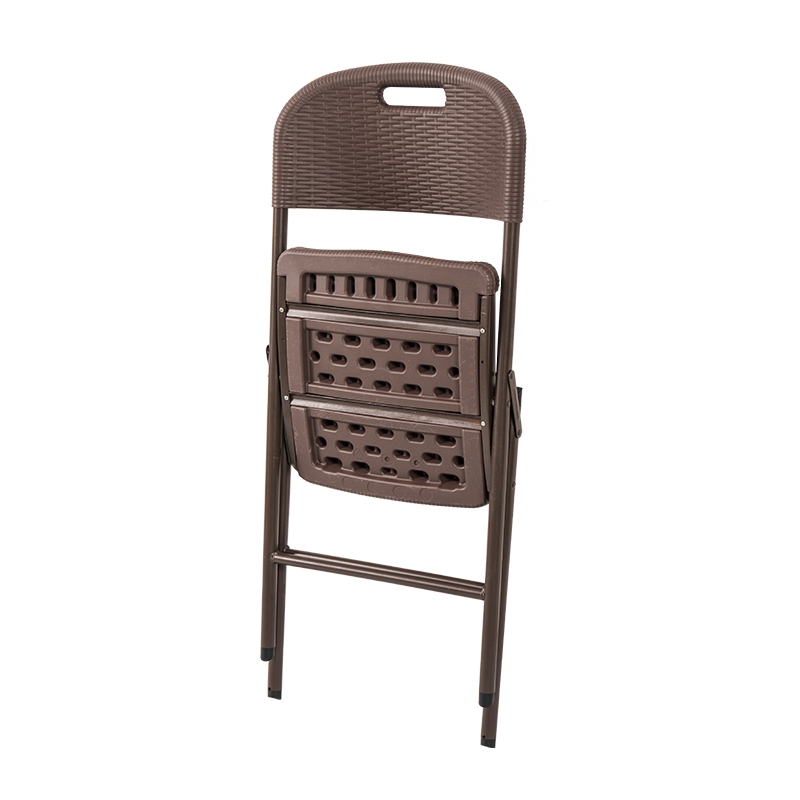 Wholesale Portable Outdoor Garden Plastic Folding Chair Suppliers, ManufacturersYuyao Huirui Leisure Products Co., Ltd is China wholesale Portable Outdoor Garden Plastic Folding Chair Manufacturers and Portable Outdoo...View Product →
Events, stackable seating and storage
Venue buyers think beyond capacity. Stackability, consistent dimensions and efficient storage define a good event chair. A white plastic stackable folding chair that stores compactly and survives a full day of continuous use is the workhorse of banquets, ceremonies and rental fleets. Remember that stacking adds handling weight, so keep the rated capacity of each unit in mind when moving loaded carts.
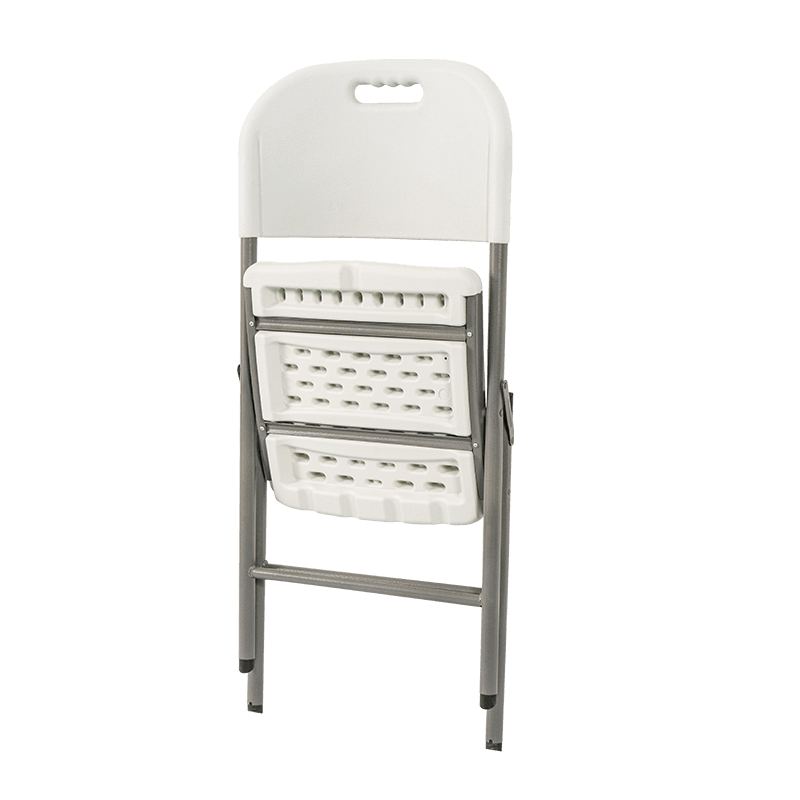 OEM/ODM White Plastic Stackable Folding Chair Manufacturers, SuppliersYuyao Huirui Leisure Products Co., Ltd is China White Plastic Stackable Folding Chair manufacturers and suppliers, we offer OEM/ODM Stack...View Product →
Bar counters, rooftops and high tables
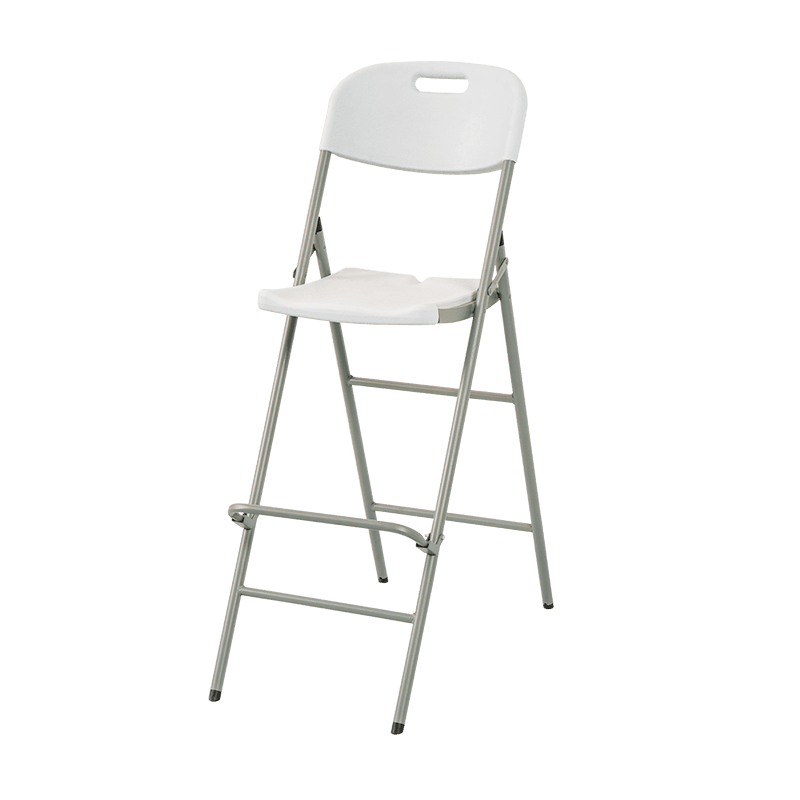
A high-top setting changes the geometry completely. A bar-height folding chair with backrest must support the sitter at a different angle, which puts more torque on the frame and hinges. For rooftops and pub gardens, choose a wider footprint and a locking backrest; a chair that wobbles at bar height is both uncomfortable and unsafe.
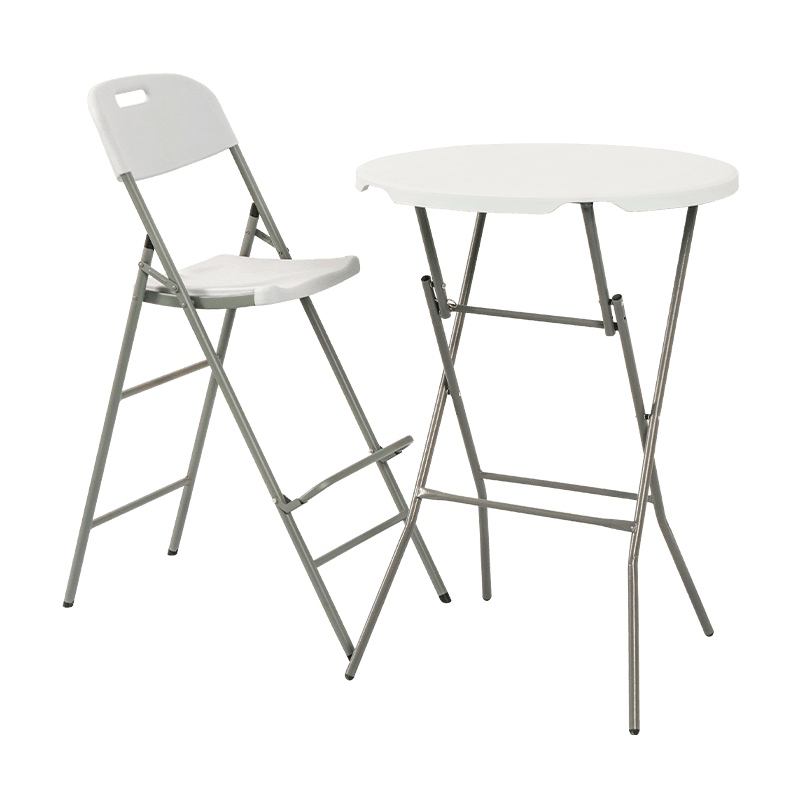 Wholesale Bar Height Folding Chair With Backrest Suppliers, Manufacturers - YuyYuyao Huirui Leisure Products Co., Ltd is China wholesale Bar Height Folding Chair With Backrest Manufacturers and Bar Height Folding Cha...View Product →
Heavier users: when to step up
If your household or venue regularly hosts adults over 300 pounds, a standard plastic chair is the wrong tool. Move to heavy-duty folding chairs with reinforced steel frames and wider seats, or to contract-grade models built for commercial replacement cycles. The price difference is small compared with the cost of a folding chair that fails under a guest.
Simple Maintenance That Protects Capacity
Correct care is the cheapest way to protect a chair's rated limit over the long term. Keep plastic chairs dry and out of direct sunlight during long idle periods; even UV-stable HDPE ages faster under constant exposure. Wash with mild soap and water rather than abrasive solvents, check rivets and locking braces before heavy use, and retire a chair as soon as a crack appears in the seat or leg.
- Store chairs in a dry, shaded area when they are not in use.
- Clean with mild soap and a soft cloth; avoid solvent sprays that attack plastic surfaces.
- Inspect hinges, locking braces and foot pads before every event or high-use week.
- Replace any chair with visible stress cracks, bent legs or worn hinge pins.
Chairs folded and kept together in a shed or storage container during winter will serve for many seasons, provided the stack is stable and nothing heavy is placed on top of the seats.
Featured Products Showcase