English
 中文简体
中文简体
Author: HUIRUI
Date: Aug 05, 2026
Plastic vs. Wood Folding Tables: Which Portable Folding Table Is Right for You?
Content
- 1 Side-by-Side Comparison: Plastic vs Wood Folding Tables
- 2 Weight and Portability: Plastic Has a Clear Advantage
- 3 Outdoor Performance: Why Plastic Folding Tables Dominate Outside
- 4 Durability and Load Capacity: The Case for Wood in Stable Settings
- 5 Cost Comparison: Plastic Wins on Value, Wood on Premium Feel
- 6 Cleaning and Maintenance: Plastic Requires Almost Nothing
- 7 Best Use Cases for Each Type
- 8 Common Plastic Folding Table Sizes and What They Work For
For most people buying a portable folding table — especially for outdoor use — a plastic folding table is the more practical choice. It weighs less, resists moisture, costs less, and requires almost no maintenance. Wood folding tables hold an edge in appearance and surface feel, but they demand more care and are harder to justify outside of indoor or semi-permanent settings.
That said, the right answer depends on how and where you plan to use the table. The sections below break down every meaningful difference — weight, durability, weather resistance, cost, and portability — so you can make a decision based on actual use, not assumptions.
Side-by-Side Comparison: Plastic vs Wood Folding Tables
The table below summarizes the core differences across the criteria that matter most when choosing a portable folding table:
| Category | Plastic Folding Table | Wood Folding Table |
|---|---|---|
| Weight (6 ft) | 9–15 lbs | 20–35 lbs |
| Weather resistance | Excellent | Poor without sealing |
| Typical price range | $30–$120 | $80–$300+ |
| Maintenance required | Minimal (wipe clean) | Regular (sealing, sanding) |
| Surface appearance | Functional, utilitarian | Warm, natural aesthetic |
| Load capacity (typical) | 150–300 lbs | 200–400 lbs |
| Portability | High | Moderate to low |
| Best setting | Outdoor, camping, events | Indoor, presentations, dining |
Weight and Portability: Plastic Has a Clear Advantage
A standard 6-foot plastic folding table typically weighs between 9 and 15 pounds. A comparable wood folding table — usually constructed from MDF, plywood, or solid wood — comes in at 20 to 35 pounds, sometimes more depending on thickness and wood species.
That weight difference matters significantly when you are loading a table in and out of a car, carrying it across a field, or setting up multiple tables for an event. Plastic tables are also more commonly available with built-in carry handles and molded grip points, making one-person transport genuinely comfortable.
For anyone who moves their table frequently — campers, event organizers, coaches, or vendors at markets — the portability argument alone usually settles the plastic vs wood decision.
Outdoor Performance: Why Plastic Folding Tables Dominate Outside
Moisture is wood's primary enemy. Untreated or improperly sealed wood absorbs water, causing it to warp, swell, crack, and eventually delaminate at joints. Even treated wood requires periodic re-sealing — typically once a year for outdoor use — or the surface begins to deteriorate within one to two seasons.
High-density polyethylene (HDPE) plastic, which is used in most quality outdoor plastic folding tables, does not absorb water. It resists UV degradation, mold, and rust on its surface, and can be left in the rain without damage. Most HDPE folding tables are also paired with powder-coated steel or aluminum frames, which extend outdoor durability further.
What to Look for in an Outdoor Plastic Folding Table
Not all plastic folding tables are equally suited for outdoor use. These are the features that separate a durable outdoor table from a flimsy one:
- HDPE tabletop — denser and more impact-resistant than standard polypropylene; holds up better to UV and heat
- Powder-coated steel legs — resists rust better than bare steel; check that leg locks engage positively with no wobble
- UV inhibitors in the plastic — prevents fading and surface brittleness after prolonged sun exposure
- Ribbed or reinforced underside — improves rigidity and prevents the tabletop from flexing under load
- Non-slip leg caps — important on grass, gravel, or wet concrete where stability is a concern
Durability and Load Capacity: The Case for Wood in Stable Settings
On raw load capacity, solid wood folding tables often outperform plastic. A well-built wood folding table can support 300 to 400 pounds of evenly distributed weight, compared to 150 to 300 pounds for most plastic models. For heavy-duty applications — displaying merchandise, supporting equipment, or serving buffet food — a quality wood table is structurally more confident.
However, plastic tables compensate with impact resistance. Plastic does not dent, chip, or splinter the way wood does when knocked, dropped, or dragged. A plastic surface that takes a hard knock looks the same afterward; a wood surface may show a permanent mark or chip that requires sanding and refinishing.
Over a five-year period of regular use, a plastic table is likely to still look and function well with zero maintenance. A wood table over the same period, used outdoors or in high-traffic settings, will need ongoing attention to stay presentable.
Cost Comparison: Plastic Wins on Value, Wood on Premium Feel
Entry-level plastic folding tables start around $30 for a 4-foot model and reach $100–$120 for a well-built 6-foot HDPE table. Comparable wood folding tables start closer to $80–$100 and commonly exceed $200–$300 for solid hardwood or furniture-grade plywood versions.
When you factor in the ongoing maintenance cost of wood — sealants, refinishing products, and repair materials — the total cost of ownership widens further over time. For buyers equipping an event space, rental business, or school program with multiple tables, plastic folding tables consistently deliver better cost efficiency.
Wood becomes worth the premium when aesthetics are a genuine priority — wedding receptions, professional presentations, or dining settings where the table surface is visible and presentation matters.
Cleaning and Maintenance: Plastic Requires Almost Nothing
Cleaning a plastic folding table takes seconds — a damp cloth or a spray of mild detergent removes food, dirt, or spills without any risk of damage. Plastic is non-porous, so nothing soaks in.
Wood requires a more deliberate approach. Spills left to sit on unsealed wood can stain permanently within minutes. Sealed wood surfaces are more forgiving but still need periodic re-application of the protective finish — particularly if exposed to outdoor conditions, heat from dishes, or frequent cleaning with chemical agents that can break down the sealer over time.
For high-frequency use — weekly events, recurring outdoor setups, or shared spaces with multiple users — plastic folding tables are dramatically easier to manage at scale.
Best Use Cases for Each Type
Neither material is universally superior. The right table depends entirely on what you need it to do:
Choose a Plastic Folding Table If You:
- Use the table outdoors regularly — camping, tailgating, picnics, garden parties
- Need to transport it frequently in a vehicle
- Are outfitting multiple tables for events, rentals, or institutional use
- Want a table that can be cleaned quickly and stored without special care
- Are working with a budget under $120
Choose a Wood Folding Table If You:
- Need a table that looks presentable in a formal or semi-formal indoor setting
- Prioritize surface warmth and aesthetics — events where the table itself is part of the décor
- Require higher static load capacity for heavy items displayed or stored on top
- Are comfortable with periodic maintenance and have a covered, dry storage location
- Use the table infrequently and in controlled environments
Common Plastic Folding Table Sizes and What They Work For
Plastic folding tables come in a range of standard sizes. Matching the right size to your use case avoids buying more table than you need — or not enough:
| Size | Dimensions | Seats | Best For |
|---|---|---|---|
| 4-foot | 48" × 24" | 4 | Small gatherings, craft fairs, kids' activities |
| 5-foot | 60" × 30" | 6 | Picnics, vendor booths, home use |
| 6-foot | 72" × 30" | 6–8 | Events, buffet lines, outdoor dining, camping |
| 8-foot | 96" × 30" | 8–10 | Large events, banquet halls, trade shows |
| Round (60") | 60" diameter | 8 | Banquets, social gatherings, outdoor parties |
The 6-foot plastic folding table is the most versatile and widely purchased size, striking the right balance between usable surface area and manageable weight for a single person to carry and set up.
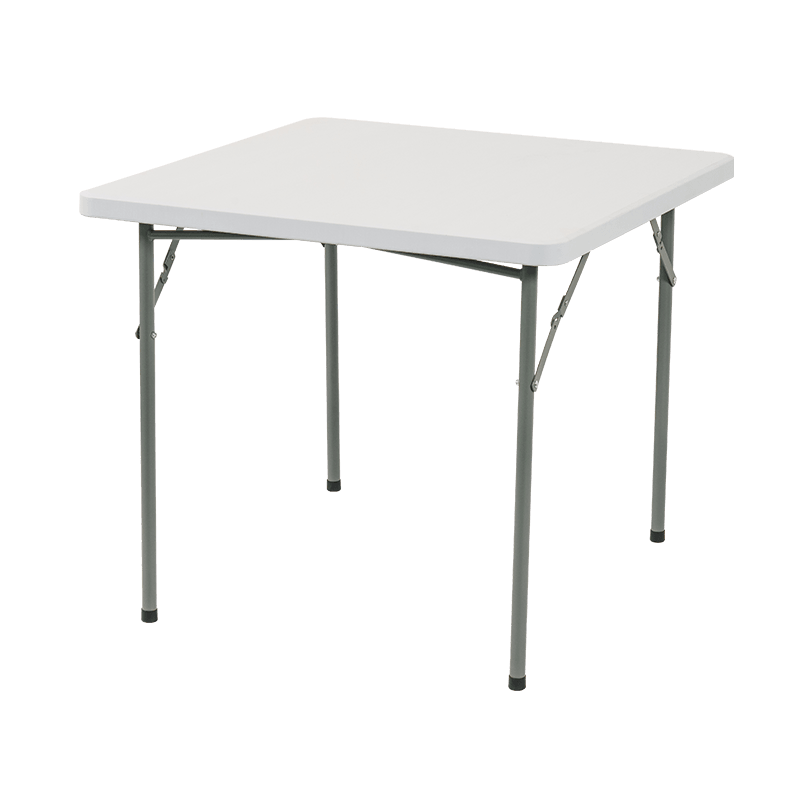
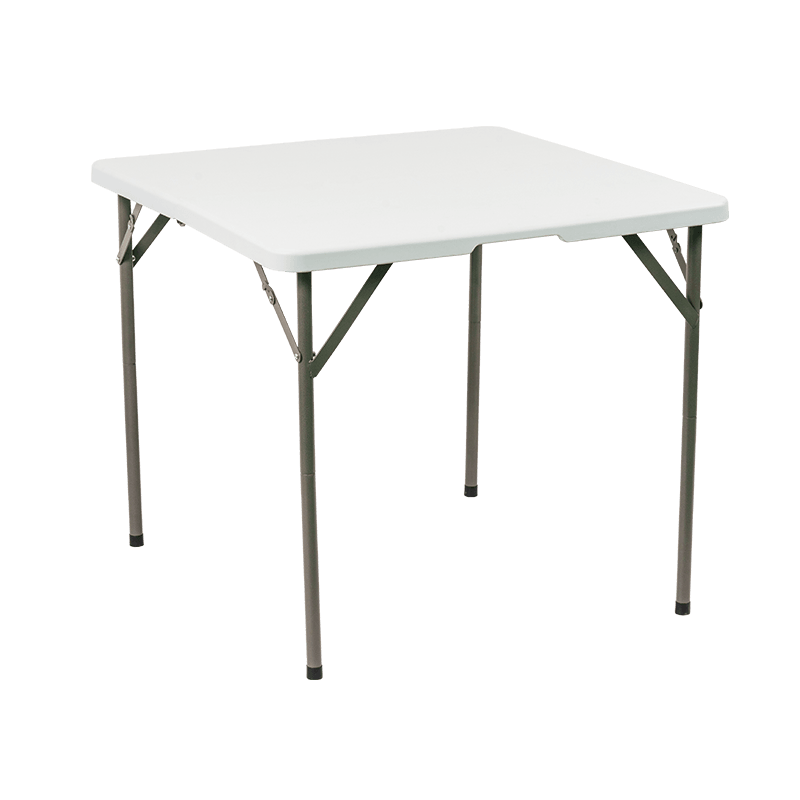
Featured Products Showcase