English
 中文简体
中文简体
Author: HUIRUI
Date: Jul 29, 2026
What Is the Most Lasting Outdoor Furniture? The Case for HDPE Plastic Folding Tables and Chairs
Content
- 1 How Outdoor Furniture Materials Actually Compare
- 2 Why HDPE and Polypropylene Plastic Outperform Expectations
- 3 What Makes an Outdoor Plastic Folding Table Actually Durable
- 4 What Makes an Outdoor Plastic Folding Chair Actually Durable
- 5 Blow-Molded Plastic vs. Injection-Molded: Know the Difference
- 6 Where Plastic Folding Furniture Makes the Most Sense
- 7 Simple Habits That Extend the Life of Any Outdoor Furniture
- 8 Bottom Line
Short answer: Among natural materials, Grade-A teak is the longest-lasting outdoor furniture option — but it's also the most expensive and needs periodic oiling. If you want furniture that survives sun, rain, and heavy repeated use with zero maintenance and a much lower price point, HDPE and polypropylene plastic — the same materials used in commercial-grade outdoor plastic folding tables and chairs — deliver 15 to 20+ years of service without sealing, painting, or refinishing. For anyone furnishing a patio, event space, or venue where furniture gets folded, stacked, and moved constantly, plastic folding furniture isn't the budget compromise it's sometimes assumed to be — it's often the more rational long-term choice.
How Outdoor Furniture Materials Actually Compare
"Most durable" depends on what you're measuring — raw material lifespan, resistance to weather, or how the furniture performs under real repeated use. Here's how the major categories stack up on documented service life.
| Material | Typical Lifespan | Maintenance Needed |
|---|---|---|
| Grade-A Teak | 25+ years | Annual oiling to retain color; none if left to patina |
| HDPE / Poly-lumber | 20–25 years | None — occasional rinse |
| Powder-Coated Aluminum | 15–20 years | None; coating can chip at contact points over time |
| Synthetic (Resin) Wicker | 7–15 years | Soap and water cleaning |
| Standard Cedar/Softwood | Shorter, needs regular sealing | Sanding, sealing, seasonal storage |
The honest takeaway: durability is influenced not only by the material but by manufacturer build quality, hardware, weather exposure, and maintenance — even the most durable materials benefit from covers, cleaning, and occasional care. A cheaply built teak chair with poor joinery can fail faster than a well-built HDPE one. Material sets the ceiling; construction quality determines whether you actually reach it.
Why HDPE and Polypropylene Plastic Outperform Expectations
Plastic outdoor furniture carries an outdated reputation — thin, brittle patio chairs that crack after one winter. That's not what commercial-grade HDPE and polypropylene furniture is. What sets quality HDPE apart is where the protection lives: UV-inhibiting stabilizers are baked into the material itself, not applied as a surface coat, which is why the color holds up rather than chalking or fading after a season or two in direct sun.
Moisture
HDPE won't crack, warp, or fade, and is extremely low-maintenance and suitable for all climates. Because the material is non-porous, there's no water absorption cycle to cause swelling or rot.
Structural Stability
The result is a material that is non-porous, UV-stabilized, and structurally immune to moisture — meaning it won't warp out of square the way untreated wood can after repeated wet-dry cycles.
Realistically, 20-plus years of outdoor use without covering or sealing is well-documented for furniture built with marine-grade stainless hardware — and critically, that number assumes zero maintenance routine, which is not true of teak or even powder-coated aluminum over the same window.
The maintenance math: Teak's 25-year lifespan assumes annual oiling — call it 25 maintenance sessions over the furniture's life. HDPE's 20–25 year lifespan assumes none. For furniture used constantly at events, restaurants, or rental operations, that difference in labor adds up faster than the difference in years.
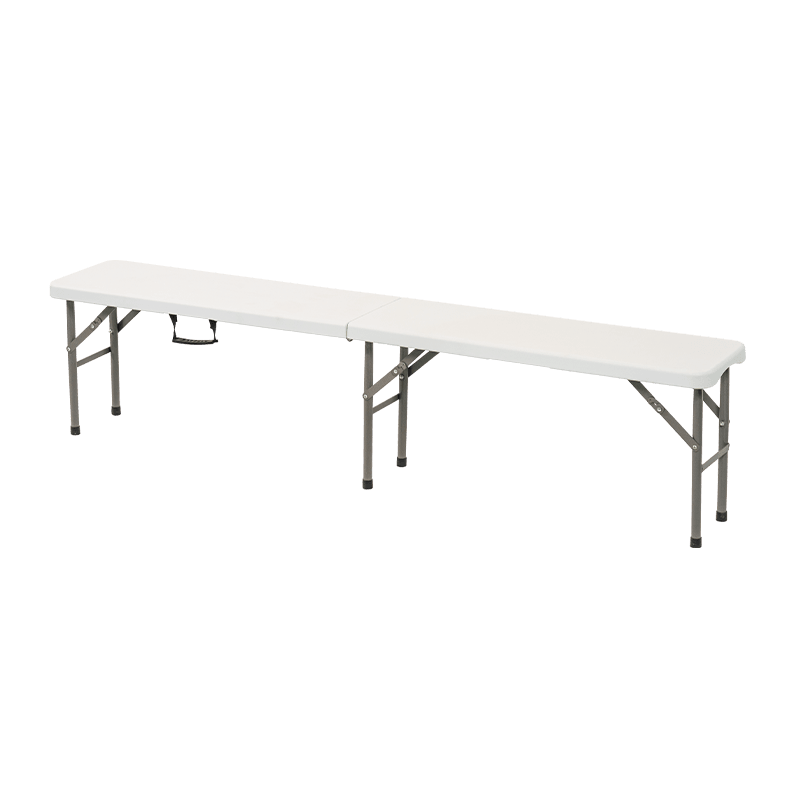
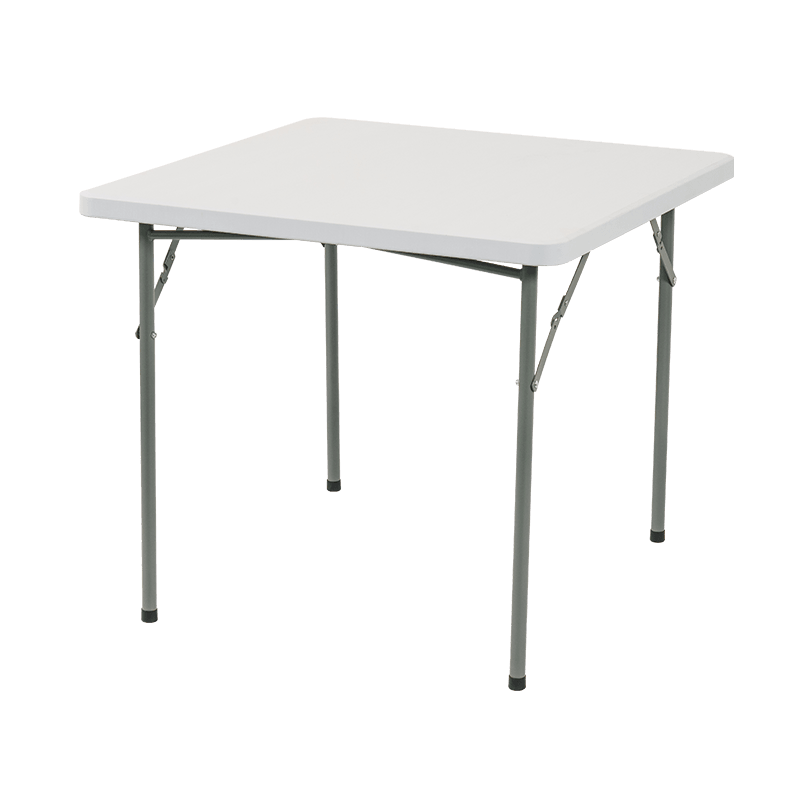
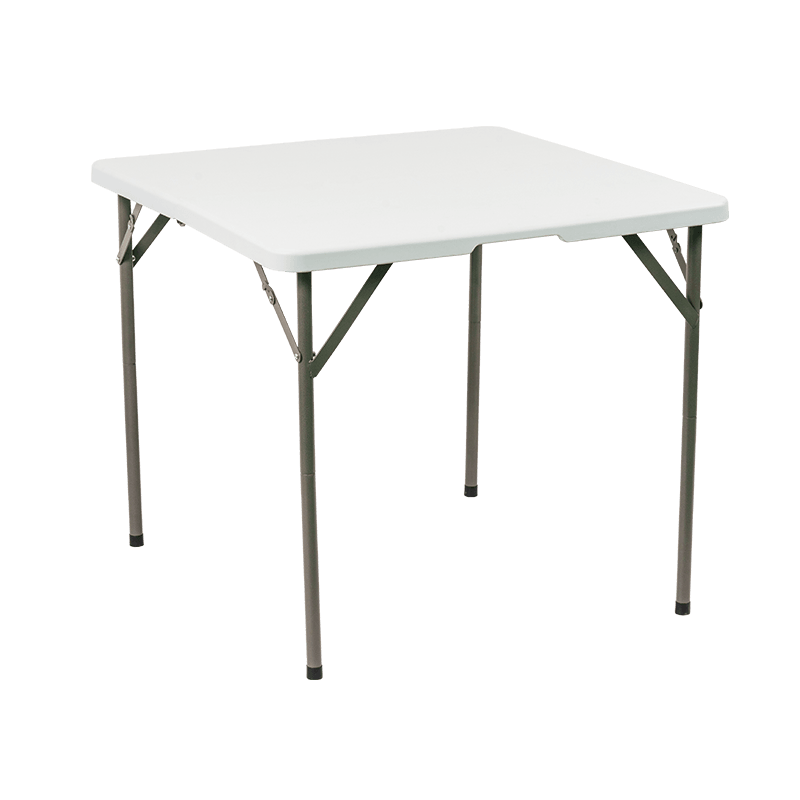
What Makes an Outdoor Plastic Folding Table Actually Durable
Not all plastic folding tables are built the same, and the construction details separate a table that survives one event season from one that survives a decade of commercial use.
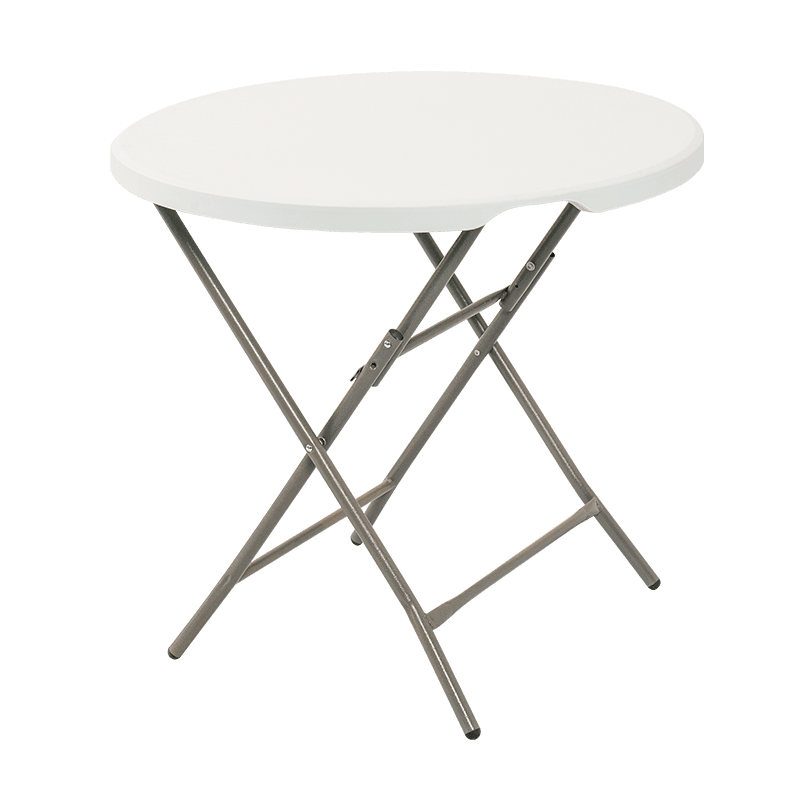
- Blow-molded top construction: a waterproof, blow-molded plastic top resistant to stains, built as a single sealed shell rather than a laminated surface that can delaminate at the edges.
- Top thickness: commercial-duty tables commonly use a 1.75-inch thick top for impact and stain resistance, versus thinner residential-grade tops that flex and crack under weight.
- Steel frame gauge: look for an 18-gauge steel frame or heavier — the frame, not the plastic top, is usually what fails first on a poorly built table.
- Weight capacity rating: commercial tables are typically rated for 250 lbs. evenly distributed, with some heavy-duty models rated up to 260 lbs.
- Automatic lock-open system and non-marring feet: plastic foot caps that keep floors scratch-free and a lock mechanism that prevents accidental folding under load.
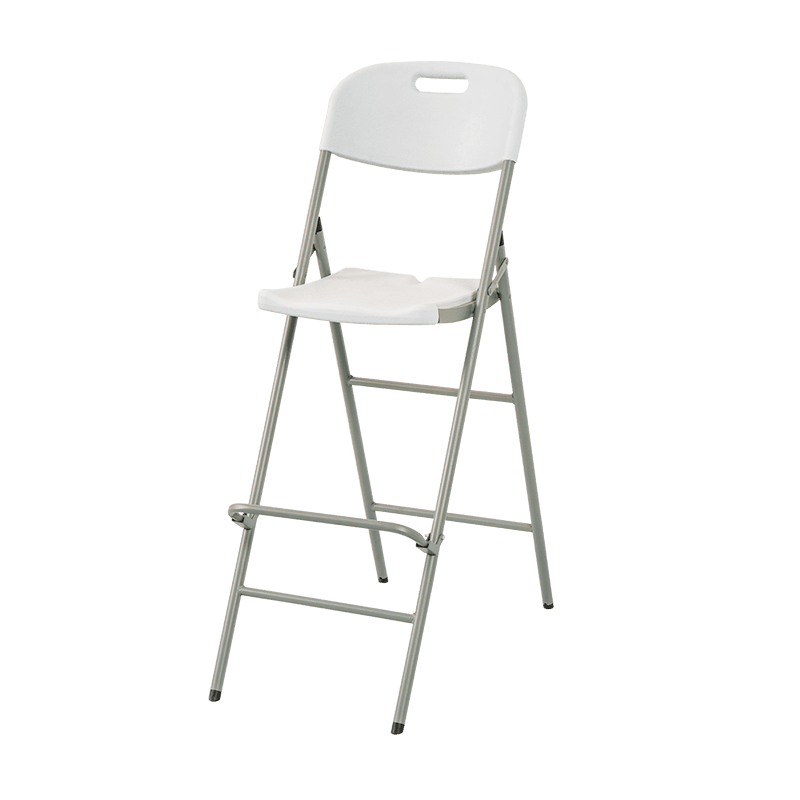
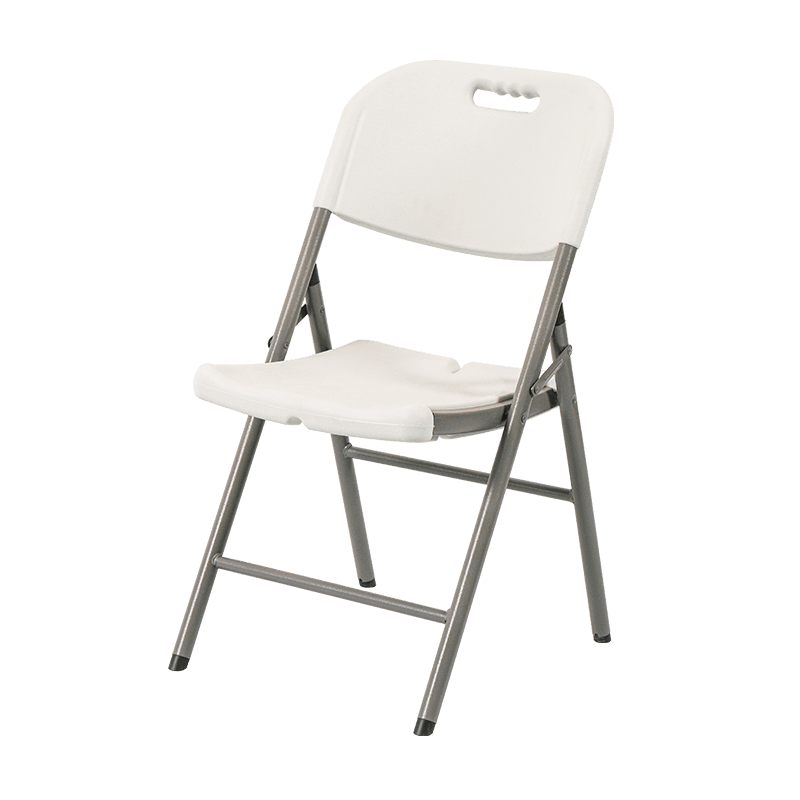
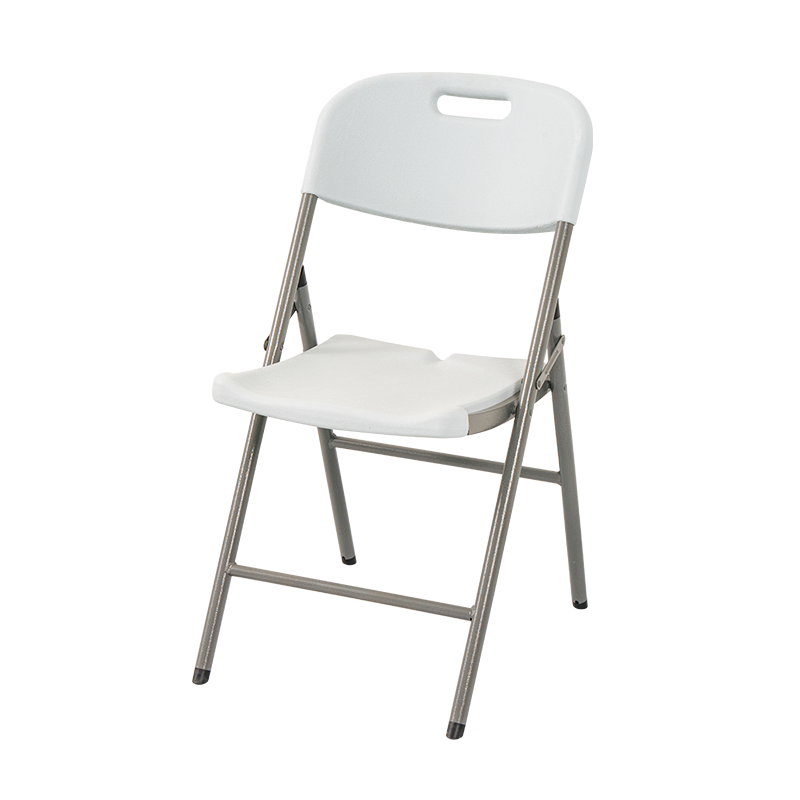
What Makes an Outdoor Plastic Folding Chair Actually Durable
Folding chairs endure a different kind of stress than tables — repeated folding-unfolding cycles, stacking weight, and constant transport. The build details that matter here are specific.
| Construction Feature | What It Does |
|---|---|
| 100% virgin polypropylene (no reground material) | Reinforced molded seat and back without weak recycled-content spots |
| 3/4" tubular steel frame, powder-coated | Reduces rusting over repeated outdoor exposure |
| Double-riveted U-braces (front and back) | Securely support the single-hinged legs against racking stress |
| Metal underbracing on the seat | Added durability under sustained seated weight |
| Galvanized rivets | Hold tight year after year with no tightening needed |
| PVC vinyl or replaceable glide chair tips | Protect floors from scratching, marring, and rust stains |
up to 700 lbs Static weight capacity on commercial-grade folding chairs
19-gauge Typical heavy-duty tubular steel frame thickness
ANSI/BIFMA Industry standard some commercial chairs are certified to
Sources: commercial folding furniture manufacturer specifications for blow-molded plastic chairs rated for repeated event and venue use.
Blow-Molded Plastic vs. Injection-Molded: Know the Difference
Two manufacturing methods dominate the plastic folding furniture category, and they aren't interchangeable in terms of durability.
Blow-Molded
Blow-molded construction is a proven choice for commercial seating because it balances strength with practical weight — the process creates a hollow, double-walled shell that resists denting and flexing better than a thin single-layer surface.
Injection-Molded
Injection-molded seats and backs are commonly stain resistant and tend to hold finer detail, but the wall thickness is generally more uniform and thinner than a blow-molded equivalent, which can matter under heavy repeated flexing.
For furniture that gets folded and unfolded hundreds of times a year — event rentals, restaurant patios, community centers — blow-molded construction has the track record for standing up to that specific kind of repeated mechanical stress.
Where Plastic Folding Furniture Makes the Most Sense
Every material has a use case where it's the clearly correct choice. Plastic folding tables and chairs win specifically where these conditions apply:
- Frequent setup and teardown: events, banquets, weddings, and outdoor gatherings under tents, where furniture needs to move fast and fold flat.
- High-turnover commercial use: weddings, banquets, conferences, school functions, trade shows, churches, and outdoor events all put repeated stress on folding hardware that lighter residential furniture isn't built for.
- Zero-maintenance outdoor storage: spaces where furniture sits outside year-round without a covered area or storage shed.
- Budget-conscious bulk purchasing: outfitting a venue or rental fleet where per-unit teak or aluminum pricing isn't realistic at scale.
- Rain and coastal exposure: recycled plastic handles variable climates well, blocks UV damage, and never needs sealing, making it a strong fit for humid or salt-air environments.
Simple Habits That Extend the Life of Any Outdoor Furniture
Even the most durable material benefits from basic care, and plastic folding furniture is no exception — the maintenance is just far lighter than wood or metal.
- Rinse tables and chairs periodically to remove dust, pollen, and salt residue, especially in coastal areas.
- Store folded furniture flat or on a rated storage cart rather than leaning pieces against walls, which stresses hinge points over time.
- Check leg locks and hinges seasonally — the frame's lock mechanism, not the plastic shell, is usually the first part to show wear.
- Avoid dragging tables and chairs across rough concrete or gravel, which can scuff the plastic surface and stress foot caps.
- Keep furniture within its rated weight capacity — exceeding it repeatedly stresses joints even on well-built frames.
Bottom Line
If cost is no object and you're willing to oil furniture annually, Grade-A teak remains the longest-lasting natural material for outdoor furniture. But for furniture that has to survive constant folding, stacking, transport, and outdoor exposure without any upkeep routine, commercial-grade HDPE and polypropylene plastic folding tables and chairs deliver comparable multi-decade service life at a fraction of the price and effort. The real determinant of longevity isn't just the material — it's whether the table or chair was built with a thick blow-molded shell, a properly gauged steel frame, and reinforced hardware at the stress points. That's the difference between plastic folding furniture that lasts one summer and plastic folding furniture that lasts twenty.
Featured Products Showcase