English
 中文简体
中文简体
Author: HUIRUI
Date: Jul 15, 2026
How to Make Plastic Folding Chairs Look Pretty: The Ultimate Guide for Indoor & Outdoor Settings
Content
Quick answer: the fastest way to make plastic folding chairs look pretty is to layer texture and color on top of the frame rather than replace it — a fitted or slipcover-style cover, a sash or bow at the back, and a seat cushion turn a $10 utility chair into something that photographs like rental furniture, usually for under $8 per seat. For outdoor settings, choosing a chair with a resin (not thin polypropylene) shell and a UV-stabilized finish from the start does more for long-term appearance than any add-on, because faded or warped plastic can't be fully disguised by decoration.
Plastic folding chairs get a bad reputation for a reason: the bare white or gray shell reads as "storage closet" the moment it's lined up in rows. But the chair itself is rarely the problem — the styling around it is. Event planners routinely dress the same $12 chair for weddings, corporate galas, and backyard parties, and the difference between "cheap plastic chair" and "elegant seating" is almost entirely fabric, color, and a few finishing details. This guide breaks down exactly how to do that, plus what separates a plastic folding chair that holds up outdoors from one that cracks or fades within a season.
How to Make Folding Chairs Look Pretty: 5 Proven Methods
These methods are listed roughly in order of cost and effort, from a five-minute fix to a full transformation. Most events combine two or three of them rather than using just one.
1. Add a Chair Cover for an Instant Upgrade
A fitted spandex or polyester cover hides the chair's shape entirely and is the single most effective change you can make. Universal folding-chair covers stretch over the back and seat, and cost roughly $2–$5 each when bought in bulk of 50 or more. White and ivory are the most common choices because they photograph well under both daylight and string lighting.
2. Use a Sash, Bow, or Chair Band
A 6–8 inch wide sash tied in a bow at the chair back adds a pop of color without covering the whole chair, which works well if the plastic underneath is already a neutral tone. This is the step where an accent color — like a warm amber or gold — does the most visual work, since it draws the eye down the center aisle or across a row of seating.
3. Layer On a Seat Cushion or Pad
Beyond looks, a 2-inch foam cushion with a tie-on cover solves the actual comfort complaint people have about plastic chairs during long events. Choose an outdoor-rated, water-resistant fabric if the chairs will sit outside for more than a few hours, since standard cotton pads can develop mildew after just one damp evening.
4. Paint or Refinish the Frame
For chairs you own and reuse often, a plastic-specific spray primer followed by 2 light coats of outdoor spray paint can refresh a scratched or yellowed shell. This only works well on textured or matte-finish resin chairs — glossy chairs need a light sanding first or the paint will peel within weeks.
5. Group and Style in Sets
Chairs that look mismatched individually often look intentional in a styled group: alternate two coordinating cover colors, cluster chairs around small round tables instead of long rows, or add a single lantern or floral tie to every third chair. Visual rhythm does more than any single decoration.
| Method | Typical Cost (per chair) | Best For |
|---|---|---|
| Fitted chair cover | $2 – $5 | Weddings, formal events, indoor & covered outdoor |
| Sash or bow only | $0.50 – $2 | Budget events, quick color accents |
| Seat cushion | $3 – $8 | Long ceremonies, outdoor comfort |
| Spray paint refinish | $1 – $3 (owned chairs) | Reused personal or rental stock |
Quick Tip
If you're renting or buying in bulk, order covers and sashes in the same shipment as the chairs. Mismatched fabric dye lots between orders are one of the most common styling complaints from first-time event planners.
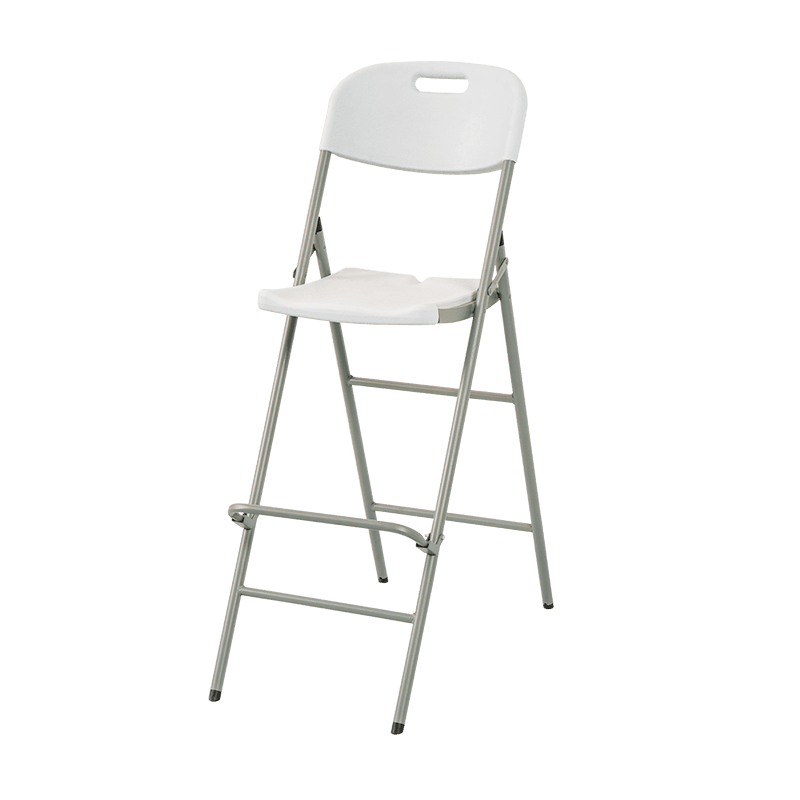
Choosing a Plastic Folding Chair That's Worth Dressing Up
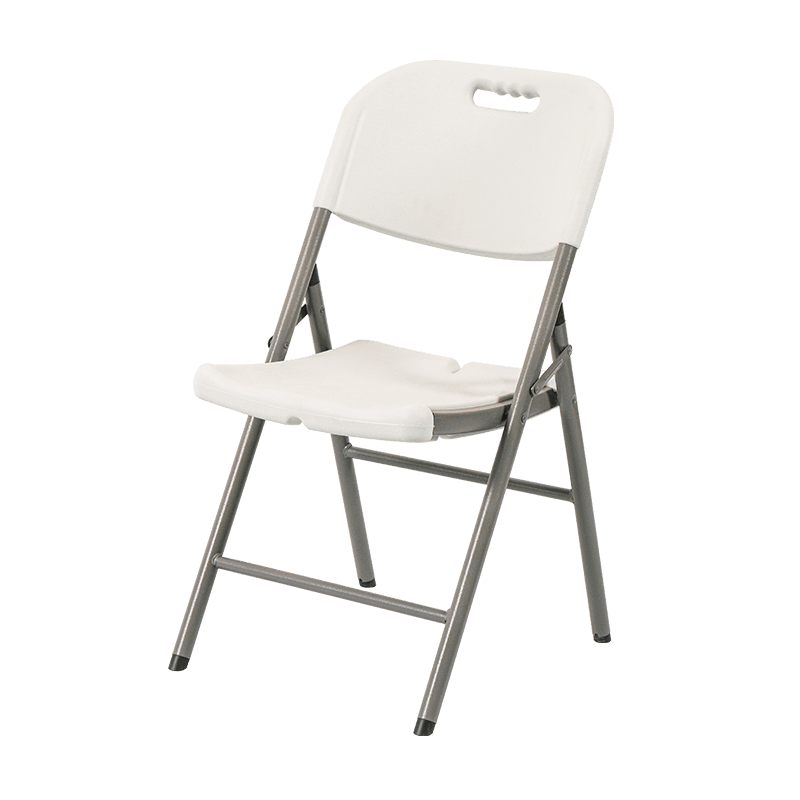
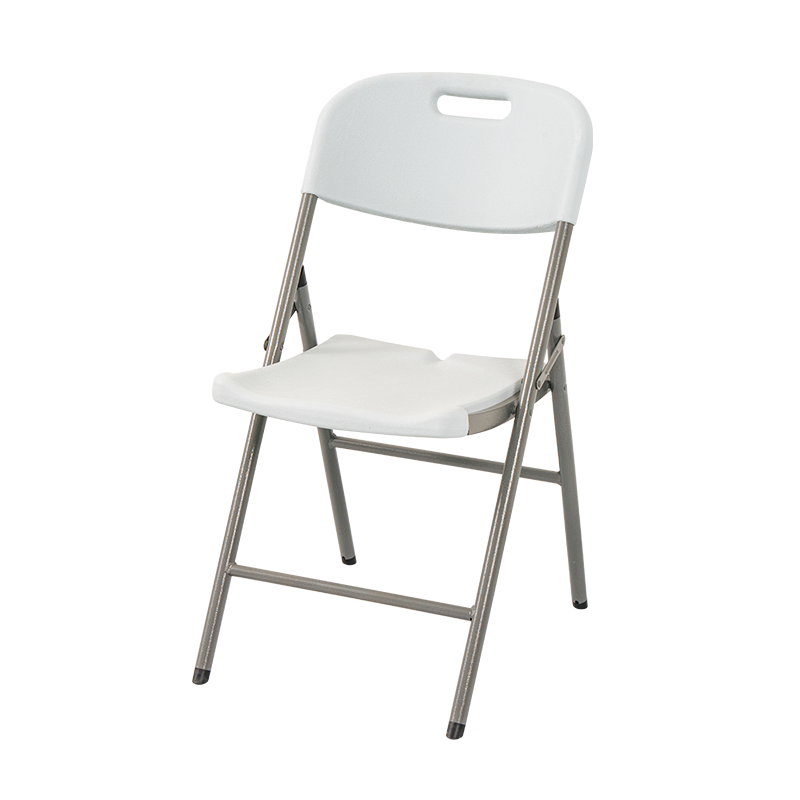
Styling only goes so far if the base chair is poorly made. Before buying in bulk, check these four things, since they determine whether the chair still looks good — and holds together — after repeated setup and storage.
- Weight capacity: Look for a stated capacity of at least 300–350 lbs; anything lower tends to flex visibly under an average adult, which reads as "cheap" even under a nice cover.
- Shell thickness: Run a hand along the underside of the seat. A thin, flexible shell (often under 3mm) is more likely to crack at the fold points within a season of regular use.
- Frame material: Steel frames with a powder-coated or resin-wrapped finish resist rust far better than plain painted steel, which is worth the extra cost for any chair that will ever sit outdoors.
- Stacking and storage design: Chairs that stack cleanly without wobbling are less likely to scratch or scuff each other in storage — small surface scratches are the main reason older folding chairs start to look tired.
Outdoor Plastic Folding Chairs: What Actually Holds Up
Indoor styling advice applies outdoors too, but outdoor plastic folding chairs face two extra stressors that indoor chairs never see: UV exposure and moisture cycling. Both affect appearance long before they affect structural safety, which is why a chair can still be functional while looking faded, chalky, or brittle.
UV Resistance Matters More Than Color
Dark colors like navy or hunter green show UV fading faster than white or light gray, because the pigment breaks down visibly against a darker base. If you want a colored chair for consistent branding or event theming, confirm the manufacturer uses UV-stabilized resin — this is usually listed in the product spec as "UV-treated" or "UV-resistant," and it typically adds only marginal cost while extending visible color life significantly.
Drainage and Moisture Design
Chairs left outside after rain need a seat design that lets water run off rather than pool, since standing water accelerates both mold growth on any fabric add-ons and long-term warping of the plastic shell itself. Look for a seat with subtle drainage grooves or a slightly angled profile.
Storage Between Uses
Even UV-stabilized plastic degrades faster with constant direct sun exposure when not in use. Stacking chairs under a cover or in a shaded storage area between events — rather than leaving them set up outdoors permanently — meaningfully extends both structural life and visual appearance.
300+ lbs Minimum weight rating to look for in a quality folding chair
$2–5 Typical per-chair cost for a fitted cover upgrade
2 coats Recommended light coats when refinishing with outdoor spray paint
Common Mistakes to Avoid
- Covering a damaged chair instead of replacing it. A cover hides color and shape, not cracks or wobble — sit-testing every chair before an event catches structural issues fabric can't fix.
- Using indoor fabric outdoors. Cotton and unlined polyester sashes wrinkle and can mildew if dew or light rain hits them overnight; outdoor events call for water-resistant or quick-dry fabric.
- Skipping a test chair before bulk-buying covers. Folding chair dimensions vary by a few inches between brands, and a cover cut for one model can look loose or pull tight on another.
- Ignoring storage after the event. Folding chairs left outdoors, stacked or not, will fade and warp far faster than chairs stored indoors or under cover between uses.
Final Takeaway
Making plastic folding chairs look pretty is a layering problem, not a replacement problem: start with a fitted cover or sash for instant visual impact, add a cushion for comfort, and choose UV-stabilized, thick-shell chairs from the start if they'll spend any time outdoors. Get the base chair right, and every styling choice after that — color, fabric, grouping — lasts longer and looks better.
Featured Products Showcase