English
 中文简体
中文简体
Author: HUIRUI
Date: Mar 25, 2026
Plastic vs Metal Folding Chairs: Which One Should You Buy?
Content
- 1 Side-by-Side Comparison: Plastic vs Metal Folding Chairs
- 2 What Is a Plastic Folding Chair Made Of?
- 3 Where Plastic Folding Chairs Outperform Metal
- 4 Where Metal Folding Chairs Are the Better Choice
- 5 Common Types of Plastic Folding Chairs
- 6 Key Factors to Evaluate Before Buying
- 7 Verdict: Which Folding Chair Is Right for You?
For most casual, indoor, and budget-conscious buyers, a plastic folding chair is the better choice — it is lighter, cheaper, moisture-resistant, and easier to clean. Metal folding chairs, however, win on load capacity, longevity, and formal appearance, making them the preferred option for event rental companies, banquet halls, and heavy-duty commercial use. The right answer depends entirely on how often you use them, where, and how much you are willing to spend.
Side-by-Side Comparison: Plastic vs Metal Folding Chairs
| Attribute | Plastic Folding Chair | Metal Folding Chair |
|---|---|---|
| Typical Weight | 3.5–5 kg | 5–9 kg |
| Weight Capacity | 135–180 kg | 160–250 kg |
| Average Price (per unit) | $8–$25 | $18–$60 |
| Expected Lifespan | 5–10 years | 10–20+ years |
| Rust/Corrosion Risk | None | Moderate (if uncoated) |
| UV/Outdoor Resistance | Good (HDPE) | Moderate |
| Stackability | Up to 10–15 high | Up to 8–12 high |
| Formal Appearance | Low–moderate | High (padded options) |
| Cleaning Ease | Very easy (wipe down) | Easy (fabric adds effort) |
What Is a Plastic Folding Chair Made Of?
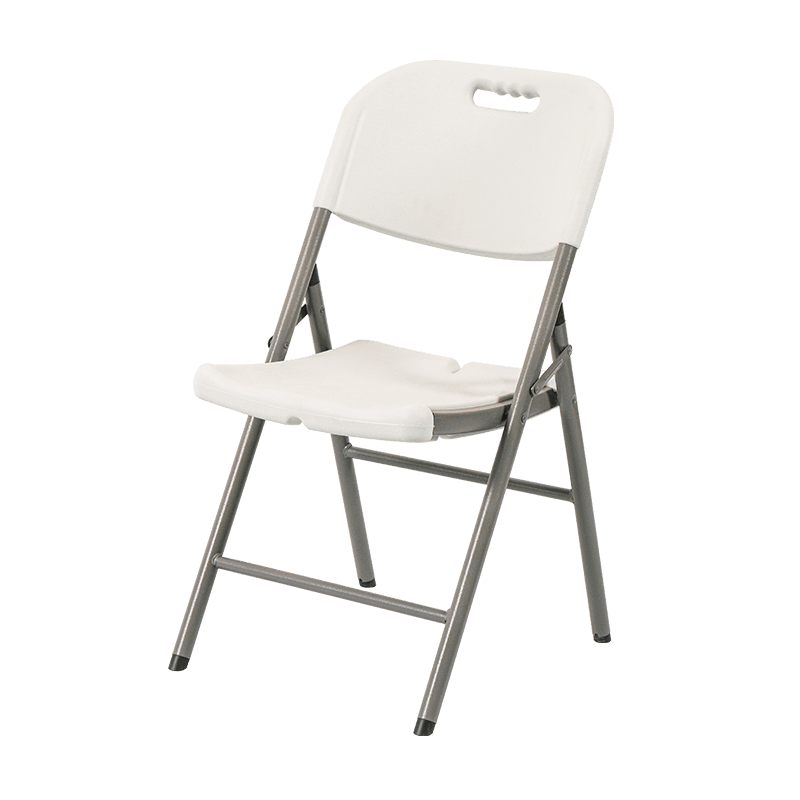
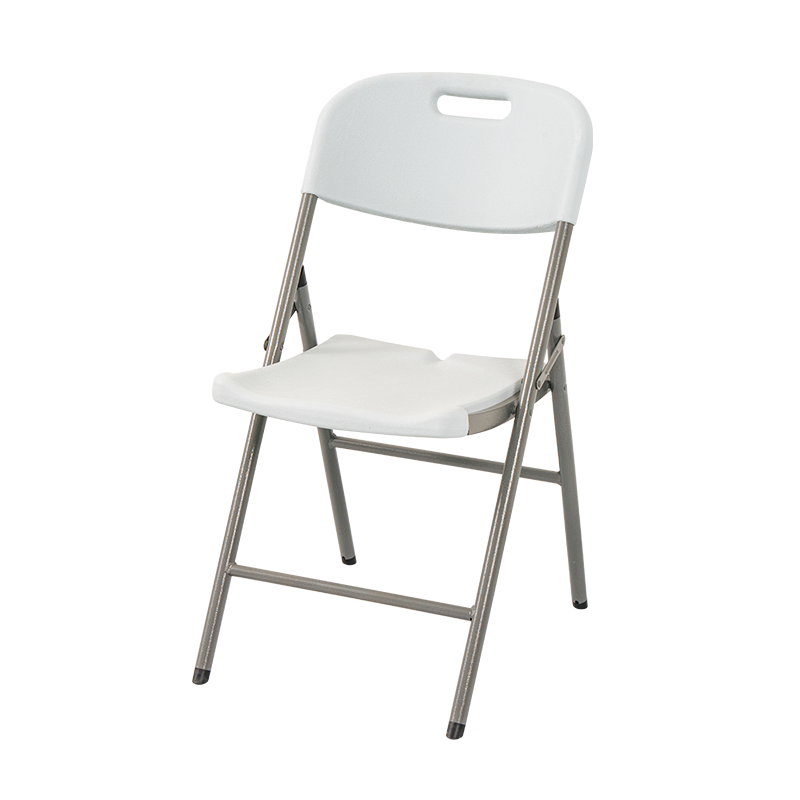
Most plastic folding chairs are constructed from high-density polyethylene (HDPE) or polypropylene (PP) shells mounted on a steel or aluminum frame. The distinction matters: HDPE is denser, more impact-resistant, and handles UV exposure far better than standard PP, which can become brittle and fade after prolonged sun exposure.
Premium plastic folding chairs — such as those used by rental companies — feature a double-wall HDPE shell that distributes weight more evenly and resists cracking under repeated stress. The legs are typically powder-coated steel tubing at 18–22 mm diameter, providing a stable base without adding excessive weight.
Where Plastic Folding Chairs Outperform Metal
Weight and Portability
A standard plastic folding chair weighs roughly 4 kg, compared to 6–9 kg for a comparable steel model. For events requiring staff to move hundreds of chairs — setting up a 200-seat outdoor wedding, for example — that difference of 2–5 kg per chair translates to significantly less physical strain and faster setup time.
Moisture and Outdoor Environments
Plastic chairs have no metal-on-metal contact points that trap moisture, making them inherently rust-free. This makes HDPE plastic folding chairs the practical choice for:
- Poolside and beach events
- Garden parties and outdoor festivals
- School cafeterias and gymnasium seating
- Community halls in humid or coastal climates
Cost Efficiency for High-Volume Purchases
At $8–$25 per unit, plastic folding chairs cost roughly half the price of entry-level metal alternatives. A community organization buying 100 chairs saves $1,000–$3,500 by choosing plastic over basic metal models — a meaningful budget difference for non-profit or occasional-use scenarios.
Cleaning and Hygiene
The seamless, non-porous surface of a plastic shell can be wiped clean in seconds with a damp cloth or disinfectant spray. Metal chairs with padded fabric seats absorb spills, harbor bacteria, and require significantly more effort to sanitize — a real operational cost in food service, healthcare waiting areas, or childcare settings.
Where Metal Folding Chairs Are the Better Choice
Higher Load Capacity
Commercial-grade steel folding chairs routinely support 200–250 kg, compared to 135–180 kg for most plastic models. For events serving a diverse general public, metal chairs provide a safety margin that reduces liability risk.
Long-Term Durability and Commercial ROI
A well-made steel folding chair with a powder-coated finish can last 15–20 years under heavy commercial use. Event rental companies often calculate that a $45 metal chair, rented out at $1.50 per event and used 80 times per year, pays for itself in under 5 months — and continues generating revenue for over a decade.
Formal and Banquet Applications
Metal folding chairs — particularly padded banquet chairs with a chrome or gold frame — are the visual standard at weddings, galas, and corporate events. Their appearance under tablecloths and against event décor is simply more polished than a plastic shell. When aesthetics directly affect client perception and pricing, metal wins.
Common Types of Plastic Folding Chairs
Not all plastic folding chairs are equivalent. Understanding the main types helps you match the product to the use case:
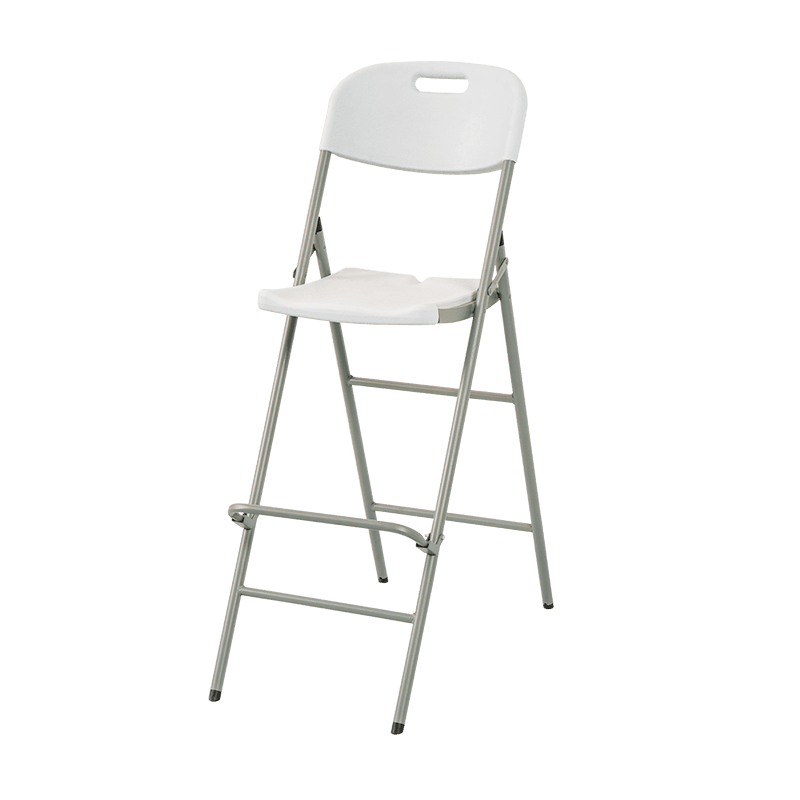
- Standard resin chair: Polypropylene shell, steel frame; best for light indoor use and infrequent events. Load capacity typically around 135 kg.
- Heavy-duty HDPE chair: Thicker shell, reinforced frame; rated to 160–180 kg; used by rental companies and schools.
- Contoured comfort chair: Ergonomic curve molded into the back and seat; reduces fatigue for multi-hour seated events.
- Resin folding chair with wood-look finish: Designed to mimic the aesthetic of a Chiavari chair at a fraction of the cost; popular for budget weddings.
Key Factors to Evaluate Before Buying
- Frequency of use: Daily or near-daily use favors metal; occasional use (monthly or less) favors plastic on cost grounds.
- User weight range: If your venue serves a general adult public, ensure rated capacity exceeds your heaviest expected user by at least 20%.
- Storage space: Plastic chairs typically stack slightly higher per square meter of storage than metal alternatives.
- Environment: Outdoor or high-humidity settings strongly favor plastic; formal indoor settings favor metal.
- Total cost of ownership: Factor in replacement frequency, not just purchase price. A $12 plastic chair replaced every 5 years costs more over 20 years than a $45 metal chair that lasts the same period.
Verdict: Which Folding Chair Is Right for You?
Choose a plastic folding chair if you need lightweight portability, moisture resistance, easy cleaning, and cost-effective bulk purchasing for light-to-moderate use. Choose a metal folding chair if you need maximum load capacity, long commercial lifespan, or a formal appearance for weddings and upscale events.
For most households, schools, community organizations, and casual event organizers, a heavy-duty HDPE plastic folding chair priced between $15 and $22 represents the optimal balance of performance, practicality, and value. For professional rental operations or high-frequency commercial venues, the higher upfront investment in commercial steel pays back reliably over time.
Featured Products Showcase