English
 中文简体
中文简体
Author: HUIRUI
Date: Apr 01, 2026
How Big Is a Standard Folding Table? Sizes & Buying Guide
Content
- 1 How Big Is a Standard Folding Table? The Direct Answer
- 2 Complete Size Chart: All Standard Folding Table Dimensions
- 3 Outdoor Plastic Folding Table: What Makes It Different from Indoor Models
- 4 How Many People Fit at Each Folding Table Size?
- 5 Choosing the Right Size Outdoor Plastic Folding Table for Your Use Case
- 6 Key Features to Look for When Buying an Outdoor Plastic Folding Table
- 7 Space Planning: How Much Room Do You Need Around a Folding Table?
- 8 Caring for Your Outdoor Plastic Folding Table to Maximize Lifespan
How Big Is a Standard Folding Table? The Direct Answer
The most common standard folding table is 6 feet long (72 inches) × 30 inches wide × 29 to 30 inches tall. This is the size you'll find at most event rental companies, schools, churches, and banquet halls—and it seats 6 to 8 adults comfortably. The 8-foot version (96 inches × 30 inches) is the next most popular, used when more linear surface area is needed.
For outdoor plastic folding tables specifically, these dimensions are nearly universal across major manufacturers. The plastic tabletop—typically high-density polyethylene (HDPE) or polypropylene—is molded to these standard measurements so that linens, covers, and accessories from different brands remain interchangeable. Height is standardized at 29 to 30 inches to match standard chair seat heights of 17 to 19 inches.
Complete Size Chart: All Standard Folding Table Dimensions
Folding tables are produced in a consistent range of sizes that cover the majority of residential, commercial, and outdoor event needs. Here is the full breakdown of standard sizes and their typical seating capacity:
| Table Type | Length | Width | Height | Seats | Best For |
|---|---|---|---|---|---|
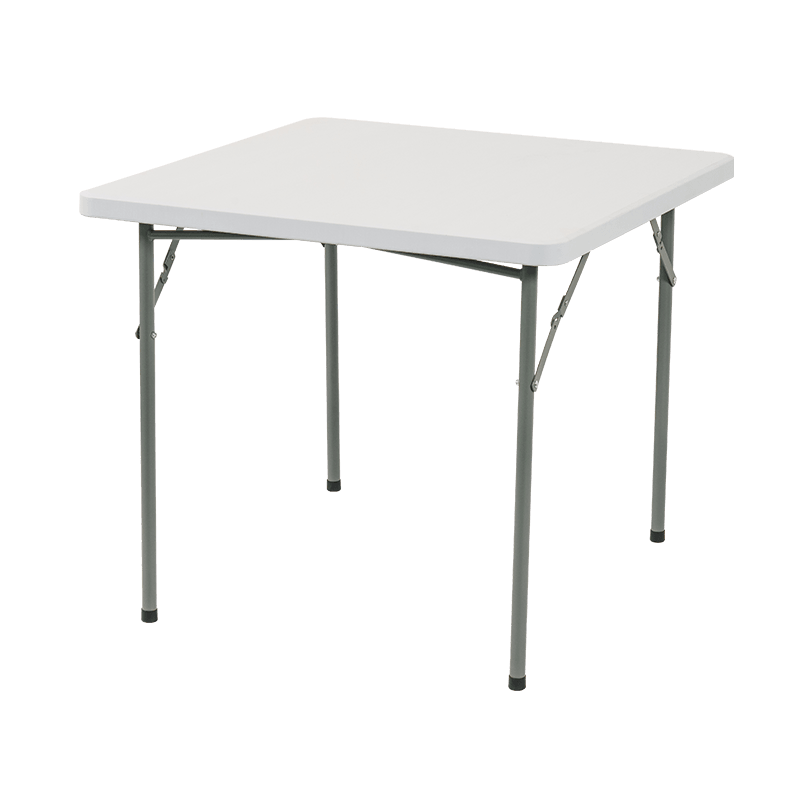
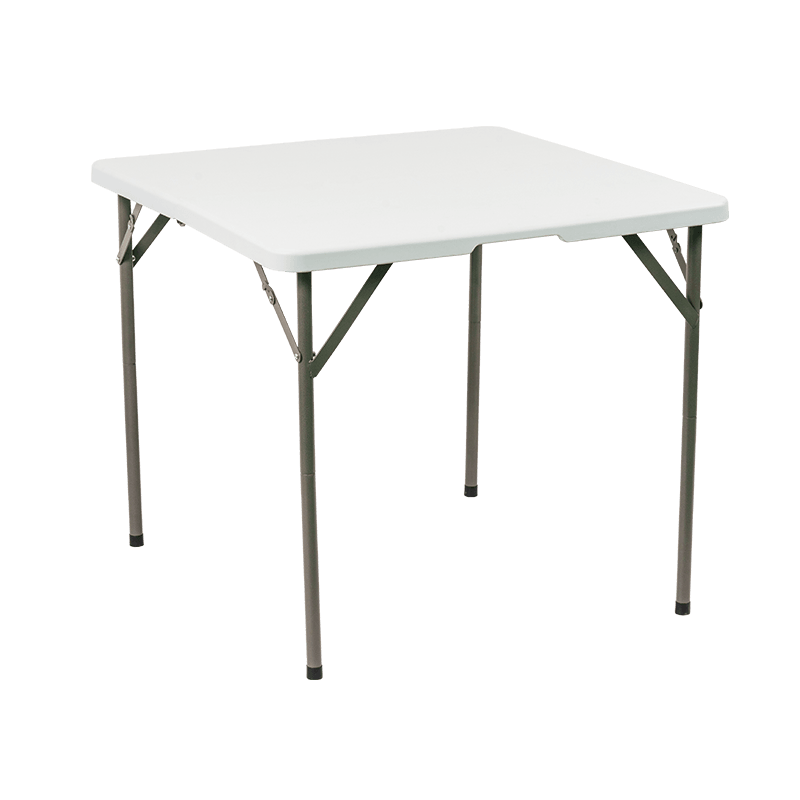
| Card / Small | 34–36 in | 34–36 in | 28–30 in | 2–4 | Card games, small patios |
| 4-Foot Rectangle | 48 in | 24–30 in | 29–30 in | 4 | Kids' parties, vendor tables |
| 6-Foot Rectangle | 72 in | 30 in | 29–30 in | 6–8 | Banquets, BBQs, markets |
| 8-Foot Rectangle | 96 in | 30 in | 29–30 in | 8–10 | Large events, buffet lines |
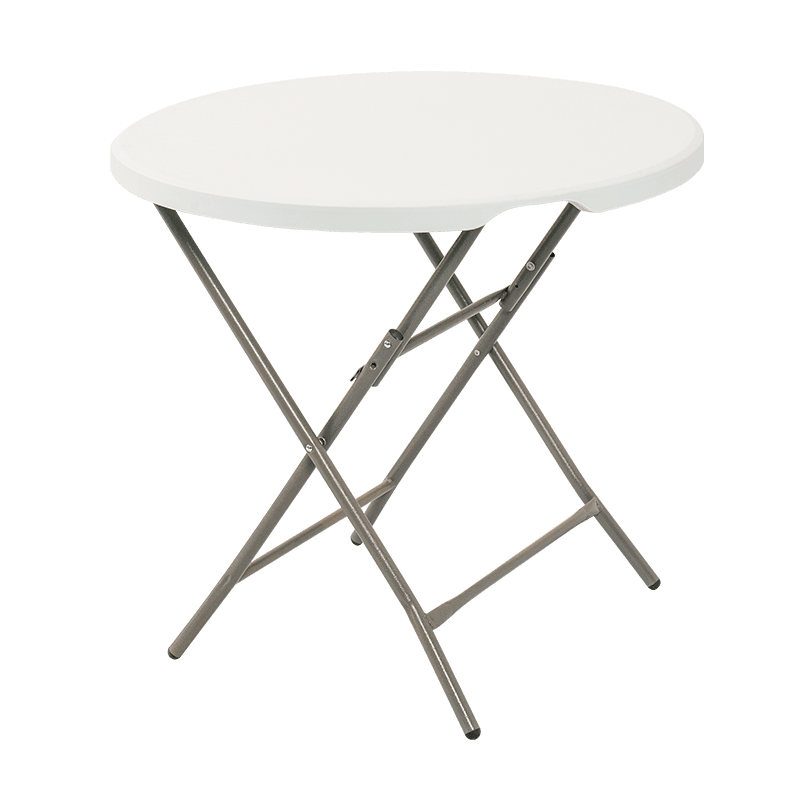
| Round (Small) | 48 in diameter | — | 29–30 in | 4–6 | Outdoor dining, cocktail parties |
| Round (Large) | 60 in diameter | — | 29–30 in | 8 | Wedding receptions, galas |
| Serpentine / Half-Round | 60 in | 30 in | 29–30 in | Varies | Buffets, curved table arrangements |
The 6-foot rectangle is considered the industry default. When event professionals, rental companies, or schools refer to "a standard folding table" without further specification, they almost always mean the 72 × 30 × 29-inch model.
Outdoor Plastic Folding Table: What Makes It Different from Indoor Models
Not all folding tables are built for outdoor use. An outdoor plastic folding table is specifically engineered to withstand UV exposure, moisture, temperature swings, and rough handling that would degrade a standard indoor model within a season or two.
Tabletop Material: HDPE vs. Polypropylene
The two dominant plastics used in outdoor folding tables are high-density polyethylene (HDPE) and polypropylene (PP). HDPE is the superior choice for outdoor use—it resists UV degradation, does not absorb moisture, and maintains structural integrity across a temperature range of roughly -40°F to 120°F. Polypropylene is lighter and less expensive but becomes brittle in cold temperatures and fades faster under direct sunlight. Quality outdoor plastic folding tables specify HDPE and include UV-inhibitor additives in the resin formulation.
Frame and Leg Construction
Outdoor folding table legs are typically made from powder-coated steel or aluminum. Powder-coated steel is more rigid and cost-effective but will rust if the coating is chipped and the table sits in standing water. Aluminum legs—lighter at roughly 40 percent less weight than steel equivalents—are naturally corrosion-resistant and are the preferred choice for marine environments, poolside use, or areas with high humidity. Look for legs with a wall thickness of at least 1.2 mm for steel and 1.5 mm for aluminum to ensure stability under load.
Weight Capacity Ratings
Standard outdoor plastic folding tables typically carry static weight capacities of 300 to 500 lbs evenly distributed across the surface. Commercial-grade models from brands like Lifetime, Cosco, and Flash Furniture are rated at 500 lbs static load. Dynamic load—the force of someone leaning on or pushing down sharply—is a different figure and is typically 50 to 60 percent of the static rating. Never use a table as a step stool regardless of its rated capacity.
Folded Thickness and Portability
When folded, a standard 6-foot outdoor plastic folding table collapses to approximately 3 to 4 inches thick, making it easy to roll on a dolly cart or store vertically against a wall. Most 6-foot models weigh between 20 and 32 lbs depending on frame material and tabletop thickness. Aluminum-frame versions come in at the lower end; steel-frame commercial models trend toward the upper end.
How Many People Fit at Each Folding Table Size?
Seating capacity depends on the table shape, whether chairs are placed on the ends, and the amount of elbow room you want to provide. The standard planning guideline is 24 inches of linear table space per seated adult for comfortable dining. For tighter configurations like craft fairs or exams, 20 inches per person is workable.
Rectangular Table Seating
- 4-foot table (48 in): 2 people per long side = 4 comfortably; add 1 per end for 6 total in tight settings.
- 6-foot table (72 in): 3 people per long side = 6 comfortably; up to 8 with end seats.
- 8-foot table (96 in): 4 people per long side = 8 comfortably; up to 10 with end seats.
Round Table Seating
- 48-inch diameter: 4 to 5 adults comfortably; 6 when needed.
- 60-inch diameter: 8 adults comfortably—this is the standard wedding reception table configuration used by event planners globally.
- 72-inch diameter: 10 to 12 adults; less commonly available as a folding table but used in banquet hall settings.
For outdoor events, add 10 to 15 percent more space per person than you would indoors—outdoor chairs tend to be wider and people need more room to move when they're not in a formal dining setting.
Choosing the Right Size Outdoor Plastic Folding Table for Your Use Case
The right size depends on three variables: how many people you need to seat, how much floor or ground space you have, and what activities the table will support. Here's a practical breakdown by common use case:
Backyard BBQs and Casual Outdoor Dining
A 6-foot outdoor plastic folding table is the most versatile choice for home use. It seats a family of 6 comfortably, fits on most standard patios (which average 12 × 12 feet), and can double as a buffet or serving table when not used for seating. If you frequently host groups of 10 or more, pair two 6-foot tables end-to-end rather than buying a single 8-foot model—two smaller tables are easier to store and reconfigure.
Farmers Markets, Craft Fairs, and Vendor Booths
The standard vendor booth is 10 × 10 feet. A single 8-foot folding table fits across the front of this space with approximately 12 inches of clearance on each side—enough for table skirts. Some vendors prefer two 4-foot tables for flexibility in L-shaped or corner configurations. For product display rather than seating, table height matters more than length: look for models with adjustable legs that convert between 29 inches (standard), 36 inches (counter height), and 42 inches (bar height).
Camping and Tailgating
For camping and tailgating, portability takes priority over seating capacity. A 4-foot model weighing under 15 lbs is ideal—it fits in most car trunks when folded and provides ample surface for food prep, cooking supplies, or a small group of 4. Some outdoor plastic folding tables in this category include carry handles molded into the tabletop edge, eliminating the need for a separate carrying case.
Commercial Event and Rental Use
Event rental companies standardize on 6-foot and 8-foot rectangular tables plus 60-inch round tables. This three-model lineup covers 95 percent of event configurations. Commercial-grade outdoor plastic folding tables for rental use prioritize stackability (most stack 12 to 15 units high on a dolly) and surface durability over lightweight construction. Look for tabletops with a textured or matte finish—glossy surfaces show scratches quickly and become slippery when wet.
Key Features to Look for When Buying an Outdoor Plastic Folding Table
With dozens of outdoor plastic folding tables on the market at wildly varying price points—from under $40 to over $200—knowing which specifications actually matter helps you avoid buying a table that fails within a season.
- HDPE tabletop with UV inhibitors: Confirm the product listing specifies HDPE (not generic polypropylene) and UV-resistant additives. A quality HDPE outdoor table should show minimal fading after 3 to 5 years of regular outdoor exposure.
- Powder-coated or galvanized steel legs: Bare steel legs will rust within one outdoor season in humid climates. Powder coating adds corrosion resistance; galvanized steel is the most durable option for consistently wet environments.
- Locking leg mechanism: The leg lock should engage with a positive click and require deliberate action to release. Loose or wobbly leg locks are a safety hazard and the most common structural failure point on budget folding tables.
- Molded carrying handle: Tables without an integrated handle are awkward to carry over distances. A handle molded into the tabletop edge costs nothing in manufacturing and significantly improves usability—its absence is often a sign of corner-cutting in design.
- Non-slip foot caps: Plastic or rubber foot caps protect both the table legs and the surface beneath them. On outdoor use over grass or gravel, wider foot caps distribute load and prevent sinking. Replaceable foot caps extend overall table life significantly.
- BIFMA or ANSI certification: The Business and Institutional Furniture Manufacturers Association (BIFMA) standard for folding tables (ANSI/BIFMA X5.1) specifies minimum load, stability, and durability testing. Tables that carry this certification have been independently verified to meet commercial-grade performance benchmarks.
- Warranty length: Consumer-grade outdoor plastic folding tables typically carry a 1 to 2-year warranty. Commercial-grade models from established brands often offer 5 to 10-year warranties, which is a reliable proxy for build quality.
Space Planning: How Much Room Do You Need Around a Folding Table?
Knowing the table dimensions is only half the equation. Proper event and outdoor space planning requires accounting for chairs, walkways, and service aisles around each table.
- Chair depth: A standard folding chair adds approximately 18 to 20 inches behind the table edge when occupied. A seated person with their chair pushed back needs about 36 inches total from the table edge to allow comfortable exit.
- Walkway clearance: Allow a minimum of 36 inches between table edges for a one-person walkway; 48 to 60 inches for a service aisle where food or drinks are being passed.
- Full room footprint per table: A 6-foot rectangular table with chairs on both long sides and a 36-inch aisle on each side occupies a floor space of approximately 72 inches × 102 inches (6 ft × 8.5 ft).
- Round table footprint: A 60-inch round table with chairs requires a circular floor area of approximately 10 to 11 feet in diameter to allow comfortable seating and exiting from all positions.
For outdoor events on grass or uneven terrain, add an extra 6 to 12 inches of clearance around each table to account for chair legs sinking slightly and guests needing more lateral movement than on a hard, flat surface.
Caring for Your Outdoor Plastic Folding Table to Maximize Lifespan
A quality outdoor plastic folding table can last 10 to 15 years with proper maintenance—or fail within 2 to 3 seasons if neglected. The maintenance requirements are simple but make a significant difference in longevity.
- Clean after every outdoor use. Wipe down the tabletop with mild soap and water. Bird droppings, tree sap, and food residue left on the surface trap moisture against the plastic and accelerate UV degradation.
- Dry completely before folding and storing. Folding a wet table traps moisture in the hinge mechanism and leg brackets, accelerating rust on steel components even through powder coating.
- Store vertically or stacked in a covered area. Horizontal storage outdoors allows water to pool on the tabletop surface. UV exposure when not in use is cumulative—even a shed or garage extends tabletop life significantly compared to leaving the table outside year-round.
- Apply UV protectant spray annually. Products like 303 Aerospace Protectant or similar UV-blocking sprays applied to HDPE tabletops restore and extend the UV-inhibitor effect, preventing the chalky, faded surface that indicates UV damage has begun.
- Lubricate the leg hinges once a year. A light application of WD-40 or silicone spray to the folding mechanism prevents corrosion and keeps legs deploying and locking smoothly. Dry, corroded hinges are the primary mechanical failure point on aging folding tables.
- Never exceed the rated weight capacity or use as a step. Overloading stresses the leg locking mechanisms and can cause sudden collapse—a safety hazard that voids most manufacturer warranties. The rated static capacity assumes load is distributed evenly across the entire surface.
Featured Products Showcase