English
 中文简体
中文简体
Author: HUIRUI
Date: Apr 08, 2026
How to Set Up a Folding Table: Complete Step-by-Step Guide
Content
- 1 How to Set Up a Folding Table: Step-by-Step
- 2 Types of Folding Table Leg Mechanisms and How Each Opens
- 3 Setting Up an Outdoor Plastic Folding Table: Extra Considerations
- 4 Choosing the Right Outdoor Plastic Folding Table for Your Use Case
- 5 Common Setup Mistakes That Cause Accidents or Damage
- 6 How to Fold and Store an Outdoor Plastic Folding Table Correctly
- 7 Maintenance and Lifespan of Outdoor Plastic Folding Tables
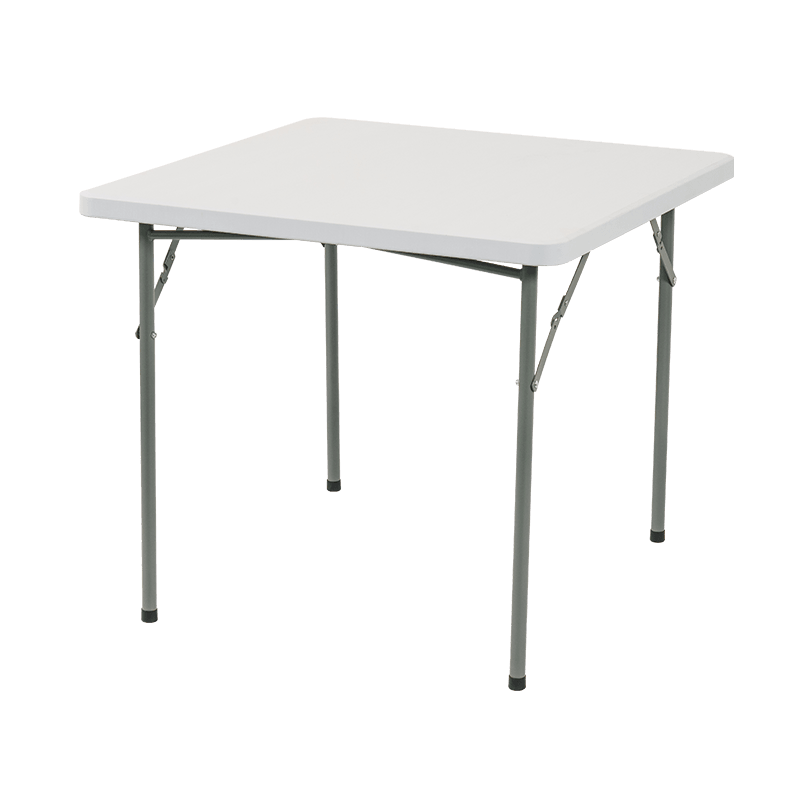
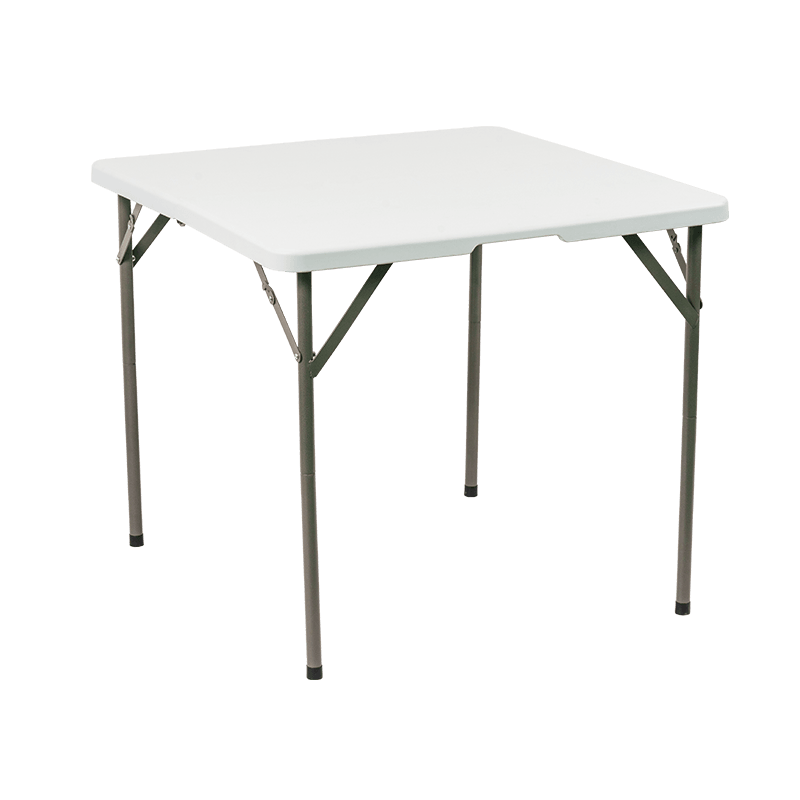
Setting up a folding table takes less than 60 seconds once you know the correct sequence: lay the table face-down, unlock the leg braces, unfold each leg pair until it locks, then flip the table upright and verify all locks are engaged before loading weight. For outdoor plastic folding tables specifically, there are a few additional steps—surface leveling, UV and moisture checks, and weight distribution—that prevent accidents and extend the table's lifespan. This guide covers the full setup process, common mistakes, and how to get the most out of an outdoor plastic folding table in any condition.
How to Set Up a Folding Table: Step-by-Step
The following steps apply to the most common folding table designs—including standard rectangular plastic folding tables, banquet-style tables, and lightweight utility models. While specific locking mechanisms vary by brand, the core sequence is consistent.
- Place the table face-down on a clean surface. Lay the table upside down on a flat, clean area—grass, pavement, or a padded floor. This protects the tabletop surface from scratches and gives you full access to the leg mechanism.
- Locate the leg locking braces. Most folding tables have a metal or plastic crossbar connecting each leg pair, with a sliding or pivoting brace that holds the legs open. Identify whether your table uses a push-button lock, a slide-and-click brace, or a tension-lock hinge before proceeding.
- Unfold the first leg pair. Grip the legs near the hinge point and pull them away from the tabletop. Apply steady outward pressure until you feel or hear a distinct click—this confirms the brace has locked into the open position. Do not force the legs if resistance is felt; check for a release latch first.
- Unfold the second leg pair. Repeat the same process on the opposite end. Ensure both leg pairs are at the same angle and fully extended—uneven leg deployment is the most common cause of table wobble.
- Verify all four locks are engaged. Before flipping, physically push inward on each leg pair. If any leg folds back under pressure, the brace is not fully locked. Re-open and re-lock before continuing.
- Flip the table upright with a partner if it is large. For tables 6 ft (183 cm) or longer, use two people—one at each end—to lift and rotate the table upright simultaneously. Solo flipping of large tables is a common cause of tabletop damage and back strain.
- Check stability on the surface. Once upright, press down firmly on all four corners and the center of the table. All four legs should contact the ground evenly. If the table rocks, adjust leg height if adjustable feet are present, or place a rubber shim under the short leg.
- Confirm the weight limit before loading. Most standard plastic folding tables support 150–300 lbs (68–136 kg) of evenly distributed weight. Check the manufacturer label on the underside of the table before placing heavy items.
Types of Folding Table Leg Mechanisms and How Each Opens
Not all folding tables open the same way. Knowing your table's mechanism prevents forced deployment and broken braces—a repair that can cost $15–$40 in replacement hardware or render the table unusable.
| Mechanism Type | How to Open | Common On |
|---|---|---|
| Slide-and-click brace | Pull legs out; slide metal bar toward leg until it clicks into notch | Standard plastic folding tables |
| Push-button release | Press button to unlock, pull leg out to open, release button to lock | Adjustable-height folding tables |
| Tension hinge lock | Pull legs outward—spring tension holds open automatically at full extension | Lightweight camping/card tables |
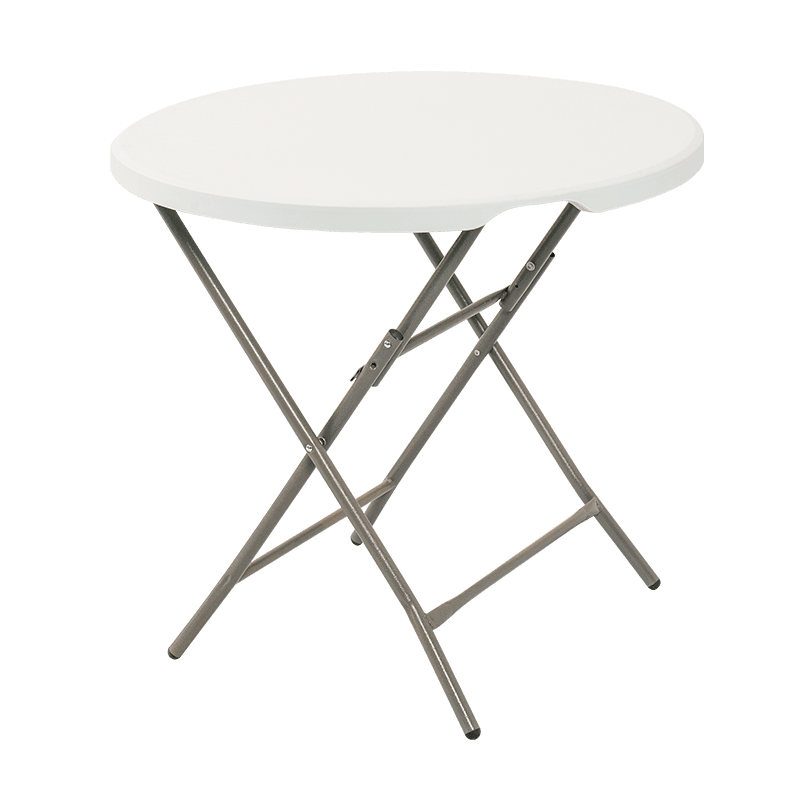
| Single-leg center post | Unfold base legs radially; center column extends and locks at desired height | Round bistro and cocktail tables |
| Scissor-leg design | Pull tabletop upward—crossing legs auto-extend and lock via X-brace | Compact utility and craft tables |
Setting Up an Outdoor Plastic Folding Table: Extra Considerations
Outdoor plastic folding tables—typically made from high-density polyethylene (HDPE) or polypropylene with steel or aluminum legs—are designed to handle the elements, but proper setup outdoors requires additional attention beyond basic leg deployment.
Choose the Right Ground Surface
Unlike hard indoor floors, outdoor surfaces are rarely perfectly flat. On grass or gravel, use the following approach:
- On soft grass, place the table on a plywood board (at least 12mm thick) or interlocking rubber tiles to prevent legs from sinking, especially when loaded with food, equipment, or merchandise.
- On uneven pavement or gravel, use rubber leg caps or furniture leveling feet. Many commercial outdoor folding tables include adjustable glides that can compensate for up to 15 mm of height difference between legs.
- Avoid placing tables on steep slopes exceeding 5°—items will slide and table stability is compromised, particularly when loaded above 50% of rated capacity.
Account for Wind Before Loading
An unloaded 6 ft plastic folding table weighs approximately 15–22 lbs (7–10 kg) and presents a large flat surface area. In winds above 20 mph (32 km/h), an empty table can tip or blow over. Before placing items:
- Orient the table so its long axis runs perpendicular to the prevailing wind direction to reduce the effective sail area.
- Place heavier items (coolers, boxes) on the table immediately after setup to anchor it.
- Use tent weights or sandbag anchors clipped to the legs if the table will sit unattended or under a canopy that can act as a wind catch.
Inspect for UV and Heat Damage Before Each Use
HDPE plastic is UV-resistant but not UV-proof. After 3–5 years of regular outdoor storage, the plastic surface may become chalky, brittle, or discolored. Before setup, check:
- The tabletop surface for hairline cracks or stress whitening near the leg attachment points—these indicate structural fatigue and mean the table should not be loaded above 50% of its rated capacity.
- The leg brace hardware for rust (on steel models) or oxidation (on aluminum). Light rust on steel braces can be treated with a wire brush and rust-inhibiting spray; severe pitting means the lock integrity cannot be trusted.
- Plastic leg caps or rubber feet for missing or cracked pieces that would allow metal legs to dig into or scratch the ground surface.
Choosing the Right Outdoor Plastic Folding Table for Your Use Case
Outdoor plastic folding tables come in several standard sizes and weight classes. Selecting the correct one before setup ensures you are not overloading a light-duty model or transporting an unnecessarily heavy table for a simple task.
| Size | Seats | Typical Weight Capacity | Best For |
|---|---|---|---|
| 4 ft (122 cm) | 4 | 150–200 lbs (68–91 kg) | Picnics, small vendor booths, crafts |
| 5 ft (152 cm) | 6 | 200–250 lbs (91–113 kg) | Backyard dining, small events |
| 6 ft (183 cm) | 6–8 | 250–300 lbs (113–136 kg) | Parties, markets, food service |
| 8 ft (244 cm) | 8–10 | 300–350 lbs (136–159 kg) | Banquets, trade shows, large events |
| Round 60" (152 cm) | 8 | 250–300 lbs (113–136 kg) | Wedding receptions, outdoor dining |
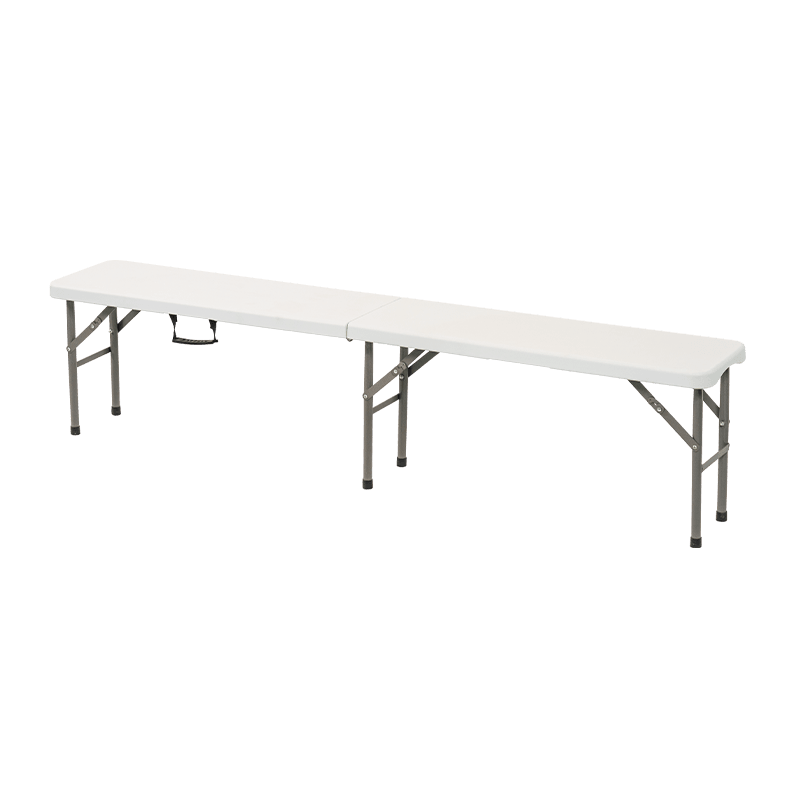
The 6 ft rectangular model is the most versatile and widely used outdoor plastic folding table—it fits a standard 6 ft tablecloth, seats up to 8 guests, and is carried by a single adult at approximately 18–22 lbs (8–10 kg).
Common Setup Mistakes That Cause Accidents or Damage
The majority of folding table failures—collapses, tipped tables, and broken braces—are caused by a small set of repeatable setup errors. Avoiding these will protect both your table and anyone near it.
- Not fully locking the leg braces. A partially engaged brace can hold light loads but collapses under dynamic weight—such as someone leaning on the table or placing a heavy item at one end. Always confirm the audible or tactile click before flipping the table upright.
- Overloading one end or one side. Folding tables are rated for evenly distributed weight. Placing a 50 lb (23 kg) cooler at one end of a table rated for 250 lbs total can lever the opposite legs off the ground and tip the table, even though the load is within the rated capacity.
- Setting up on soft ground without a base. Steel legs on soft grass or wet soil can sink 1–2 inches within an hour under normal event loading, causing tables to become uneven and potentially tipping drinks, food, or equipment.
- Using a table with a cracked or damaged brace. A visibly bent steel brace or cracked plastic locking tab reduces the table's effective capacity by as much as 60%. Replace or retire the table rather than risking a collapse under load.
- Solo-flipping large tables. A person attempting to flip an 8 ft table alone risks dropping it on their feet, cracking the plastic top against the floor, or straining their back. Tables over 6 ft should always be flipped by two people.
- Sitting or standing on the table. Even a table rated for 300 lbs of distributed load is not designed for a concentrated point load such as a person standing in the center. Plastic tabletops can crack and legs can buckle under this type of stress.
How to Fold and Store an Outdoor Plastic Folding Table Correctly
Proper folding and storage extends the table's functional life from 3–5 years to 10+ years for quality HDPE models. The folding process is the reverse of setup:
- Clear all items from the table surface before folding. Even light items left on the table can shift and scratch the surface during folding.
- Tip the table onto its side with a partner for large models, then gently lower it face-down onto a clean surface.
- Release the brace lock on one leg pair—press the release tab or slide the brace inward—then fold the legs flat against the underside.
- Repeat for the second leg pair. Confirm both leg pairs are fully flat; a half-folded leg will prevent the table from sitting flush against a wall or fitting in a storage bag.
- Store vertically in a dry location. Most 6 ft plastic folding tables have a carrying handle molded into the frame for upright vertical storage—this is preferred over flat stacking, which places shear stress on the tabletop over time.
Outdoor Storage Tips
- Store in a shed, garage, or under a UV-protective cover rather than leaving outdoors year-round. Continuous UV exposure degrades HDPE and causes surface chalking within 2–3 seasons.
- If stacking multiple tables flat, place a thin foam pad or moving blanket between each table to prevent surface scuffing and reduce pressure on the leg hinges.
- After outdoor use, wipe down steel leg components with a dry cloth to remove moisture before storage—this prevents rust formation on the brace hardware over winter or extended storage periods.
- Apply a light coat of silicone spray lubricant to the leg hinges and brace mechanisms once per season to maintain smooth operation and prevent metal-on-metal corrosion at the pivot points.
Maintenance and Lifespan of Outdoor Plastic Folding Tables
A quality outdoor plastic folding table from brands such as Lifetime, Cosco, or Flash Furniture—typically priced between $50 and $200—can last 10–15 years with proper care. Budget models under $40 often use thinner HDPE (less than 1 inch thick) and lighter-gauge steel legs that may show fatigue within 3–5 years of regular outdoor use.
- Cleaning: Use mild soap and water for routine cleaning. For stains, a diluted bleach solution (1 part bleach to 10 parts water) is safe on HDPE without degrading the plastic. Avoid abrasive scrubbers that scratch the surface and create grooves where bacteria and mold can accumulate.
- UV restoration: If the surface has become chalky, apply an automotive plastic restorer or a UV-protectant spray (such as 303 Aerospace Protectant) to restore appearance and slow further UV degradation.
- Hardware replacement: Most manufacturers sell replacement leg braces and rubber feet as spare parts for $5–$15 per set. Replacing worn hardware is far more cost-effective than purchasing a new table.
- Inspect annually: Before the start of each outdoor season, inspect all four leg welds or rivet points, the brace lock mechanisms, and the tabletop for any cracks or deformation. Early detection of hairline cracks at stress points prevents catastrophic failure during an event.
Featured Products Showcase