English
 中文简体
中文简体
Author: HUIRUI
Date: Apr 15, 2026
What Are Folding Chairs Made Of? Plastic, Frame & More
Content
- 1 Plastic Materials Used in Folding Chair Seats and Backs
- 2 Frame Materials: Steel, Aluminum, and What Sets Them Apart
- 3 What Makes an Outdoor Plastic Folding Chair Weather-Resistant
- 4 Plastic Folding Chair Construction: How the Parts Connect
- 5 Plastic Folding Chair Types and Their Materials at a Glance
- 6 How to Choose the Right Plastic Folding Chair for Your Needs
- 7 Environmental Considerations: Recyclability of Plastic Folding Chair Materials
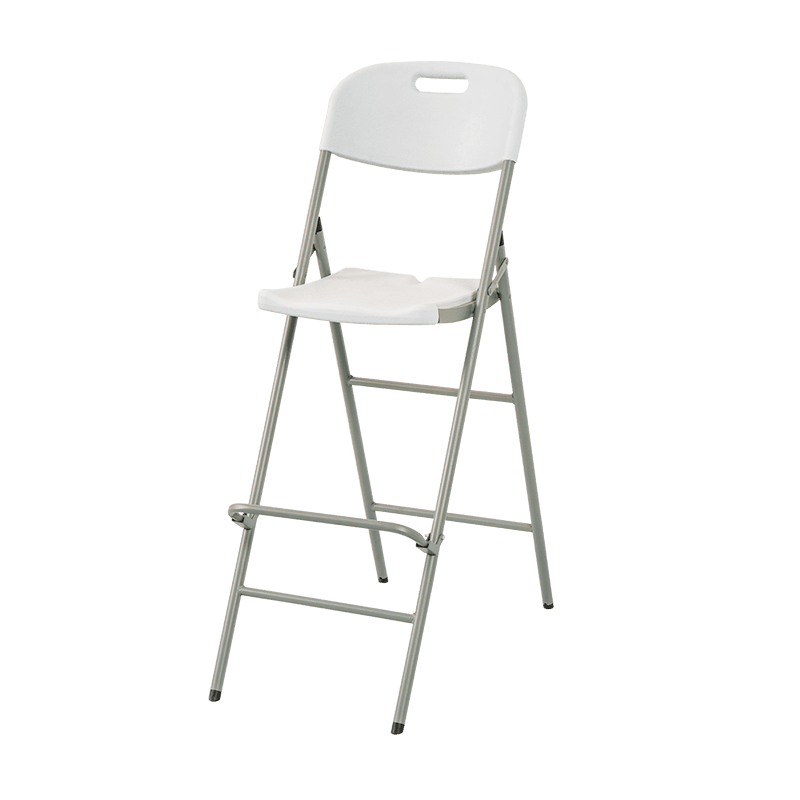
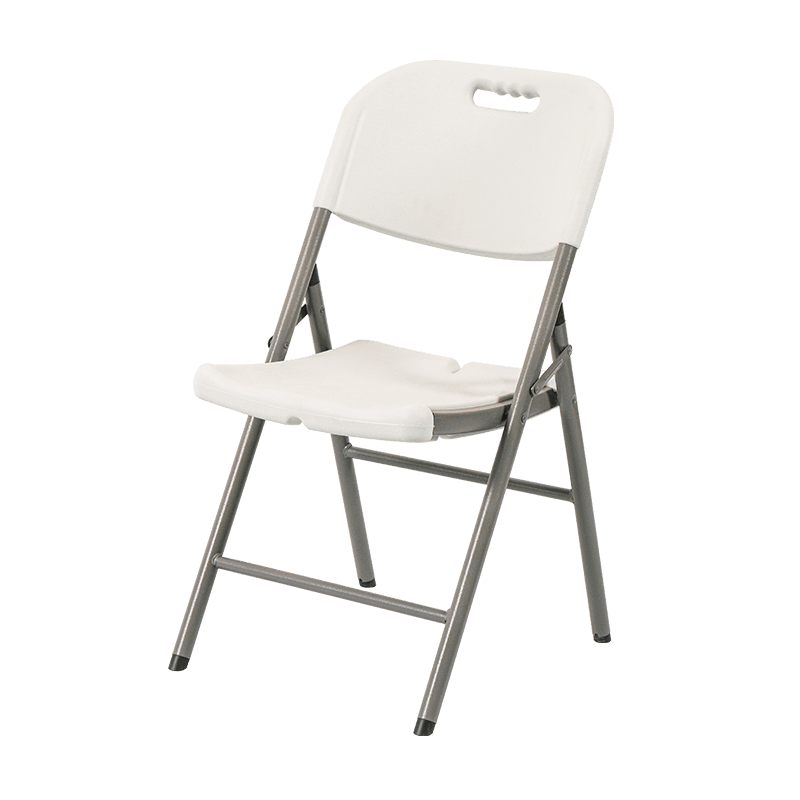
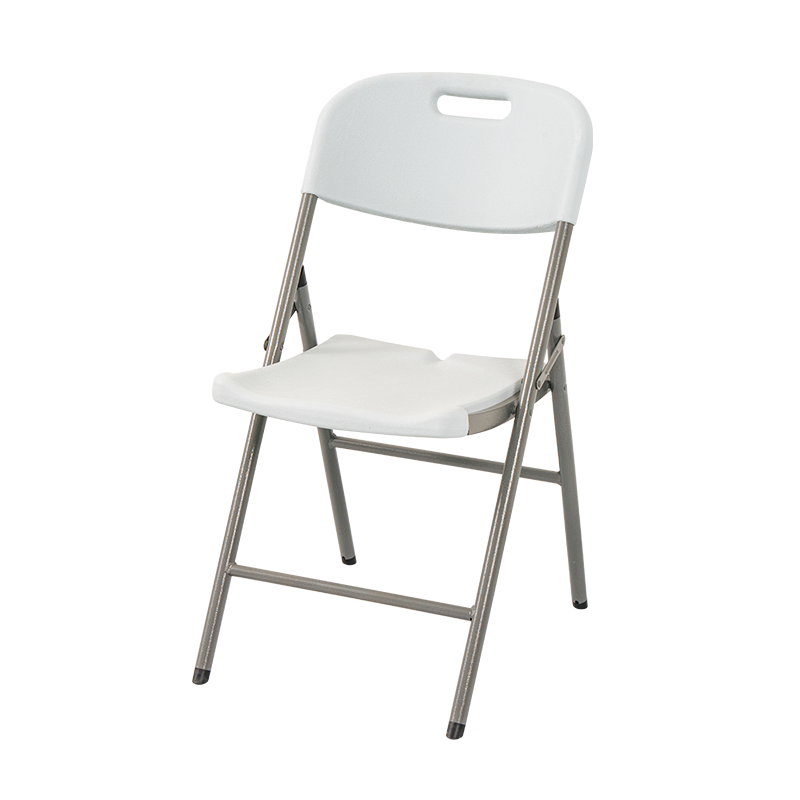
Folding chairs are made from a combination of materials depending on their intended use, price point, and design. The most common folding chair is the plastic folding chair, which uses a polypropylene (PP) seat and back shell supported by a steel or aluminum frame. Higher-end models may use high-density polyethylene (HDPE) or reinforced resin for greater durability, while premium or specialized versions incorporate wood, fiberglass, or upholstered foam. For outdoor plastic folding chairs specifically, UV-stabilized polypropylene and powder-coated or anodized metal frames are the standard construction, chosen for their resistance to sun, moisture, and temperature extremes.
Plastic Materials Used in Folding Chair Seats and Backs
The plastic shell—the seat and backrest—is the defining component of a plastic folding chair. Different plastic resins offer different trade-offs between cost, strength, flexibility, and outdoor suitability.
Polypropylene (PP) — The Most Common Choice
Polypropylene is the dominant material in mass-market plastic folding chairs. It is lightweight, inexpensive to injection-mold, and has good chemical resistance. A standard polypropylene folding chair shell weighs approximately 0.8–1.2 kg and can support a static load of 150–200 kg (330–440 lbs) when properly ribbed and reinforced.
- Cost-effective and widely recyclable (resin code #5)
- Good impact resistance at room temperature but becomes brittle below –10°C (14°F)
- Requires UV stabilizer additives for outdoor use; untreated PP degrades and discolors within 1–2 seasons of sun exposure
- Available in virtually any color; color is molded throughout the material, not painted on
High-Density Polyethylene (HDPE)
HDPE is used in higher-quality outdoor plastic folding chairs because it is significantly more resistant to UV radiation, moisture, and temperature cycling than standard polypropylene. It maintains flexibility at low temperatures (down to approximately –50°C / –58°F), making it the preferred material for chairs that will remain outdoors year-round in cold climates.
- Excellent UV and weather resistance without requiring separate stabilizer additives
- Slightly heavier and more expensive than PP but more durable outdoors
- Resistant to most cleaning chemicals, ideal for commercial and event use
- Commonly used in commercial-grade outdoor furniture rated for 200–250 kg (440–550 lbs)
Reinforced Resin and Filled Polypropylene
Some folding chairs described as "resin chairs" use glass-fiber-reinforced polypropylene or mineral-filled PP compounds. Adding 10–30% glass fiber content to a polypropylene base increases flexural stiffness by 2–4 times compared to unfilled PP, allowing thinner, lighter shells without sacrificing load capacity. This is the material most commonly found in commercial-grade banquet folding chairs used in hotels, conference centers, and event venues.
Acrylonitrile Butadiene Styrene (ABS)
ABS is occasionally used for premium or designer folding chairs where a high-gloss, dimensionally precise surface is important. It offers better surface hardness and scratch resistance than PP but is more expensive and less UV-stable, making it better suited to indoor use.
Frame Materials: Steel, Aluminum, and What Sets Them Apart
The frame provides the structural backbone of any folding chair. The frame material determines weight, corrosion resistance, load rating, and longevity—especially for outdoor plastic folding chairs exposed to moisture.
| Frame Material | Typical Weight (per chair) | Corrosion Resistance | Load Capacity | Best Use |
|---|---|---|---|---|
| Steel (powder-coated) | 3.5–5.5 kg | Moderate (coating dependent) | 150–250 kg | Indoor, events, dry outdoor use |
| Aluminum (anodized) | 2.0–3.5 kg | Excellent (naturally rust-free) | 120–200 kg | Outdoor, poolside, coastal environments |
| Galvanized Steel | 4.0–6.0 kg | Good (zinc coating) | 180–300 kg | Heavy-duty outdoor/commercial use |
| Stainless Steel | 4.5–6.5 kg | Excellent | 200–300 kg | Marine, food service, premium outdoor |
For outdoor plastic folding chairs, an aluminum frame is the best long-term investment—it will not rust even when stored in wet conditions, weighs roughly 30–40% less than a comparable steel frame, and requires no maintenance coating over its lifetime. Steel frames cost less upfront but require intact powder coating to prevent rust; once the coating chips, corrosion begins quickly in humid or wet outdoor environments.
What Makes an Outdoor Plastic Folding Chair Weather-Resistant
Not every plastic folding chair is suitable for permanent outdoor use. Several specific design and material features determine whether a chair will hold up through seasons of sun, rain, humidity, and temperature swings.
UV Stabilization in the Plastic Shell
Ultraviolet radiation breaks down polymer chains in plastic, causing fading, surface chalking, and eventual brittleness. Outdoor-grade plastic folding chairs incorporate UV stabilizer additives—typically hindered amine light stabilizers (HALS) or UV absorbers—blended directly into the polypropylene or HDPE resin during manufacturing. A properly UV-stabilized outdoor chair shell should retain acceptable color and mechanical properties for 3–7 years of direct sun exposure, compared to 1–2 seasons for unstabilized plastic.
Drainage Design
Quality outdoor plastic folding chairs feature small drainage holes or a slightly contoured seat surface to prevent water pooling. Standing water accelerates mold growth, promotes corrosion at metal attachment points, and makes chairs immediately uncomfortable after rain. Look for seats with visible drain holes or a forward-sloped contour that sheds water naturally.
Corrosion-Proof Frame Finish
For steel-frame outdoor chairs, the quality of the powder coat finish is critical. A properly applied powder coat—typically 60–80 microns thick—creates a hard, seamless barrier against moisture and oxidation. Thin or poorly cured coatings chip at folding pivot points (a high-stress area), allowing rust to begin. Anodized aluminum frames eliminate this concern entirely, as the anodizing process converts the surface itself into a hard aluminum oxide layer that cannot peel or chip.
Non-Slip Feet and Floor Glides
Outdoor plastic folding chairs should have rubber or vinyl caps on all four legs. These serve dual purposes: preventing slipping on wet surfaces like pool decks or patios, and protecting the end of the metal frame tube from direct water exposure—the most common point of rust initiation on steel-frame chairs.
Plastic Folding Chair Construction: How the Parts Connect
Understanding how a plastic folding chair is assembled helps explain differences in durability and load rating between models.
- Shell-to-frame attachment: The plastic seat and back shells attach to the frame via steel bolts, rivets, or snap-fit brackets. Bolted connections are the most secure and allow the shells to be replaced independently; snap-fit designs are cheaper to assemble but the connection degrades over time, especially outdoors.
- Pivot mechanism: The folding hinge at the seat-to-back-leg junction is the most mechanically stressed point on the chair. Better-quality chairs use a double-rivet or through-bolt pivot rather than a single-rivet design; the additional fastener distributes the shear load and significantly extends pivot life.
- Cross bracing: Most plastic folding chairs have a horizontal cross brace connecting the two rear legs just below the seat. This brace prevents racking (side-to-side flex) under load. Chairs without a cross brace or with a thin, lightweight brace are structurally inferior and will develop wobble sooner under repeated use.
- Ribbing in the plastic shell: The underside of a quality polypropylene seat shell is not flat—it features a grid of structural ribs molded in. These ribs increase the section modulus of the shell, dramatically improving its resistance to flex and deflection under load without adding significant weight or material cost.
Plastic Folding Chair Types and Their Materials at a Glance
| Chair Type | Seat/Back Material | Frame Material | Typical Weight Capacity | Outdoor Suitability |
|---|---|---|---|---|
| Budget / Value | Standard PP | Powder-coated steel | 135–150 kg (300–330 lbs) | Limited (no UV stabilizer) |
| Standard Indoor/Event | UV-stabilized PP | Powder-coated steel | 160–200 kg (350–440 lbs) | Moderate |
| Outdoor Plastic Folding Chair | UV-stabilized PP or HDPE | Anodized aluminum | 150–200 kg (330–440 lbs) | Excellent |
| Commercial / Heavy-Duty | Glass-filled resin or HDPE | Galvanized or thick steel | 200–300 kg (440–660 lbs) | Good to excellent |
| Padded / Banquet | PP shell + foam + fabric | Powder-coated steel | 135–180 kg (300–400 lbs) | Poor (fabric absorbs moisture) |
How to Choose the Right Plastic Folding Chair for Your Needs
Knowing the materials helps you make a more informed purchasing decision. Here are the most important factors to evaluate:
For Outdoor Use
- Confirm the shell is made from UV-stabilized polypropylene or HDPE—this should be stated in the product specification, not just implied by the color
- Choose an aluminum frame over steel if the chair will be left outdoors or used near water (pools, beaches, patios)
- Verify that the chair has rubber or vinyl leg caps to protect both the floor surface and the frame ends from moisture
- Look for seat drain holes if the chair will be exposed to rain without cover
For Commercial or High-Use Indoor Applications
- Prioritize weight capacity ratings of 200 kg (440 lbs) or higher for public or event use
- Look for glass-fiber-reinforced resin shells or thick-section HDPE for durability under repeated use and stacking
- Check the stacking rating—commercial-grade outdoor plastic folding chairs are typically rated for 8–15 chairs per stack
- Bolt-on shell attachment is preferable to riveted or snap-fit designs for long service life in commercial settings
For Occasional Household Use
- Standard UV-stabilized polypropylene on a powder-coated steel frame provides good value and a lifespan of 5–10 years with normal care
- Store indoors or under cover when not in use to significantly extend the frame finish and plastic shell life, even on outdoor-rated models
- Wipe clean with mild soap and water—avoid bleach-based cleaners on PP shells, as they accelerate surface degradation over time
Environmental Considerations: Recyclability of Plastic Folding Chair Materials
Both polypropylene (resin code #5) and high-density polyethylene (resin code #2) are technically recyclable thermoplastics. However, the mixed-material construction of most plastic folding chairs—plastic shells bonded or bolted to metal frames—complicates end-of-life recycling. The chair must be disassembled to separate the plastic from the metal before either stream can be recycled.
Some manufacturers now offer chairs made with post-consumer recycled (PCR) polypropylene content—typically 30–50% recycled material blended with virgin resin—without compromising structural performance. When longevity and sustainability are both priorities, choosing a chair with a recycled-content PP shell and an aluminum frame (itself highly recyclable) is the most environmentally responsible option among conventional folding chair constructions.
Featured Products Showcase