English
 中文简体
中文简体
Author: HUIRUI
Date: May 27, 2026
How to Close a Folding Chair: Easy Step-by-Step Guide
Content
- 1 How a Plastic Folding Chair Works
- 2 Step-by-Step: How to Close a Standard Plastic Folding Chair
- 3 Closing Different Types of Plastic Folding Chairs
- 4 How to Close an Outdoor Plastic Folding Chair
- 5 Common Problems When Closing a Folding Chair (and Fixes)
- 6 Safe Practices When Folding and Handling Plastic Chairs
- 7 Best Ways to Store Plastic Folding Chairs After Closing
- 8 Maintenance That Keeps Your Chair Folding Smoothly
- 9 Quick Reference: Folding Chair Closing Checklist
To close a plastic folding chair, lift the seat upward while pushing the backrest and seat toward each other until the chair locks flat. Most standard plastic folding chairs — including outdoor models — follow this same basic mechanism. The process takes under 5 seconds once you know the correct motion. This guide breaks down every step, covers common chair types, troubleshooting tips, and storage best practices.
How a Plastic Folding Chair Works
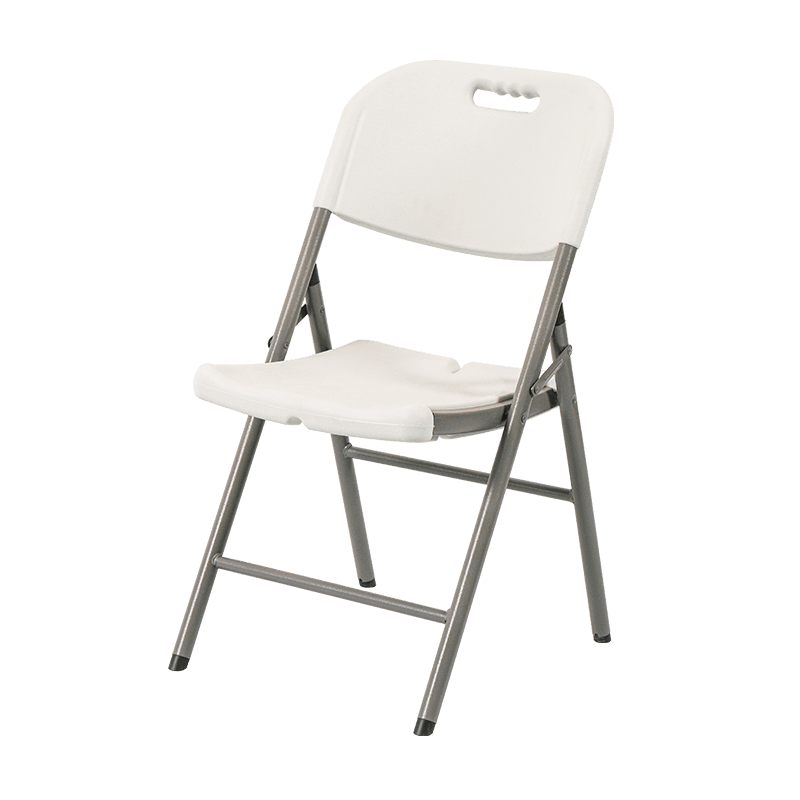
Before learning how to close one, it helps to understand the mechanics. A plastic folding chair operates on a pivot-hinge system connecting the seat, backrest, and leg frames. When open, the legs splay outward and a locking mechanism — either a pin, bracket, or tension joint — holds the chair stable under weight of up to 250–350 lbs for most standard models.
When you fold it, you're collapsing this hinge so the seat and back lie parallel to the legs, reducing the chair's footprint to roughly 2–4 inches thick. Outdoor plastic folding chairs often use reinforced hinges with weather-resistant coatings to prevent rust and warping.
Step-by-Step: How to Close a Standard Plastic Folding Chair
- Stand behind the chair — Position yourself at the back of the chair for the most natural grip and leverage.
- Confirm no one is seated — Always verify the chair is unoccupied before folding to avoid injury.
- Grip the backrest with both hands — Place one hand on each side of the upper backrest frame.
- Push the backrest forward and downward — Apply gentle, even pressure so the seat begins to rise from underneath.
- Lift the seat with your knee or free hand — Some models require a slight upward nudge to the seat to release the locking bracket.
- Continue folding until flat — The seat and backrest should come together in a flat, parallel position against the legs.
- Check the lock or strap — Many chairs include a retaining strap or latch to keep them folded during transport or storage.
The entire process should feel smooth. If you're forcing it, you're likely missing a locking pin release or pushing in the wrong direction.
Closing Different Types of Plastic Folding Chairs
Not all folding chairs use the same mechanism. Here's a breakdown of the most common types and how each closes:
| Chair Type | Closing Method | Special Step |
|---|---|---|
| Standard resin folding chair | Push back + lift seat | None required |
| Slatted outdoor plastic chair | Push back forward | Slats may catch; fold slowly |
| Metal-framed plastic seat chair | Release side locking pins first | Press inward on pin tabs |
| Stackable folding hybrid chair | Lift seat panel upward | Back stays fixed; only seat folds |
| Kids' plastic folding chair | Same as standard, lighter force | Watch for pinch points near hinges |
How to Close an Outdoor Plastic Folding Chair
Outdoor plastic folding chairs — commonly made from high-density polyethylene (HDPE) or polypropylene resin — are designed to withstand UV exposure, rain, and temperature fluctuations. However, these conditions can affect how easily they fold.
Before You Fold an Outdoor Chair
- Dry the chair first — Wet hinges can cause resistance or trap debris. Wipe them down with a cloth before folding.
- Check for warping — High heat (above 140°F / 60°C on direct pavement) can warp plastic seats. Warped sections may resist folding flat.
- Clear debris from hinge joints — Outdoor chairs collect dirt, leaves, and grit in pivot points. A quick brush or rinse removes blockages.
- Let hot chairs cool — A chair left in direct summer sun can reach surface temperatures of over 150°F. Wait before handling or folding.
The Folding Steps for Outdoor Models
The steps are the same as standard indoor chairs, but apply slightly more even pressure on outdoor models due to heavier-duty frames. Many outdoor plastic folding chairs weigh between 8–15 lbs compared to 5–8 lbs for basic indoor resin chairs, so stable footing is important when folding.
Common Problems When Closing a Folding Chair (and Fixes)
Chair Won't Fold Flat
This is usually caused by a locked safety bracket that hasn't been released. On many chairs, a metal bar or plastic tab locks under the seat when open. Look underneath the seat for a horizontal bar or clip — push it forward or inward before attempting to fold again.
Hinges Are Stiff or Stuck
Apply a small amount of silicone-based lubricant (not WD-40 on plastic, as it can degrade certain resins) to the hinge joint. Work the chair open and closed several times. For outdoor chairs exposed to salt air or hard water, mineral buildup in hinges is common — a diluted white vinegar soak can dissolve deposits without harming most plastics.
Chair Folds But Won't Stay Closed
The retaining strap or hook is likely worn or missing. A simple Velcro strap or bungee cord works as a replacement for transport and storage. Replacement straps are also widely available for under $5 at hardware stores.
Plastic Cracks When Folding
Cracking usually signals UV degradation or cold-weather brittleness. Polypropylene and HDPE chairs become brittle below 32°F (0°C). Never force a cold plastic chair to fold — bring it to room temperature first. If cracking has already occurred near a load-bearing area, retire the chair to avoid injury.
Safe Practices When Folding and Handling Plastic Chairs
- Keep fingers away from hinge points — The hinge pivot area is the most common source of pinch injuries. Use palm pressure on flat surfaces instead of fingertip grips near moving joints.
- Warn nearby children — Folding chairs can snap shut quickly. Keep kids at least 3 feet away during folding.
- Don't stand on them to reach — Plastic folding chairs are not ladders. Most are rated for static sitting loads, not uneven standing pressure.
- Carry folded chairs vertically — Holding a folded chair at its midpoint vertically reduces strain and prevents accidental unfolding while walking.
Best Ways to Store Plastic Folding Chairs After Closing
Once closed, proper storage extends chair life significantly — especially for outdoor plastic folding chairs exposed to seasonal extremes.
Indoor Storage Tips
- Stack chairs horizontally in groups of no more than 10 to prevent bottom chairs from bearing excessive weight over time.
- Use a wall-mounted folding chair rack to store 10–20 chairs in a space of just 12–18 inches of wall depth.
- Store in a climate-controlled space when possible — temperature swings between 0°F and 100°F accelerate plastic fatigue.
Outdoor Storage Tips
- Use a waterproof furniture cover if chairs must stay outside. UV-stabilized covers rated for outdoor use last 3–5 years in most climates.
- Avoid leaving chairs in direct sunlight year-round — even UV-resistant plastics degrade after 3–7 years of constant exposure.
- In freezing climates, bring chairs indoors between October and April to prevent cold-crack damage.
Maintenance That Keeps Your Chair Folding Smoothly
A small amount of regular maintenance prevents the stiff hinges and stuck mechanisms most people encounter.
| Frequency | Task | Product/Tool |
|---|---|---|
| After each outdoor use | Wipe down hinges and seat | Damp cloth |
| Monthly (outdoor use) | Lubricate pivot joints | Silicone spray lubricant |
| Seasonally | Inspect for cracks, warps, loose rivets | Visual check + flex test |
| Annually | Apply UV protectant to plastic surfaces | 303 Aerospace Protectant or similar |
Chairs that receive this basic care routinely last 10–15 years even in demanding outdoor environments, versus 3–5 years for neglected units.
Quick Reference: Folding Chair Closing Checklist
- Chair is unoccupied
- Stand behind the backrest
- Release any locking pin or safety bar underneath the seat
- Push backrest forward while lifting seat if needed
- Fold until seat and back are flat and parallel to the legs
- Secure with retaining strap or latch
- Store upright or stacked in a protected location
Featured Products Showcase