English
 中文简体
中文简体
Author: HUIRUI
Date: Jun 03, 2026
Plastic Folding Table: How to Unfold and Set Up in 60 Seconds
Content
- 1 What You Need Before You Start
- 2 Step-by-Step: How to Unfold and Set Up a Plastic Folding Table
- 3 Setup Time and Effort by Table Size
- 4 Common Setup Mistakes and How to Avoid Them
- 5 How to Fold the Table Back Down Safely
- 6 Maintenance Tips to Keep the Locking Mechanism Working
- 7 When to Replace Instead of Repair
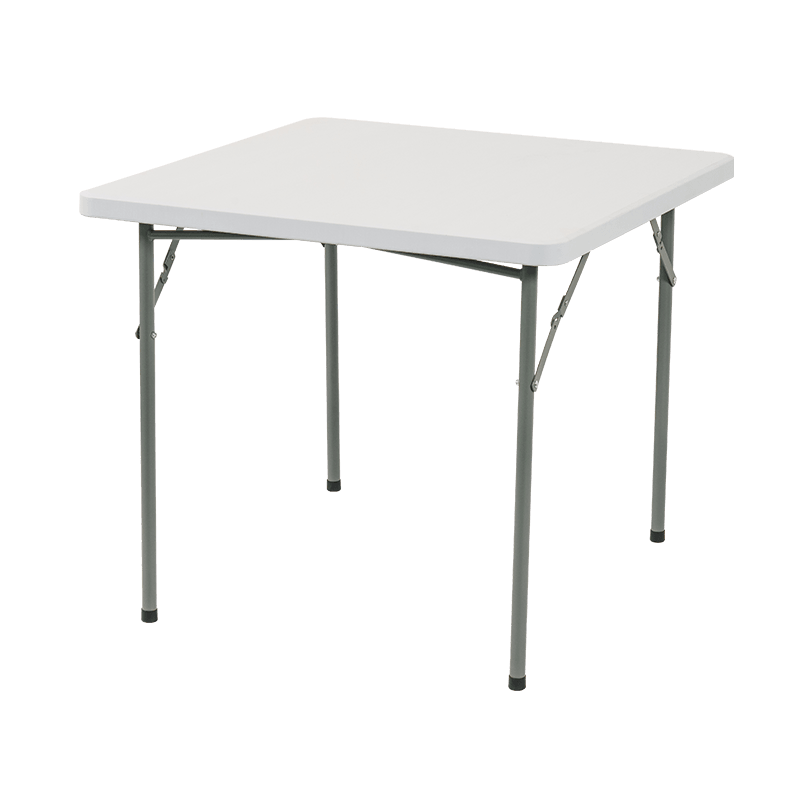
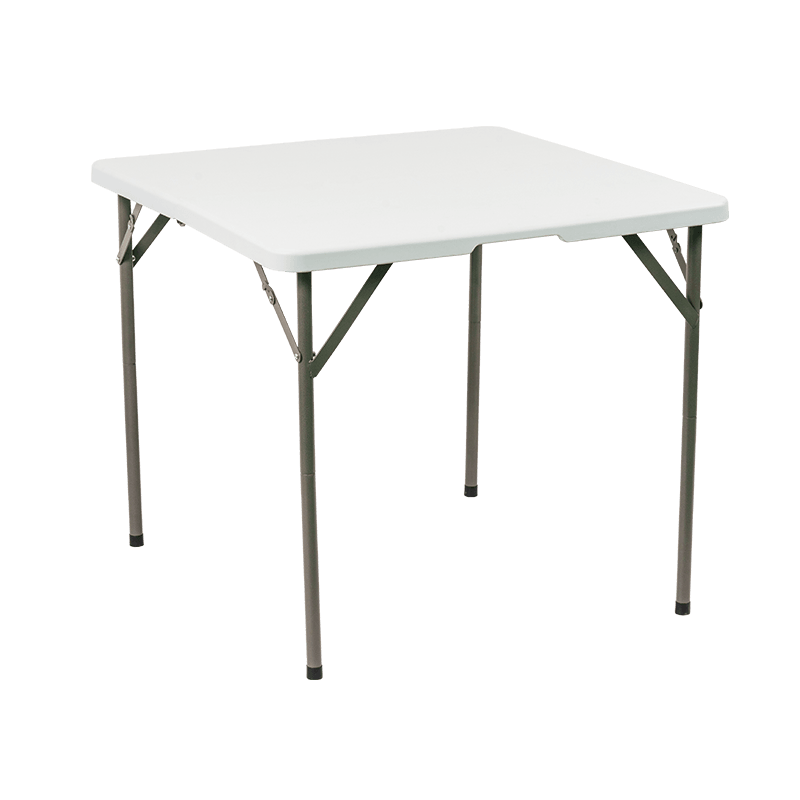
Setting up a plastic folding table is straightforward: unfold the tabletop, pull each leg downward until it clicks into the locked position, then flip the table upright and verify all legs are fully extended and stable. The entire process takes under 60 seconds for most standard models. This guide walks you through each step in detail, covers common setup mistakes, and helps you get the most out of your folding table safely.
What You Need Before You Start
No tools are required to set up a plastic folding table. However, a few quick checks before you begin can prevent accidents and extend the life of your table:
- Inspect the legs and locking brackets for cracks or bends
- Make sure the tabletop surface has no warping or deep stress fractures
- Clear a flat, open area at least 6 feet × 4 feet to safely unfold the table
- Check the manufacturer's weight capacity label — most standard 6-foot plastic folding tables support 150–300 lbs (68–136 kg)
Step-by-Step: How to Unfold and Set Up a Plastic Folding Table
Step 1 – Position the Table Face-Down on a Flat Surface
Lay the folded table flat with the tabletop facing down. This gives you clear access to both leg assemblies without straining your back or accidentally tipping the table. Place it on a clean floor or grass — avoid gravel or uneven terrain that can scratch the surface.
Step 2 – Locate the Leg Locking Mechanism
Most plastic folding tables use one of two locking systems:
- Spring-latch locks — a small metal or plastic tab that snaps into place automatically when the leg is fully extended
- Slide-bar locks — a horizontal bar that slides across to hold the leg open (common on heavier-duty models)
Identify which type your table uses before proceeding. If you're unsure, check the label on the underside of the table or the product manual.
Step 3 – Unfold the First Leg Assembly
Grip the first pair of legs and pull them away from the tabletop in a sweeping downward arc. Continue pulling until you hear or feel a distinct click — this confirms the lock has engaged. Do not force the legs past this point.
If your table has a slide-bar lock, push the horizontal bar inward toward the center of the leg frame after fully extending the legs. It should slide smoothly and lock into the retention notch.
Step 4 – Repeat for the Second Leg Assembly
Move to the opposite end of the table and repeat the same process. Both leg sets must be fully locked before you attempt to flip the table upright. Never stand a table on only one locked leg set — the imbalance can cause the table to collapse suddenly.
Step 5 – Flip the Table Upright
With both leg sets locked, carefully flip the table onto its legs. Grip the table frame or edge — not the legs — and rotate it upright in a controlled motion. For tables longer than 5 feet, have a second person assist to avoid stressing the central frame.
Step 6 – Perform a Stability Check
Before placing any items on the table, complete a quick safety check:
- Press down firmly on each corner — all four legs should remain planted
- Gently rock the table side-to-side; there should be minimal wobble
- Visually confirm that all locking tabs or slide bars are fully engaged
- Check that all four legs contact the floor evenly — if one leg is shorter, use a rubber leg cap or furniture pad to level it
Setup Time and Effort by Table Size
Plastic folding tables come in several standard sizes. Larger tables may require two people to flip upright safely.
| Table Size | Table Weight | Setup Time | People Needed |
|---|---|---|---|
| 4 ft (48 in) | ~17–22 lbs | 30–45 seconds | 1 |
| 6 ft (72 in) | ~24–30 lbs | 45–60 seconds | 1–2 |
| 8 ft (96 in) | ~34–42 lbs | 60–90 seconds | 2 |
| Card / 2.5 ft round | ~10–14 lbs | 20–30 seconds | 1 |
Common Setup Mistakes and How to Avoid Them
Even experienced users make errors that can damage equipment or cause injury. These are the most frequent problems:
Partially Locked Legs
A leg that appears open but hasn't fully clicked into the lock can collapse under as little as 20–30 lbs of pressure. Always listen and feel for the locking click on every leg before flipping the table. If a leg doesn't lock, check the latch for debris or damage.
Setting Up on Uneven Ground
Plastic folding tables are designed for flat surfaces. A slope of even 2–3 degrees can cause items to slide off and creates uneven stress on the leg joints over time. Use rubber leg caps or adjustable glides if you must use the table on a slightly uneven surface outdoors.
Exceeding the Weight Limit
Most consumer-grade 6-foot plastic folding tables are rated for 150–200 lbs evenly distributed. Concentrating weight in the center or at one end dramatically reduces safe capacity. Heavy-duty commercial models may support up to 300 lbs, but always check the label.
Flipping Before Both Legs Are Locked
Rushing through setup and flipping the table when only one leg set is secured is a leading cause of table collapses during events. Make it a habit to check both ends before standing the table upright.
How to Fold the Table Back Down Safely
Folding down is the reverse of setup, with one important precaution: always clear the table completely before folding. Even a lightweight item can shift and pinch fingers during the folding motion.
- Clear all items from the tabletop
- Tip the table onto its side or face-down on the floor
- Disengage the lock on the first leg set — press the spring latch or slide the bar back — then fold the legs flat against the underside
- Repeat for the second leg set
- Store vertically or horizontally in a dry location to prevent warping
Avoid storing plastic folding tables in direct sunlight for extended periods. Prolonged UV exposure can cause the polyethylene surface to become brittle, reducing the table's rated load capacity over time.
Maintenance Tips to Keep the Locking Mechanism Working
A well-maintained locking mechanism makes setup faster and safer every time. Follow these simple practices:
- Clean the latch area with a damp cloth after outdoor use to remove dirt and grit that can prevent the lock from engaging fully
- Apply a small amount of silicone-based lubricant to metal hinges and latch points once or twice per year — avoid oil-based lubricants that attract dust
- Inspect leg tips (rubber caps or glides) before each use and replace worn ones — bare metal or plastic legs can slip or scratch flooring
- Check all four leg joints for cracks or stress marks at least once per season, especially if the table is used frequently at events
With basic care, a quality plastic folding table can last 10–15 years even with regular commercial use.
When to Replace Instead of Repair
Some issues are signs that a table should be retired rather than patched:
- The locking latch no longer clicks or holds even after cleaning
- Leg tubes show visible bends, cracks, or corrosion at the joints
- The tabletop has deep stress fractures running across the surface
- The table wobbles significantly even after adjustment and leg-tip replacement
Replacement leg hardware is available from most manufacturers for under $10–$15, but if the structural frame itself is compromised, no repair makes the table safe to use under load.
Featured Products Showcase