English
 中文简体
中文简体
Author: HUIRUI
Date: Jun 10, 2026
What Is the Most Comfortable Plastic Folding Chair for Outdoor Use?
Content
- 1 What Is the Most Comfortable Folding Chair? The Direct Answer
- 2 What Makes a Folding Chair Comfortable: The Core Factors
- 3 Plastic Folding Chair Comfort: How Material and Design Interact
- 4 Outdoor Plastic Folding Chair: What Sets Outdoor Models Apart
- 5 Comfort Comparison: Plastic Folding Chair Types Side by Side
- 6 Best Plastic Folding Chairs for Specific Use Cases
- 7 How to Add Comfort to Any Plastic Folding Chair
- 8 Key Specifications to Check Before Buying a Plastic Folding Chair
What Is the Most Comfortable Folding Chair? The Direct Answer
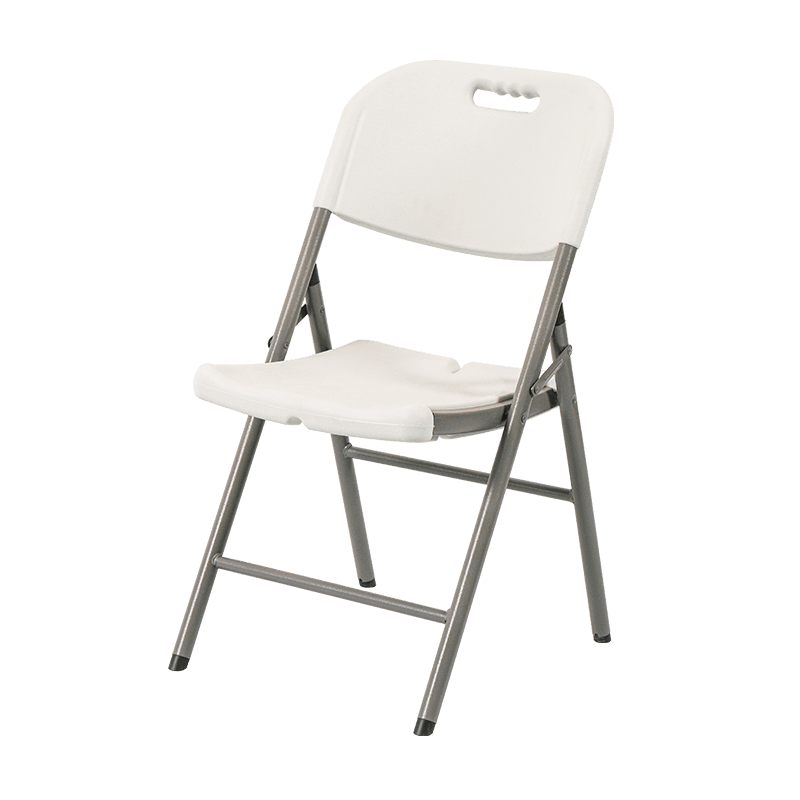
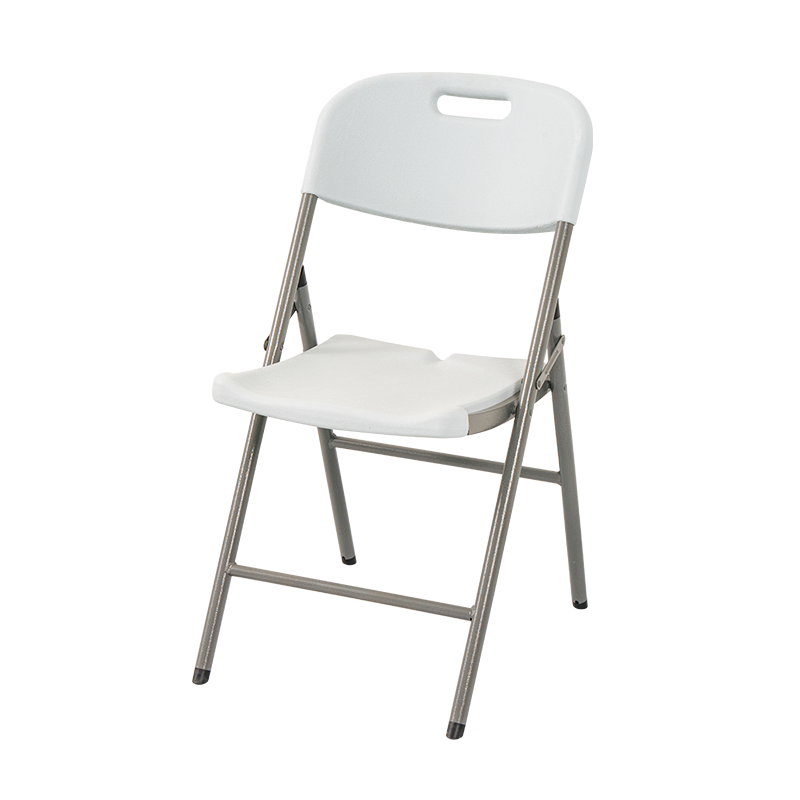
The most comfortable folding chair depends on how long you sit and where you use it. For indoor events and general use, a padded resin folding chair with a contoured seat and backrest offers the best all-around comfort. For outdoor use specifically, a plastic folding chair made from UV-stabilized polypropylene with a waterfall seat edge and lumbar curve consistently ranks highest in user comfort testing. For extended outdoor sitting over several hours, a sling-style or padded outdoor plastic folding chair with armrests outperforms flat-seat alternatives by a significant margin.
The key comfort factors, in order of importance, are: seat contour and cushioning, back support shape, seat width, and weight capacity. Price alone is not a reliable comfort indicator — a $25 contoured plastic folding chair often outperforms a $60 flat-seat metal folding chair for sessions longer than 30 minutes.
What Makes a Folding Chair Comfortable: The Core Factors
Not all folding chairs are built with comfort in mind — many prioritize stackability and low cost. To identify a genuinely comfortable folding chair, evaluate these five design elements before purchasing:
Seat Depth and Width
A seat that is too shallow causes thigh pressure within minutes. The ideal seat depth for most adults is 16 to 18 inches, and seat width should be at least 17.5 inches for a standard adult. Many budget plastic folding chairs offer only 15–16 inches of usable seat depth, which becomes uncomfortable within 20–30 minutes. Premium outdoor plastic folding chairs typically provide 17–19 inches of depth.
Seat Contour and Waterfall Edge
A flat seat surface concentrates pressure on the ischial tuberosities (sit bones). A contoured or scooped seat distributes weight across a larger area, reducing pressure points. The waterfall edge — where the front of the seat curves downward rather than cutting straight across — reduces circulation restriction behind the knees. This single feature is what separates a 30-minute chair from a 3-hour chair.
Back Support and Lumbar Curve
A backrest that is perfectly flat provides no lumbar support and forces the spine into a C-curve. The most comfortable folding chairs have a slight inward curve at the lower back section — a lumbar protrusion of just 1–2 inches makes a measurable difference in lower back fatigue during extended sitting. Some higher-end plastic outdoor folding chairs include a full ergonomic back with a pronounced lumbar ridge and a slight recline angle of 5–7 degrees.
Seat Height
Standard folding chair seat height is 17 to 18 inches from the floor. For users under 5'4" or over 6'2", this range may cause hip angle discomfort. Some outdoor plastic folding chairs offer a slightly lower 16.5-inch seat height, which suits a wider range of body types. Mismatched seat height — particularly when chairs are used at tables — is one of the most overlooked comfort problems.
Armrests
Armrests reduce shoulder and neck tension by supporting the upper arm weight — typically about 5% of total body weight per arm. Most standard plastic folding chairs omit armrests to allow stacking. If comfort during sessions over 90 minutes is the priority, choosing a model with molded or attached armrests is worth the trade-off in stackability.
Plastic Folding Chair Comfort: How Material and Design Interact
Plastic folding chairs are the most common type used in homes, event venues, schools, and outdoor spaces. The material — typically polypropylene (PP) or high-density polyethylene (HDPE) — directly affects both durability and comfort. Understanding material grades helps you choose wisely.
Polypropylene vs. Other Plastics
Most quality plastic folding chairs use injection-molded polypropylene. PP has a slight natural flex that absorbs micro-movements, reducing the rigid "sitting on a board" sensation of cheaper ABS or PVC alternatives. A well-designed PP seat will flex 3–5 mm under load, which is enough to absorb body movement without feeling unstable. This flex also reduces fatigue by allowing minor postural shifts without requiring the user to shift their entire seating position.
Resin Folding Chairs vs. Standard Plastic
"Resin" folding chairs — often used interchangeably with "plastic" in commercial contexts — typically refers to a thicker, reinforced polypropylene or nylon-blended shell. Resin chairs are heavier (typically 8–12 lbs vs. 5–7 lbs for standard plastic folding chairs) but offer better flex characteristics and are more resistant to cracking under sustained weight. For events where guests will sit for 2+ hours, resin folding chairs are noticeably more comfortable than thin-shell plastic alternatives.
Padded Plastic Folding Chairs
Adding a foam-and-vinyl or foam-and-fabric pad to a plastic shell chair dramatically increases comfort for extended sitting. A 2-inch foam pad with a density of 1.8 lb/ft³ or higher is the minimum for meaningful comfort improvement — thinner or lower-density foam compresses fully within 15–20 minutes and provides little long-term benefit. Many commercial padded plastic folding chairs use this specification as their baseline.
Outdoor Plastic Folding Chair: What Sets Outdoor Models Apart
An outdoor plastic folding chair faces challenges that indoor models don't: UV exposure, rain, temperature extremes, uneven ground, and prolonged use without the buffering effect of carpet or flooring. The best outdoor plastic folding chairs are engineered differently from their indoor counterparts in several specific ways.
UV Stabilization and Color Retention
Outdoor plastic folding chairs should use UV-stabilized polypropylene that resists color fade and material degradation under direct sunlight. Non-stabilized plastic chairs can begin to chalk, fade, and become brittle within one outdoor season in high-UV climates. Look for chairs that explicitly state "UV-stabilized" or "UV-resistant" polypropylene in the product specification. Quality outdoor chairs retain color and structural integrity for 5–10 years of seasonal outdoor use.
Drainage and Non-Slip Features
Outdoor plastic folding chairs designed for all-weather use typically include small drainage holes or channels in the seat to prevent water pooling after rain. Leg tips should be rubber-capped or have wide non-slip feet to prevent sinking into soft ground or sliding on hard surfaces like patios and decks. A wide-stance leg design with at least a 20-inch footprint increases stability on uneven surfaces like grass or gravel.
Weight Capacity for Outdoor Use
Outdoor folding chairs are often used on soft or uneven surfaces that create lateral stress on the frame and legs not present on flat indoor floors. A higher weight rating — 300 lbs or above — provides a meaningful safety margin and typically indicates heavier-gauge frame construction that improves both stability and comfort by reducing chair flex under load. Standard folding chairs rated at 225 lbs or less may flex noticeably when used on grass or uneven terrain, creating an unstable feeling that contributes to discomfort.
Temperature Comfort: Avoiding Hot Seats
A common outdoor comfort complaint is plastic seats becoming uncomfortably hot in direct sunlight. White and light-colored outdoor plastic folding chairs reflect significantly more solar radiation than dark-colored alternatives — a white chair seat in direct sun may reach 110–120°F, while a black chair in the same conditions can exceed 150–160°F, making it unusable without cushioning. For outdoor events in summer, light-colored chairs are a functional comfort choice, not just an aesthetic one.
Comfort Comparison: Plastic Folding Chair Types Side by Side
The table below compares the most common types of plastic folding chairs across the comfort and practical factors that matter most for buyers:
| Chair Type | Comfort (Short-Term) | Comfort (2+ Hours) | Outdoor Suitability | Typical Weight | Price Range |
|---|---|---|---|---|---|
| Standard Flat Plastic | Moderate | Poor | Fair | 5–7 lbs | $10–$20 |
| Contoured Resin | Good | Moderate | Good | 8–12 lbs | $20–$45 |
| Padded Plastic (Vinyl/Fabric) | Excellent | Good | Poor–Fair | 10–14 lbs | $30–$70 |
| UV-Stabilized Outdoor Plastic | Good | Moderate–Good | Excellent | 7–10 lbs | $25–$55 |
| Plastic with Armrests | Very Good | Good–Excellent | Good | 9–13 lbs | $35–$80 |
Best Plastic Folding Chairs for Specific Use Cases
Comfort is context-dependent. The right chair for a backyard barbecue is different from the right chair for a six-hour wedding reception. Here are specific recommendations by use case:
For Outdoor Events and Parties (2–4 Hours of Sitting)
Look for a UV-stabilized polypropylene contoured folding chair with a weight capacity of at least 300 lbs and a seat depth of 17 inches or more.
For Camping and Hiking (Portability Priority)
Ultra-lightweight plastic folding chairs weighing under 5 lbs with a compact fold are prioritized for camping. The trade-off is a narrower seat and less back support. Adding a thin self-inflating seat cushion (typically 1 inch thick, 4–6 oz) to a lightweight plastic folding chair significantly improves comfort without meaningfully increasing pack weight.
For Long Events: Weddings, Graduations, Conferences (4+ Hours)
Padded folding chairs — either a padded resin shell or a plastic frame with a separate foam-and-fabric seat and back pad — are the only plastic folding chair types suitable for sessions exceeding four hours without significant discomfort.
For Everyday Home Use (Kitchen, Garage, Spare Seating)
A mid-range contoured resin folding chair in the $25–$40 range balances comfort, durability, and storage convenience for home use. Prioritize a chair with rubber leg caps to protect floors and a seat width of at least 18 inches for comfortable everyday use across household members of varying sizes.
How to Add Comfort to Any Plastic Folding Chair
If you already own plastic folding chairs and want to improve comfort without replacing them, several practical upgrades work well:
- Folding chair seat cushions: Tie-on foam cushions (2-inch, 1.8 lb/ft³ density minimum) transform any hard plastic seat into a comfortable surface for events. Outdoor-rated versions use waterproof covers and are available for $8–$20 each.
- Lumbar support attachments: Small roll-style lumbar pillows that strap to the backrest add lower back support to any flat-back folding chair, particularly useful for users with chronic lower back pain.
- Chair covers with padding: Spandex or polyester chair covers designed for folding chairs can include a thin integrated pad. These are popular for wedding and event rentals and add both aesthetics and a minimal comfort layer.
- Correct chair height relative to table: Even a comfortable chair feels wrong if the table height creates an improper arm angle. Standard table height is 29–30 inches; chair seat height should ideally leave 10–12 inches of clearance between seat and tabletop for comfortable arm positioning.
Key Specifications to Check Before Buying a Plastic Folding Chair
Product listings for plastic folding chairs vary widely in the detail they provide. Use this checklist to evaluate any chair before purchase:
- Seat depth: Should be 16.5 inches minimum; 17–18 inches for extended comfort.
- Seat width: At least 17.5 inches for standard adults; 20+ inches for wide-body or heavy-duty models.
- Seat height from floor: 17–18 inches suits most adults; verify against your table height if applicable.
- Weight capacity: 300 lbs minimum for general use; 500 lbs for heavy-duty applications.
- Backrest height: Taller backrests (18+ inches) provide upper back and shoulder support; shorter backs (under 14 inches) are fine for short-term use only.
- UV stabilization (outdoor use): Confirm this is explicitly stated in the spec, not assumed from the word "outdoor" in the product name.
- Leg tip material: Rubber or plastic caps protect floors indoors and prevent sinking or slipping outdoors.
- Stacking capacity: Relevant for storage — most quality resin folding chairs stack 8–10 high; lighter models may stack 12–15.
When comparing models, prioritize seat depth and back contour over price. A chair that costs $35 with a contoured seat and lumbar support will feel more comfortable after two hours than a $60 flat-seat alternative — the geometry of the seat matters more than the price tag or brand name in determining real-world sitting comfort.
Featured Products Showcase